
Size
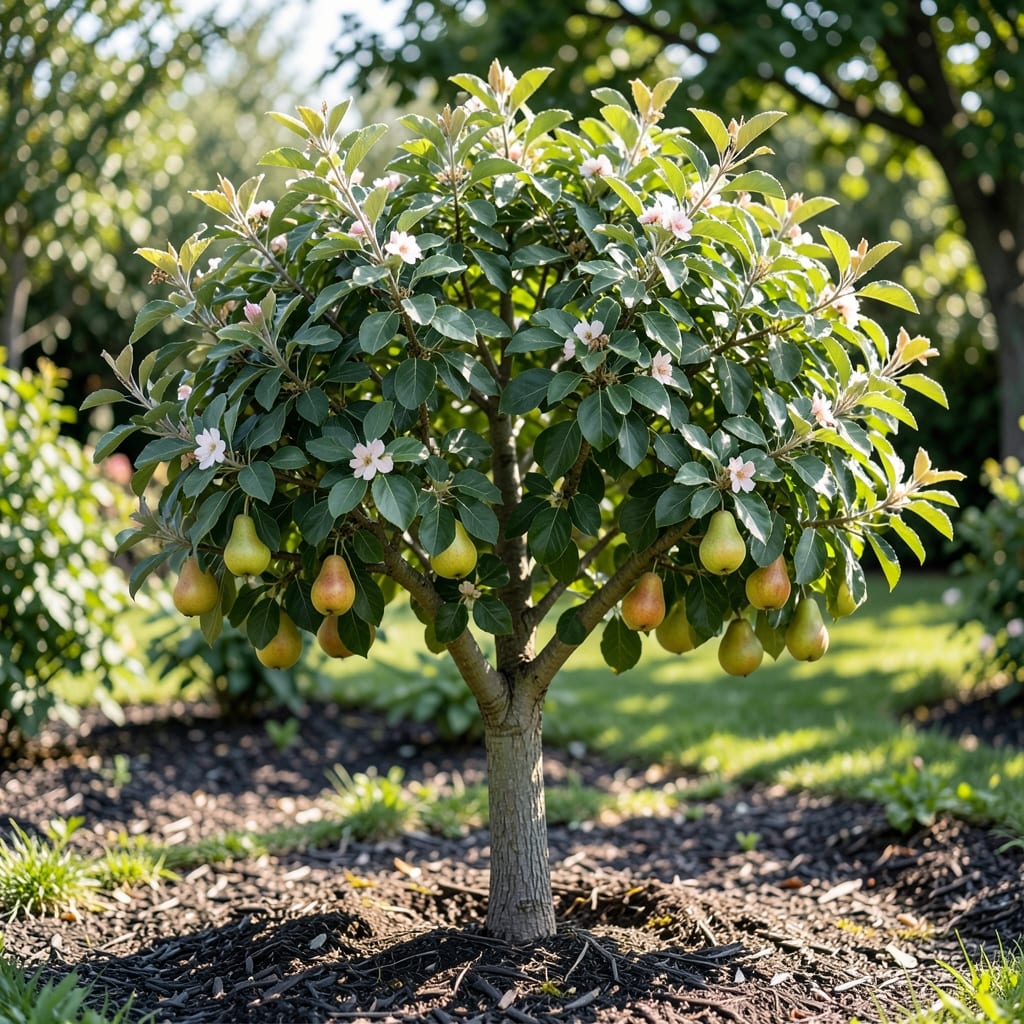
Wondering how tall Asian pear trees grow before you commit to planting one? The answer might surprise you—these trees can stretch up to 30 feet tall, turning your backyard into a towering orchard or leaving you scrambling for a ladder to pick fruit. But don’t let that scare you off: with the right variety and pruning know-how, you can keep your Pyrus pyrifolia 🍐 at a manageable height, whether you’re working with a sprawling garden or a cozy urban space.
Not all Asian pear trees are created equal. Some varieties, like the classic 'Chojuro', grow aggressively, while others—such as dwarf hybrids—stay under 10 feet, making them perfect for containers or small yards. The key is understanding how each type matures and how to shape it early on. I’ll break down the height ranges, growth habits, and pruning secrets so you can choose (and control) the perfect tree for your space.
If you’re dreaming of a low-maintenance harvest, you’ll want to know when to prune, how spacing affects growth, and whether your climate plays a role in how tall your tree becomes. Spoiler: pruning in late winter can make a huge difference in keeping your tree in check without sacrificing those sweet, crisp pears. Let’s dive into the details so you can plan your orchard—or your balcony garden—with confidence.
Whether you’re a seasoned gardener or a first-time tree planter, getting the height right is half the battle. By the end of this guide, you’ll know exactly which varieties fit your space, how to manage their growth, and even whether a dwarf option is worth the trade-offs. Ready to turn your yard into a pear paradise? Let’s get started.

Asian pear tree height by variety: mature size chart and growth habits
When planning your orchard or small-space garden, understanding how tall Asian pear trees grow is essential. These trees, native to East Asia, come in a stunning range of sizes—from towering giants to compact varieties perfect for urban spaces. The mature height of an Asian pear tree depends heavily on its variety, with some reaching 30 feet while others stay under 10 feet. Let’s break down the specifics so you can choose the perfect fit for your garden.
Most standard Asian pear varieties, like the popular Chojuro and Niitaka, grow to 20-30 feet tall at maturity. These are the classic orchard trees you’d see in rural settings, requiring ample space and regular pruning to manage their size. If you’re working with limited space, however, dwarf or semi-dwarf varieties can be a game-changer. Varieties like Hosui and Kieffer offer a more manageable height while still delivering delicious fruit.
The growth rate of Asian pear trees is another critical factor. In their first year, you can expect saplings to reach 2-4 feet. By year two, they’ll surge to 6-10 feet, and within three years, they’ll often hit 10-15 feet. This rapid growth means careful planning is key—especially if you’re planting near structures, fences, or power lines. Always consider the mature height and spread of the tree when selecting a location.
Here’s a quick look at how different varieties compare in terms of height and growth habits:
| Variety | Mature Height | Growth Rate (First 3 Years) | Ideal Spacing | Best For |
|---|---|---|---|---|
| Chojuro | 25-30 ft | 10-15 ft in 3 years | 20-25 ft apart | Large orchards |
| Niitaka | 20-25 ft | 8-12 ft in 3 years | 18-22 ft apart | Rural gardens |
| Hosui | 12-15 ft | 6-8 ft in 3 years | 12-15 ft apart | Small gardens |
| Kieffer | 8-12 ft | 4-6 ft in 3 years | 8-10 ft apart | Containers, urban yards |
| Seigenthaler | 10-12 ft | 5-7 ft in 3 years | 10-12 ft apart | Small orchards |
If you’re growing Asian pears in USDA Zones 5-9, you’ll find that most varieties thrive, but their height and growth rate can be influenced by climate conditions. In warmer zones, trees may grow slightly faster, while cooler climates might slow their ascent. Always check the recommended spacing for your chosen variety to ensure proper airflow and sunlight penetration, which are critical for fruit production and disease prevention.
For those with limited space, dwarf varieties like Kieffer or Seigenthaler are excellent choices. These trees stay under 12 feet tall, making them ideal for containers or small backyards. Even in compact spaces, they produce abundant fruit, proving that size doesn’t limit productivity. Just ensure they’re planted in a location with full sun exposure and well-draining soil to support their growth.
When selecting a variety, also consider the fruit size and harvest time, as these can vary. For example, Chojuro produces large, sweet pears, while Hosui offers smaller but prolific fruit. Matching the tree’s height to your garden’s layout and your harvesting goals will help you create a harmonious and productive space.
Proper pruning techniques can also influence how tall your Asian pear tree grows. Regular pruning not only controls height but also improves fruit quality and tree health. We’ll dive deeper into pruning strategies in the next section, but for now
Pruning Asian pear trees for height control: best practices and timing
Pruning is the secret weapon for controlling how tall your Asian pear tree grows. Without it, even dwarf varieties can outgrow their space, while standard trees may become unmanageable. The key is timing and technique—pruning at the right moments can reduce height by 30-50% while boosting fruit production. For most varieties, the best time to prune is late winter or early spring, just before buds swell but before active growth begins. This encourages a strong, balanced structure and prevents disease by removing dead or crossing branches.
If you’re dealing with a fast-growing variety like Chojuro or Niitaka, summer pruning can also help. Light pruning after harvest (around July-August) promotes air circulation and reduces the risk of fungal issues. However, avoid heavy pruning in summer, as it stresses the tree and can stunt growth. Focus on thinning cuts—removing entire branches back to their origin—to open up the canopy and improve sunlight exposure for lower branches.
Here’s a critical warning about pruning mistakes that can backfire:
Pruning at the wrong time (like fall or winter) can leave wounds vulnerable to disease. Over-pruning—removing more than 25% of the canopy in one session—stresses the tree and reduces next year’s fruit yield. Never prune during wet weather, as damp conditions spread bacterial infections like fire blight, a common issue in Asian pears.
For height control, use heading cuts—shortening the tips of branches—to limit vertical growth. Aim to prune just above a bud or lateral branch at a 45-degree angle to encourage outward growth. In younger trees (under 3 years old), focus on shaping the central leader to prevent a single dominant trunk from shooting upward uncontrollably. Older trees may need scaffold branching to distribute weight and prevent breakage.
Tools matter too. Use sharp, sterilized pruners for small branches and a pruning saw for thicker limbs. Disinfect your tools with rubbing alcohol between cuts to prevent spreading disease. After pruning, seal larger wounds (over ½ inch thick) with pruning sealant to reduce sap loss and infection risk. This step is especially important for varieties prone to bleeding sap, like Hosui.
Don’t forget to clean up pruned debris immediately—leaving branches on the ground invites pests and fungal spores. For container-grown dwarf varieties, prune more aggressively to maintain their compact shape. Even Kieffer or Seigenthaler can sprawl if not pruned regularly. Aim to prune these varieties twice a year: once in late winter and again lightly after harvest to encourage bushier growth and more fruit clusters.
With consistent pruning, you can keep your Asian pear tree at an ideal height—whether that’s a towering orchard staple or a neatly trimmed container tree. The key is patience and precision: prune little and often rather than making drastic cuts all at once. Your tree—and your back—will thank you.