
Plants
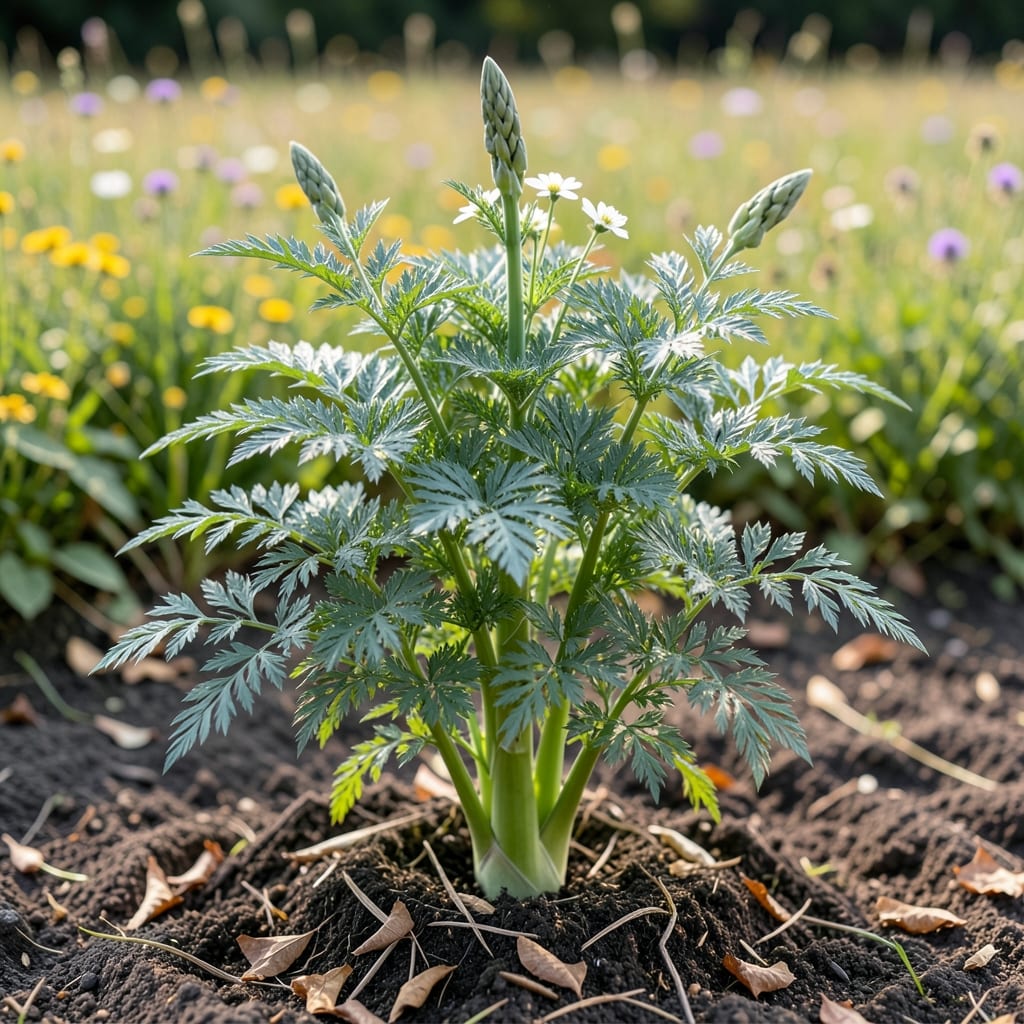
If you're planning your asparagus garden this spring, one of the first questions you'll need to answer is: how tall do these 🌱 asparagus plants actually grow? The answer isn't just about aesthetics—it directly impacts your garden layout, harvest strategy, and even how much space you'll need to avoid overcrowding.
Most mature asparagus plants reach heights between 4 to 5 feet, with some varieties stretching closer to 6 feet when given ideal growing conditions. But here's the catch: height isn't the only factor. The way these plants spread—both above and below ground—plays a huge role in how you should space them for maximum yield and airflow.
What you'll discover is that asparagus height varies dramatically depending on the variety you choose. Compact types like 'Pacific 2000' stay around 3 feet tall, making them perfect for small gardens, while traditional varieties like 'Mary Washington' can easily reach 5 feet or more. Even more surprising? Their root systems can spread just as wide as they grow tall, which is why proper spacing is non-negotiable.
In this guide, I'll break down exactly how tall different asparagus varieties grow, what factors influence their height, and how to plan your garden layout for both productivity and ease of maintenance. Let's get your asparagus garden off to the right start!

Mature height ranges of popular asparagus varieties compared
When planning your asparagus patch, knowing the mature height of your chosen variety is essential for proper spacing and yield. Most asparagus plants reach 4 to 5 feet tall at maturity, but some dwarf varieties stay as short as 2 to 3 feet. The height difference isn't just about aesthetics—it impacts how you design your garden layout and even how you harvest those prized spears. For example, a 5-foot-tall plant needs more vertical clearance than a compact 3-foot variety.
Asparagus plants also spread horizontally through their extensive root system, called a crown. This means you’ll need to account for 18 to 24 inches of space between plants, even if the above-ground foliage is shorter. The fern-like foliage can spread 3 to 4 feet wide, creating a lush, green canopy that thrives in full sun. Understanding these dimensions helps you avoid overcrowding, which can lead to poor air circulation and increased disease risk.
Here’s how the most popular asparagus varieties compare in terms of height and spread:
| Variety | Mature Height (ft) | Spread (ft) | Best For |
|---|---|---|---|
| Jersey Knight | 4-5 ft | 3-4 ft | Large gardens, high yield |
| Mary Washington | 4-5 ft | 3-4 ft | Traditional gardens, cold climates |
| Pacific 2000 | 3-4 ft | 2-3 ft | Small gardens, urban plots |
| Purple Passion | 3-4 ft | 2-3 ft | Ornamental value, small spaces |
| Green Giant | 5 ft | 4 ft | Commercial farms, large plots |
The Jersey Knight and Mary Washington varieties are classic choices for home gardens, reaching a mature height of 4 to 5 feet. These varieties are known for their robust growth and high yield, making them ideal for gardeners with ample space. If you're working with limited square footage, consider Pacific 2000 or Purple Passion, which top out at 3 to 4 feet but still deliver a generous harvest. For commercial growers or those with large plots, Green Giant can reach up to 5 feet tall, offering even greater productivity.
Another factor to consider is the crown size, which determines how deep you’ll need to plant the roots. Most asparagus crowns require 6 to 8 inches of soil depth to establish properly. If your soil is shallow or rocky, opt for dwarf varieties like Pacific 2000, which tolerate shallower root zones better than their taller counterparts. This adaptability makes them a smart choice for containers or raised beds with limited depth.
When selecting varieties, also think about your harvest goals. Taller asparagus plants like Green Giant produce more spears but require more space and maintenance. In contrast, dwarf varieties like Purple Passion are perfect for adding a pop of color to your garden while still providing a steady supply of spears. Balancing height, spread, and yield ensures you’ll have a productive asparagus patch that fits seamlessly into your garden design.
Proper spacing is critical to prevent competition between plants. For standard varieties like Jersey Knight, space plants 18 inches apart in rows that are 4 feet apart. For dwarf varieties, you can reduce the spacing to 12 inches apart in rows that are 3 feet apart. This not only maximizes your harvest but also improves airflow, reducing the risk of fungal diseases that thrive in crowded, humid conditions.
If you’re growing asparagus in containers, choose dwarf varieties and ensure your pots are at least 12 inches deep and 18 inches wide to accommodate the root system. Containers also allow you to control soil quality and drainage, which are key factors in managing plant height and overall health. With the right variety and setup, you can enjoy fresh asparagus spears without sacrificing garden space or yield.
Remember, asparagus plants take 2 to 3 years to reach full maturity, so patience is key. During this time, focus on providing consistent care—full sun, well-draining soil, and regular watering—to encourage healthy growth. Once established, your asparagus patch will reward you with years of harvests, provided you’ve given it the space it needs to thrive.
Mature height ranges of popular asparagus varieties compared
Asparagus plants typically reach 4 to 5 feet tall at maturity, but the exact height depends heavily on the variety you choose. Some compact types stay as short as 2 to 3 feet, making them perfect for small gardens or containers, while traditional varieties can stretch up to 6 feet in ideal conditions. Understanding these differences helps you plan your garden layout for optimal harvest yields and airflow.
For example, the 'Jersey Knight' variety is a popular choice for home gardens, reaching 4 to 5 feet tall with a 3-foot-wide fern spread. Meanwhile, 'Mary Washington', a classic heirloom, can grow 5 to 6 feet tall and spread 4 feet wide, requiring more space. These variations aren’t just about aesthetics—they directly impact how many plants you can fit in a given area and how easily you can harvest and maintain them.
| Variety | Mature Height | Fern Spread | Best For |
|---|---|---|---|
| 'Pacific 2000' | 2–3 ft | 2 ft | Small gardens, containers |
| 'Jersey Knight' | 4–5 ft | 3 ft | Home gardens, high yields |
| 'Mary Washington' | 5–6 ft | 4 ft | Large plots, commercial farms |
| 'Purple Passion' | 3–4 ft | 2.5 ft | Ornamental gardens, small spaces |
If you're working with limited space, dwarf varieties like 'Pacific 2000' are game-changers. They mature at just 2 to 3 feet tall and produce high yields per square foot, making them ideal for urban gardens or raised beds. Even their fern foliage stays compact, reducing the risk of crowding and disease that can plague taller varieties in tight spaces.
For larger gardens or farms, taller varieties like 'Mary Washington' offer longer harvest windows and bigger spears, but they demand more room. Plan for at least 18 inches between plants in rows spaced 3 to 4 feet apart to give their extensive root systems and ferns room to thrive. Proper spacing also improves air circulation, reducing fungal risks like rust, which thrives in dense, humid conditions.
Another key factor is the crown size, which determines how deeply you need to plant and how much soil volume the roots require. Larger crowns, like those of 'Mary Washington', need 12 to 18 inches of soil depth to establish properly. Shallow planting can stunt growth and reduce yields, so always follow the variety-specific guidelines for depth and spacing.
Pro tip: Use mulch around the base of your asparagus plants to retain moisture and regulate soil temperature. This is especially important for taller varieties, which have deeper root systems that are more sensitive to temperature fluctuations and drought. A 2- to 3-inch layer of organic mulch, like straw or shredded leaves, can make a huge difference in maintaining consistent growth throughout the season.