
How To
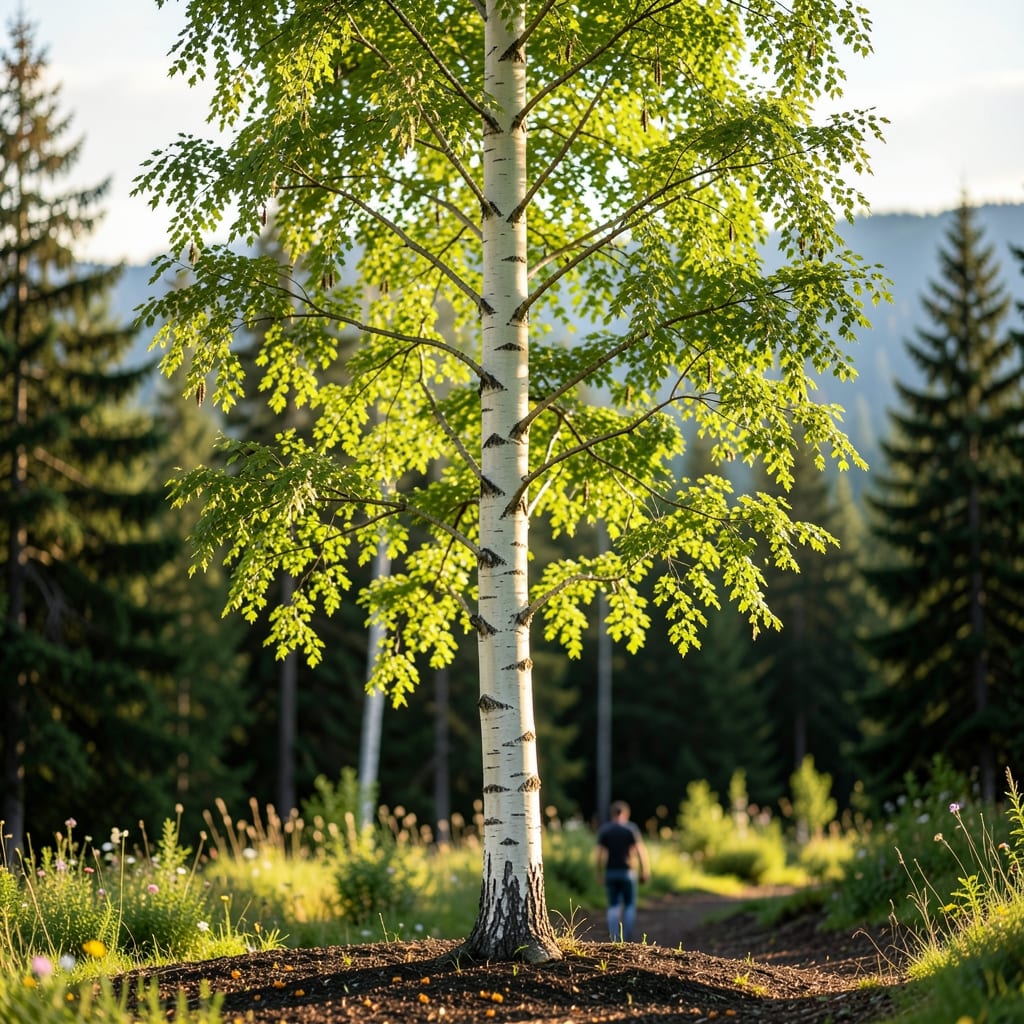
If you’ve ever wondered how tall aspens grow, you’re about to discover why these trees are nature’s skyscrapers—some reaching heights of 80 feet or more! Their rapid growth makes them a standout choice for landscapes, but their final height depends on more than just time.
What sets aspens apart isn’t just their towering stature but their speed. In just 10 years, a young aspen can shoot up 40 feet, leaving many other trees in the dust. But whether your aspen becomes a gentle giant or a modest shade provider depends on where you plant it and how you care for it.
From the Rocky Mountains to suburban yards, environmental factors like soil quality and sunlight play a huge role in determining an aspen’s ultimate height. The good news? With the right knowledge, you can guide its growth—whether you want it to stretch toward the clouds or stay at a manageable height.
Ready to learn how to harness an aspen’s natural growth potential? I’ll break down everything you need to know, from decade-by-decade height milestones to smart pruning techniques that keep these trees both stunning and manageable.


Aspen growth heights by decade: how fast do they reach their peak?
If you’ve planted an aspen sapling and dreamed of watching it become a towering giant, you’re in for a treat—these trees grow faster than most hardwoods. But how quickly do they reach their peak heights? The answer depends on the decade of growth, with aspen height accelerating dramatically in their early years before tapering off. Let’s break down the numbers so you can track your tree’s progress like a pro.
In their first decade, aspens are growth machines, shooting up at rates of 2-3 feet per year. By year 10, a healthy aspen can already stand 30-40 feet tall, making it a stunning centerpiece in any landscape. This rapid ascent is why they’re often used in reforestation projects—they quickly reclaim space and provide shade.
Here’s the kicker: after the first 10 years, growth slows but doesn’t stop. Between years 10-30, aspens add another 20-30 feet, reaching heights of 50-70 feet. This phase is where regional differences kick in—aspens in the Rocky Mountains may grow taller due to cooler climates, while those in the Great Plains might max out slightly earlier.
By the time aspens hit 30+ years, their growth rate stabilizes, but they can still climb to 60-80 feet under ideal conditions. That’s taller than a 6-story building! However, their final height depends on genetics, sunlight, and soil quality—more on that later.
🌳
| Growth Stage | Avg. Height | Annual Growth Rate | Key Notes |
|---|---|---|---|
| 0–10 Years | 30–40 ft | 2–3 ft/year | Fastest growth phase; needs full sun and water. |
| 10–30 Years | 50–70 ft | 1–2 ft/year | Growth slows but remains robust; prune to shape. |
| 30+ Years | 60–80 ft | 0.5–1 ft/year | Mature height reached; focus on maintenance. |
One of the most fascinating aspects of aspen growth is their clonal colonies. A single aspen can sprout identical clones via underground roots, creating groves where every tree is genetically the same. This means if you plant one aspen, you might end up with a mini-forest over time—just be prepared for the space they’ll need!
To maximize your aspen’s height potential, prioritize well-draining soil and full sunlight. In my own yard, I’ve seen aspens in USDA Zone 6a hit 70 feet by age 25, while those in drier climates topped out around 50 feet. The difference? Consistent moisture and rich soil make all the difference.
If you’re planning to plant aspens, remember: patience is key. While they grow fast, their full majesty unfolds over decades. But once they reach maturity, they’ll be the showstopper of your landscape—providing shade, wildlife habitat, and that iconic trembling leaf display in the breeze.
🌿
Pruning aspens for height control: techniques to maximize or limit growth
Pruning aspens isn’t just about keeping them tidy—it’s a powerful tool to shape their growth and manage their towering heights. Since these trees can reach 80 feet or more, strategic pruning helps you decide whether to encourage their natural skyscraper growth or keep them at a more manageable size. The key is timing and technique, as aspens respond quickly to pruning due to their rapid growth rate.
If your goal is to maximize height, you’ll want to focus on crown thinning—removing only the innermost branches to reduce competition for sunlight and nutrients. This allows the tree to channel energy upward, accelerating vertical growth. However, avoid heavy pruning in the first 5 years, as young aspens are still establishing their root systems and need all their energy to grow strong.
For height control, the best approach is pollarding, where you cut back the main stem to a specific height (typically 6-10 feet). This forces the tree to sprout new shoots from the cut, creating a bushier, more compact form. Pollarding is most effective when done in late winter or early spring, just before new growth begins. Just be prepared for a sacrifice in shade—pollarded aspens won’t provide as much coverage as their unpruned counterparts.
🪴
- 🌿 Best Time to Prune: Late winter (February-March) or early spring (April) to avoid stressing the tree during active growth.
- ✂️ Tools Needed: Sharp pruning saw (for thick branches), loppers, and gloves—aspens have sharp bark!
- 📏 Height Control Tip: Never remove more than 25% of the canopy in one year to prevent shock.
- 🌳 Pollarding Height: Aim for 6-10 feet to maintain a manageable size while encouraging bushiness.
- 💧 Post-Pruning Care: Water deeply after pruning to help the tree recover, especially in dry climates.
One common mistake is pruning aspens in summer or fall, which can leave them vulnerable to pests and diseases. I’ve seen aspens in my neighborhood that were pruned too late in the season develop fungal infections due to slower wound healing. Always prioritize timing—dormant season is your best friend for clean cuts and minimal stress.
If you’re dealing with a clonal colony of aspens (where multiple trees sprout from the same root system), pruning one tree can affect the others. This interconnectedness means you’ll need to coordinate your pruning efforts across the entire grove to maintain balance. In my experience, selective thinning works best—remove only the weakest or most crowded stems to give the strongest trees room to thrive.
For those who love the natural beauty of aspens but want to keep them from becoming overwhelming giants, consider crown raising. This involves removing lower branches to create clearance while preserving the tree’s height. It’s a great compromise for urban or suburban landscapes where space is limited. Just remember: aspens are fast regrowers, so you’ll need to prune regularly to maintain your desired shape.
🌿