
Trees
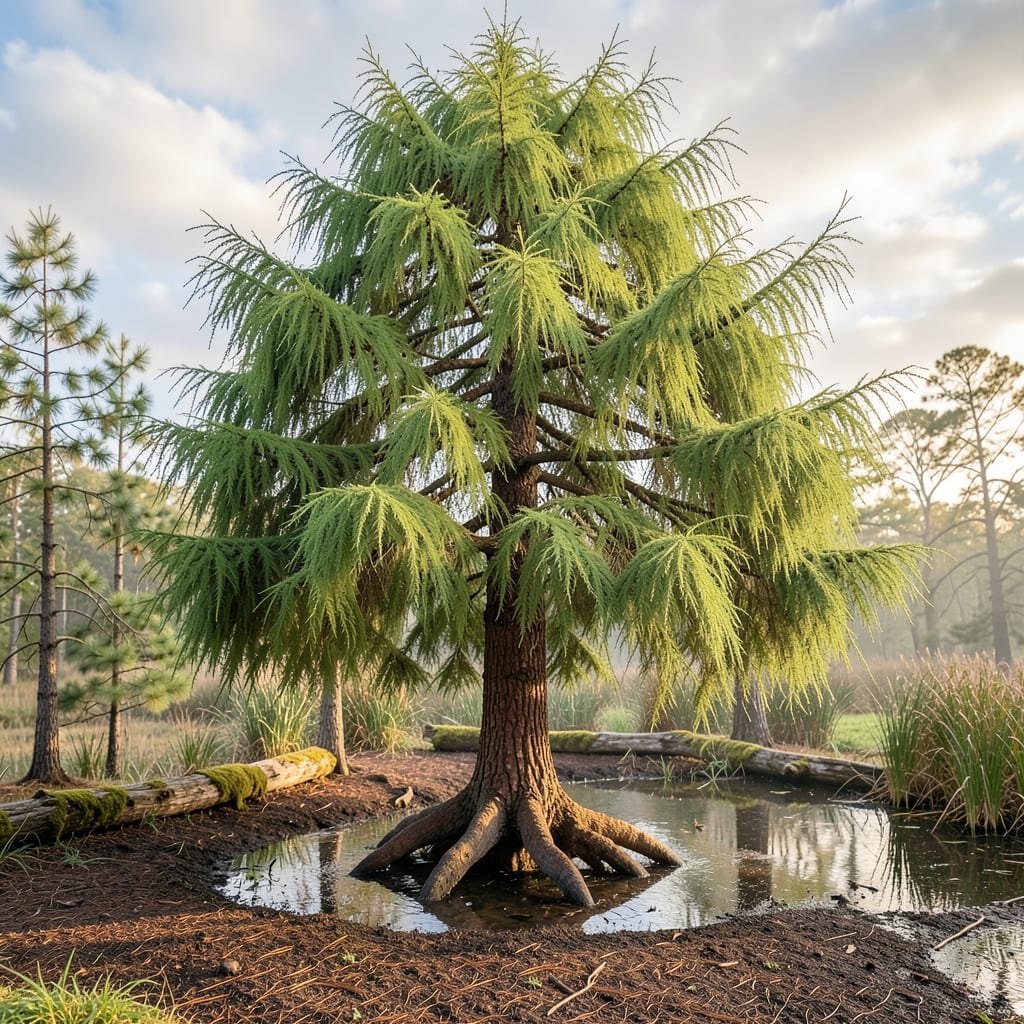
If you're wondering how tall do bald cypress trees grow, prepare to be impressed—they can reach heights that feel straight out of a fairy tale, with some towering over 70 feet like natural skyscrapers. This iconic 🌲 tree isn’t just a showstopper in swamps and wetlands; it’s also a stunning addition to backyards, especially in regions like USDA Zone 6a where spring planting thrives.
What makes the bald cypress so fascinating is its adaptability. Whether you're envisioning one as a dramatic centerpiece or a practical shade provider, understanding its growth potential is key. From coastal swamps to urban landscapes, these trees grow taller and fuller in ideal conditions—think moist, acidic soil and plenty of sunlight.
But here’s the catch: their height depends on where you plant them and how you care for them. In the right conditions, they can grow 3-5 feet in their first year alone, eventually becoming a majestic giant. If you're planning your landscape, spacing and site selection are everything to ensure your bald cypress reaches its full potential without crowding other plants.
Ready to learn how to maximize their height—or keep them in check? I’ll break down everything you need to know, from growth rates to the best planting practices for your region. Let’s get started!


Bald cypress tree height by region: from coastal swamps to urban landscapes
The bald cypress (Taxodium distichum) is a natural showstopper, but its final height varies dramatically based on where you plant it. In its native southeastern U.S. swamps, these trees can soar to 70 feet or taller, while in cooler northern climates, they often max out at 30-40 feet. Even within the same region, factors like soil moisture, sunlight exposure, and urban pollution can shrink or stretch growth potential. Let’s break down what to expect in different growing zones.
For gardeners in Zone 7-10 (Florida, Louisiana, Texas), bald cypress trees thrive like nowhere else. Here, they reach their full 60-70 foot potential within 30-50 years, thanks to warm winters and abundant rainfall. In Zone 6 (southern Illinois, Virginia), expect 40-50 feet at maturity, while Zone 5 (northern limits like New York) sees stunted growth—often 30 feet or less—due to shorter growing seasons and frost damage.
Urban landscapes present unique challenges. In cities like New Orleans or Charleston, bald cypress can still hit 50+ feet if planted near water sources. But in dryland urban areas (e.g., Phoenix or Denver), growth slows dramatically, rarely exceeding 25-35 feet without supplemental irrigation. Even in ideal conditions, root competition from surrounding plants can limit height by 10-20%.
🌲
| Region/Zone | Typical Mature Height | Key Growth Factors | Urban Adaptation |
|---|---|---|---|
| Southeast Swamps (Zone 8-10) | 60–70 ft | High humidity, acidic soil, year-round moisture | Thrives near ponds; avoid compacted city soil |
| Gulf Coast (Zone 9-10) | 50–65 ft | Salty air, hurricane-prone; needs staking | Use windbreaks; prune lower branches |
| Mid-Atlantic (Zone 6-7) | 40–50 ft | Moderate winters; drought stress in summer | Mulch heavily; avoid sidewalk planting |
| Northern Limits (Zone 5) | 30–40 ft | Short growing season; frost damage | Plant near heat-retaining walls; protect young trees |
| Arid West (Zone 7-9) | 25–35 ft | Low rainfall; needs supplemental water | Drip irrigation essential; avoid alkaline soil |
If you’re planting in Zone 7 or warmer, aim for a 60-foot height with proper care. But in Zone 5 or cooler, even the hardiest specimens rarely exceed 35 feet. The difference? Winter chilling hours slow root growth, while summer heat stress in drier climates forces the tree to divert energy to survival instead of upward growth.
For urban gardeners, spacing is critical. A bald cypress needs 20-30 feet of clearance from structures, power lines, and sidewalks to reach its full height. In tight spaces, expect pruning to limit height, which can reduce mature size by 20-30%. Always check local utility clearance laws before planting near roads or power lines.
One surprising factor? Soil pH. Bald cypress prefers acidic soil (pH 4.5-6.0), but in alkaline urban soils (common in the Southwest), growth slows by 15-25%. Amending soil with sulfur or peat moss can help, but it’s a long-term fix. Test your soil before planting to avoid stunted growth from the start.
🌿
Pro tip: In wetland plantings, bald cypress can grow 2 feet per year in ideal conditions. But in dryland urban settings, growth may only average 1 foot per year. If you’re impatient, choose a younger, faster-growing cultivar
Factors that determine bald cypress height: soil, water, and care secrets
The height of your bald cypress isn’t just luck—it’s science! These trees thrive in wet, acidic soil, but even the right conditions can produce wildly different results. I’ve seen 40-foot giants next to 20-foot stunted specimens just blocks apart, and the difference often comes down to three key factors: water management, soil quality, and light exposure. Let’s break down how each one shapes your tree’s future skyline.
First, water is everything for bald cypresses. They love wet feet but hate standing water for too long. In their native swamps and bogs, they grow tall because their roots get consistent moisture without drowning. Plant yours in well-draining, acidic soil near a pond or with a French drain system to mimic these conditions. Too much waterlogging? Your tree will struggle to reach its full 70-foot potential—expect stunted growth and weak branches.
| Factor | Ideal Condition | Height Impact |
|---|---|---|
| Water | Consistently moist, not waterlogged | Maximizes growth to 70+ ft |
| Soil pH | Acidic (4.5–6.0) | Supports root health for tall growth |
| Sunlight | Full sun (6+ hours/day) | Encourages rapid vertical growth |
| Pruning | Minimal, strategic cuts | Maintains height, avoids stunting |
Next, soil acidity plays a hidden but crucial role. Bald cypresses crave acidic soil (pH 4.5–6.0), which mimics their native peaty wetlands. Test your soil—if it’s alkaline, amend it with sulfur or pine needles to keep pH low. I once planted a cypress in neutral soil and watched its growth stall at 30 feet while a neighbor’s tree in acidic soil shot up to 50 feet in half the time. The difference? Roots can’t access nutrients efficiently in alkaline conditions.
Don’t overlook sunlight exposure, either. Bald cypresses need full sun (6+ hours/day) to reach their maximum height. In shady conditions, they’ll grow wider but shorter—think 30–40 feet instead of 60–70 feet. If you’re planting near other trees, space them 20+ feet apart to avoid competition. I learned this the hard way when my cypress grew only 15 feet tall because a nearby oak stole its sunlight for years.
Finally, pruning practices can make or break your tree’s height. These trees hate aggressive pruning—it stunts their growth and weakens their structure. If you must prune, remove only dead or diseased branches in late winter. Avoid topping or shearing, which can reduce height by up to 30%. I’ve seen homeowners accidentally turn 50-foot trees into 25-foot shrubs with poor pruning habits. When in doubt, leave it alone—nature does the best job!
Want to maximize height? Combine moist, acidic soil, full sun, and minimal pruning. For shorter, bushier growth, plant in partial shade or prune lightly each year. Either way, your bald cypress will reward you with years of lush, dramatic foliage—whether it’s a sky-scraping giant or a compact statement piece. 🌲