
Size
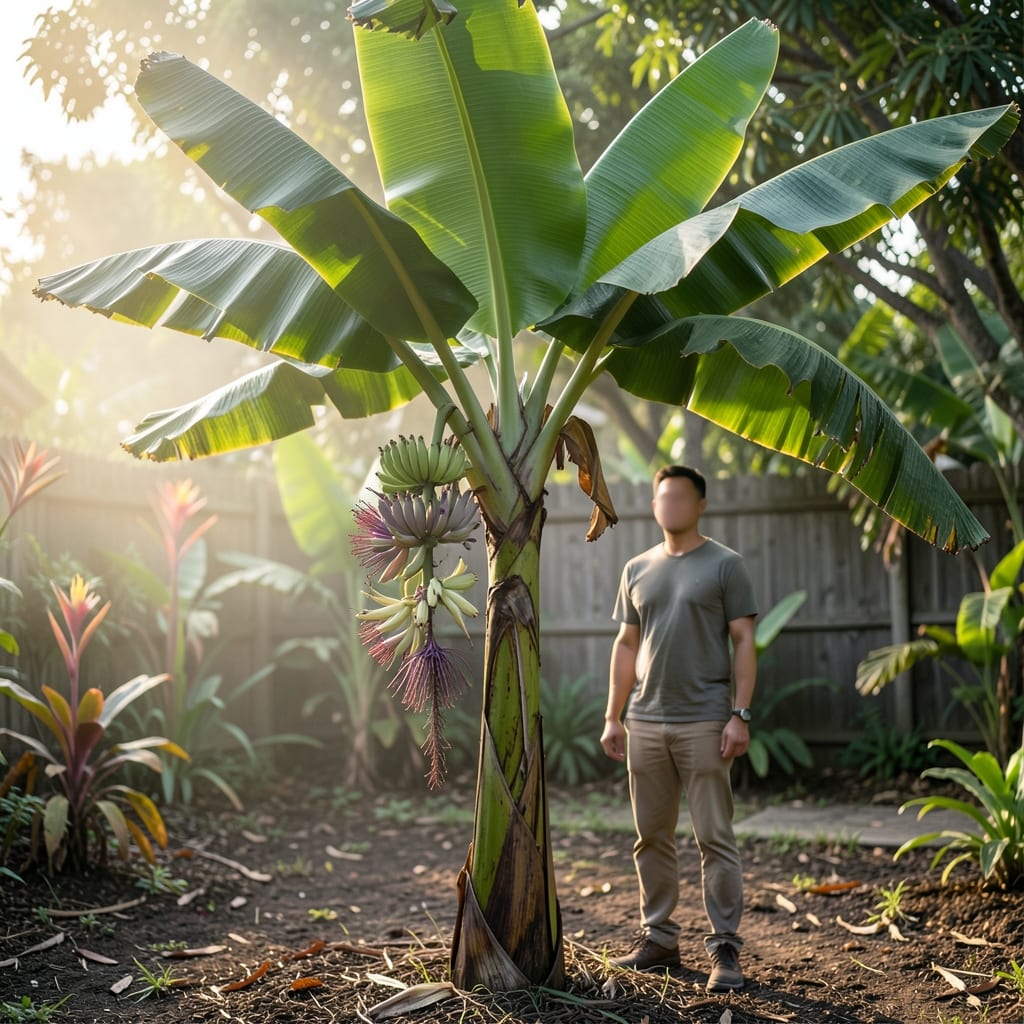
If you've ever wondered just how tall a banana plant can grow, the answer might surprise you—especially if you're picturing a tiny pot on your patio. These tropical giants can reach heights of 15 to 25 feet outdoors, towering over most backyard plants like a 🍌 skyscraper!
But here's the thing: not all banana varieties grow to the same height. Some, like the popular Dwarf Cavendish, stay more manageable at 10 to 15 feet, while others, such as the Red Dacca, can shoot up to 25 feet or more. The height of your banana plant depends on its variety, growing conditions, and whether it's planted in the ground or a container.
Whether you're planning to grow bananas in your tropical garden or just want to add a fun, edible plant to your outdoor space, understanding these height differences is key. You'll learn how to choose the right variety for your space, what to expect as your plant grows, and even how to manage its height if you're working with limited room.
Let’s break down the exact heights by variety, growth stages, and practical tips for keeping your banana plant happy—no matter how tall it dreams of growing.


Banana plant height by variety: from dwarf to giant species
When it comes to banana plant heights, one size definitely does not fit all. The variety you choose can make all the difference between a 10-foot tropical accent and a 25-foot backyard giant. For example, the Dwarf Cavendish, a favorite for home gardens, typically reaches 10 to 15 feet at maturity, making it perfect for smaller spaces or containers.
On the other end of the spectrum, varieties like the Red Dacca or Ice Cream banana can tower over 20 feet, requiring ample ground space and careful planning. Even within popular types, heights can vary based on growing conditions—soil quality, sunlight, and water availability all play a role in how tall your banana plant becomes.
If you're growing bananas in a container, even the tallest varieties will be limited to their pot size, rarely exceeding 6 to 10 feet. This makes container growing a great option for urban gardeners or those with limited outdoor space. Just remember, the root system needs room to grow too—so opt for a large pot (at least 20 gallons) if you're aiming for fruit production.
Here’s a quick comparison of some of the most popular banana varieties and their mature heights to help you choose the right one for your space:
| Variety | Mature Height (Outdoors) | Mature Height (Containers) | Best For |
|---|---|---|---|
| Dwarf Cavendish | 10–15 ft | 6–10 ft | Home gardens, containers |
| Lady Finger (Plantain) | 12–18 ft | 8–12 ft | Tropical climates, cooking |
| Red Dacca | 20–25 ft | Not recommended | Large gardens, tropical regions |
| Ice Cream Banana | 15–20 ft | 10–15 ft (large pots) | Edible flowers, large containers |
| Blue Java | 12–16 ft | 8–12 ft | Cold-hardy varieties, containers |
The Dwarf Cavendish is often the top pick for beginners because its manageable height makes it easier to care for, even in smaller spaces. Meanwhile, varieties like the Red Dacca are better suited for large tropical gardens where they can reach their full potential. If you're growing bananas in containers, focus on dwarf or semi-dwarf varieties to avoid overcrowding and ensure your plant thrives.
Another factor to consider is the fruiting height. Most banana varieties produce their fruit clusters near the top of the plant, often at 50% of their mature height. For example, a 15-foot Dwarf Cavendish will have its bananas growing around the 7- to 8-foot mark. This is important to keep in mind if you're harvesting or even just admiring your plant—you’ll need a sturdy ladder or stool!
Pro tip: If you're growing bananas in a greenhouse or indoor setting, even the tallest varieties will be limited by their environment. With proper care, a Red Dacca might only reach 10 to 12 feet indoors, but it will still produce fruit—just on a smaller scale. This makes indoor growing a great way to enjoy bananas year-round, even in cooler climates.
No matter which variety you choose, remember that height isn’t the only factor in successful banana growing. Soil quality, sunlight exposure, and consistent watering all play critical roles in determining how well your plant grows. But knowing the height range upfront will help you plan your garden layout and avoid any surprises down the line.
Ready to pick your perfect banana variety? Once you’ve chosen the right one for your space, the next step is understanding how your plant will grow over time—from a tiny sprout to a towering tropical beauty. Let’s dive into the growth stages and height milestones next.
Banana plant growth stages and height milestones
Watching a banana plant grow is like witnessing a living skyscraper unfold before your eyes. From a tiny sprout to a towering 20-foot giant, each stage brings dramatic height changes. Understanding these milestones helps you anticipate space needs, care requirements, and even harvest timing. Let’s walk through the key phases of banana plant growth and the height jumps you can expect along the way.
The journey begins with the seedling stage, where your banana plant starts as a small, delicate shoot. In the first 3 to 6 months, you’ll see rapid leaf development, with the plant reaching heights of 1 to 3 feet. This is when roots establish themselves, and proper watering and sunlight are critical to support this early growth spurt.
Next comes the pseudostem formation, where the iconic "trunk" of the banana plant begins to take shape. During this phase—typically between 6 and 12 months—your plant will shoot up dramatically, often adding 5 to 10 feet in height. This is when you’ll notice the characteristic layered appearance of the pseudostem, which is actually a tightly packed cluster of leaf sheaths.
- 0–6 months: Seedling stage – 1–3 ft tall, focus on root development.
- 6–12 months: Pseudostem forms – 5–10 ft growth spurt, needs staking.
- 12–18 months: Flowering begins – 10–15 ft, prepare for fruit production.
- 18–24 months: Fruiting stage – 15–25 ft, harvest-ready bananas appear.
Around 12 to 18 months, your banana plant will enter the flowering stage, marked by the emergence of a long, dramatic flower spike. This is another height milestone, with the plant often reaching 10 to 15 feet by this point. The flower spike itself can add several feet to the plant’s height, and this is when you’ll start seeing the first signs of banana bunches forming.
Finally, the fruiting stage (typically 18 to 24 months after planting) is when your banana plant reaches its full height potential. Depending on the variety, this could mean a mature height of 15 to 25 feet. The bananas will grow near the top of the plant, often at about 50% of the total height. For example, a 20-foot Red Dacca will have its fruit cluster around the 10-foot mark.
One often-overlooked detail is that banana plants are not perennial in most climates—they produce fruit once and then die back after harvesting. However, they often send up suckers (offspring plants) from the base, which can continue the cycle. These suckers will follow the same growth stages, giving you a continuous supply of banana plants if you’re growing in a suitable climate.
To keep your banana plant on track for these height milestones, provide consistent moisture, rich soil, and protection from strong winds. If you're growing in containers, monitor root growth and upgrade pot sizes as needed to accommodate the plant’s expanding root system. With the right care, you’ll be rewarded with a thriving banana plant that reaches its full height potential—and delicious fruit to enjoy along the way!