
Trees
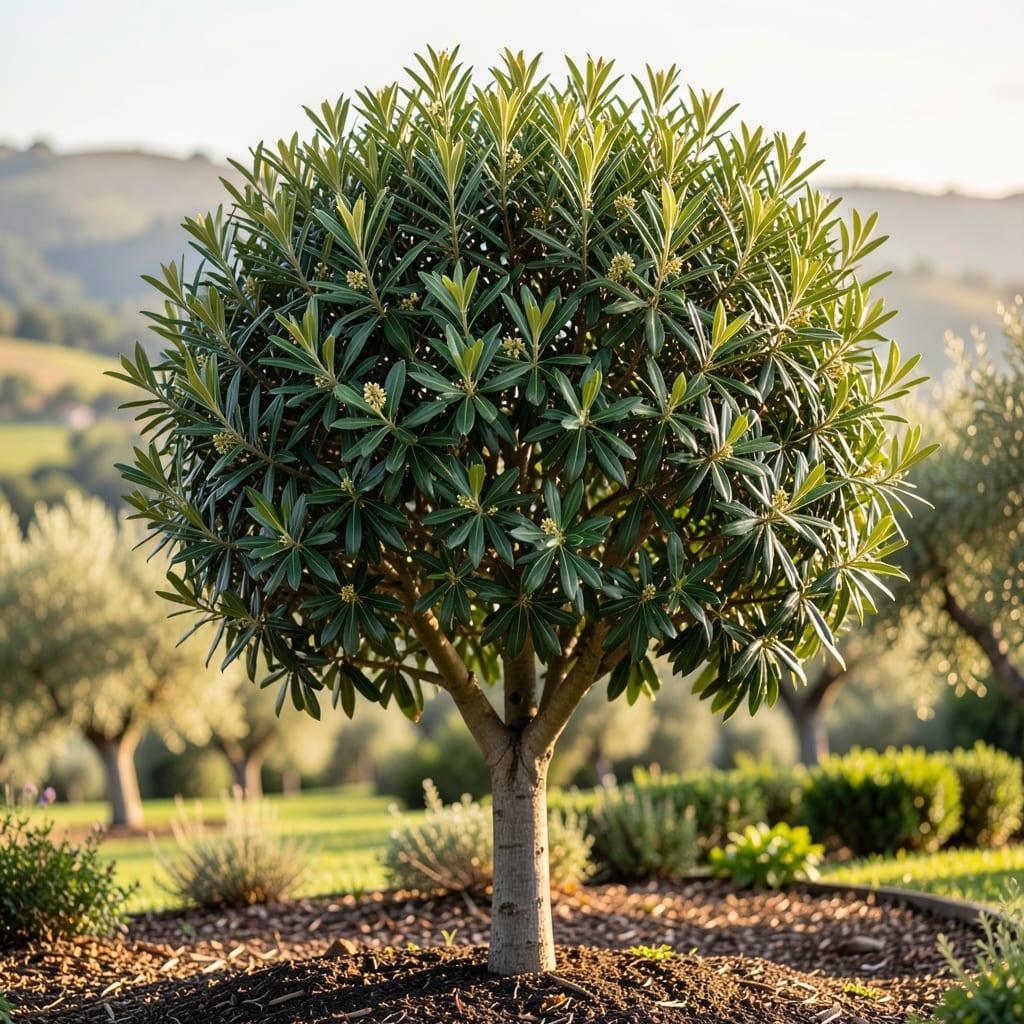
Bay tree height by species: from dwarf varieties to towering giants
Choosing the right bay tree for your space starts with understanding its mature height. The sweet bay (Laurus nobilis), the most common culinary variety, typically reaches 10–20 feet tall in gardens but can soar to 40 feet in ideal conditions. Meanwhile, the California bay laurel (Umbellularia californica) often grows 30–50 feet tall, making it a forest giant rather than a kitchen companion.
Your bay tree’s height depends on its species, climate, and growing conditions. In USDA Zones 7–10, sweet bay thrives with full sun exposure and well-draining soil, while cooler climates may stunt its growth. If you’re dreaming of a compact bay tree for containers, dwarf varieties like ‘Angustifolia’ stay under 8 feet tall, perfect for patios or indoor growing.
Here’s how bay tree height breaks down by species, including growth rates and ideal climates to help you plan your garden layout:
| Species | Mature Height | Growth Rate | Ideal Climate | Notes |
|---|---|---|---|---|
| Sweet Bay (Laurus nobilis) | 10–20 ft (40 ft max) | 1–2 ft/year | Zones 7–10 | Most common culinary variety; prune to control height. |
| California Bay Laurel (Umbellularia californica) | 30–50 ft | 2–3 ft/year | Zones 8–10 | Native to California; drought-tolerant once established. |
| Dwarf Sweet Bay (Laurus nobilis ‘Angustifolia’) | 6–8 ft | 6–12 inches/year | Zones 7–10 | Ideal for containers; narrow, upright growth. |
| Arizona Bay Laurel (Lindera canbyi) | 10–15 ft | 1 ft/year | Zones 7–10 | Fragrant leaves; tolerates dry soils. |
If you’re growing bay trees in containers, dwarf varieties are your best bet. Even then, pot size matters—a 5-gallon container may limit a sweet bay to 6–8 feet, while a 15-gallon pot could support 10–12 feet of growth. Always use well-draining soil and prune regularly to prevent root-bound stress, which stunts height and health.
For outdoor gardens, standard sweet bay trees can become small trees with proper spacing. Plant them 10–15 feet apart if you want a hedge-like effect, or 20+ feet apart for a single specimen. In cooler climates (Zones 6–7), expect slower growth—2–3 feet per year—compared to 4–5 feet per year in warmer Zones 9–10.
Bay trees grown from seed may take 3–5 years to reach 6 feet, while container-grown nursery plants start at 2–3 feet and grow faster. If you’re impatient, layering or grafting can speed up propagation, but height control still relies on pruning timing and technique. For example, late winter pruning encourages bushier growth, while summer pruning promotes taller, leggier stems.
One common mistake is assuming all bay trees grow the same. A California bay laurel in your backyard could outgrow your sweet bay by 20 feet if left unchecked. Always check the species label when buying nursery plants, and ask about mature height—some sellers understate growth potential. For indoor bay trees, expect slower growth due to limited light, but supplemental grow lights can help maintain compact sizes of 4–6 feet over years.
Pro tip: If you love the aromatic leaves but hate the height, consider ‘Golden Bay’ (Laurus nobilis ‘Aureovariegata’), a variegated variety that stays 8–10 feet tall and adds visual interest to gardens. Its golden-yellow leaves contrast beautifully with standard green foliage while keeping the culinary benefits intact.
🌿
How pruning affects bay tree height: techniques for controlling growth
Pruning is the secret weapon for keeping your bay tree at your desired height—whether you want a kitchen countertop companion or a neatly trimmed hedge. Without regular pruning, even dwarf varieties can outgrow their space, while unchecked standard bay trees can reach 40 feet tall in ideal conditions. The key is timing, technique, and knowing when to stop.
For height control, prune in late winter or early spring before new growth begins. This encourages bushier growth rather than vertical elongation. Use sharp, clean pruners to make cuts just above a leaf node or bud, which promotes healthier regrowth. Avoid cutting into old wood, as bay trees are slow to recover from severe pruning.
If you're growing a container bay tree, prune more frequently—every 4-6 weeks—to maintain compact size. Focus on removing overly long branches from the top to prevent top-heavy growth. For outdoor trees, limit pruning to 25% of the foliage per year to avoid stressing the plant.
Over-pruning can weaken your bay tree, making it vulnerable to pests and diseases. If you notice yellowing leaves or stunted growth after pruning, you may have gone too far. For standard varieties, focus on structural pruning to maintain a strong framework, while dwarf varieties benefit from more frequent, lighter trims to encourage dense foliage.
For indoor bay trees, prune lightly every 3-4 months to maintain shape and promote airflow. Avoid heavy pruning in fall or winter, as the tree enters dormancy and healing slows. With the right approach, you can keep your bay tree at any height—from a countertop-sized shrub to a well-managed small tree.
Remember, patience is key. Bay trees grow slowly, so gradual pruning yields the best results without shocking the plant. Start with small adjustments and observe how your tree responds before making drastic changes.