
How To
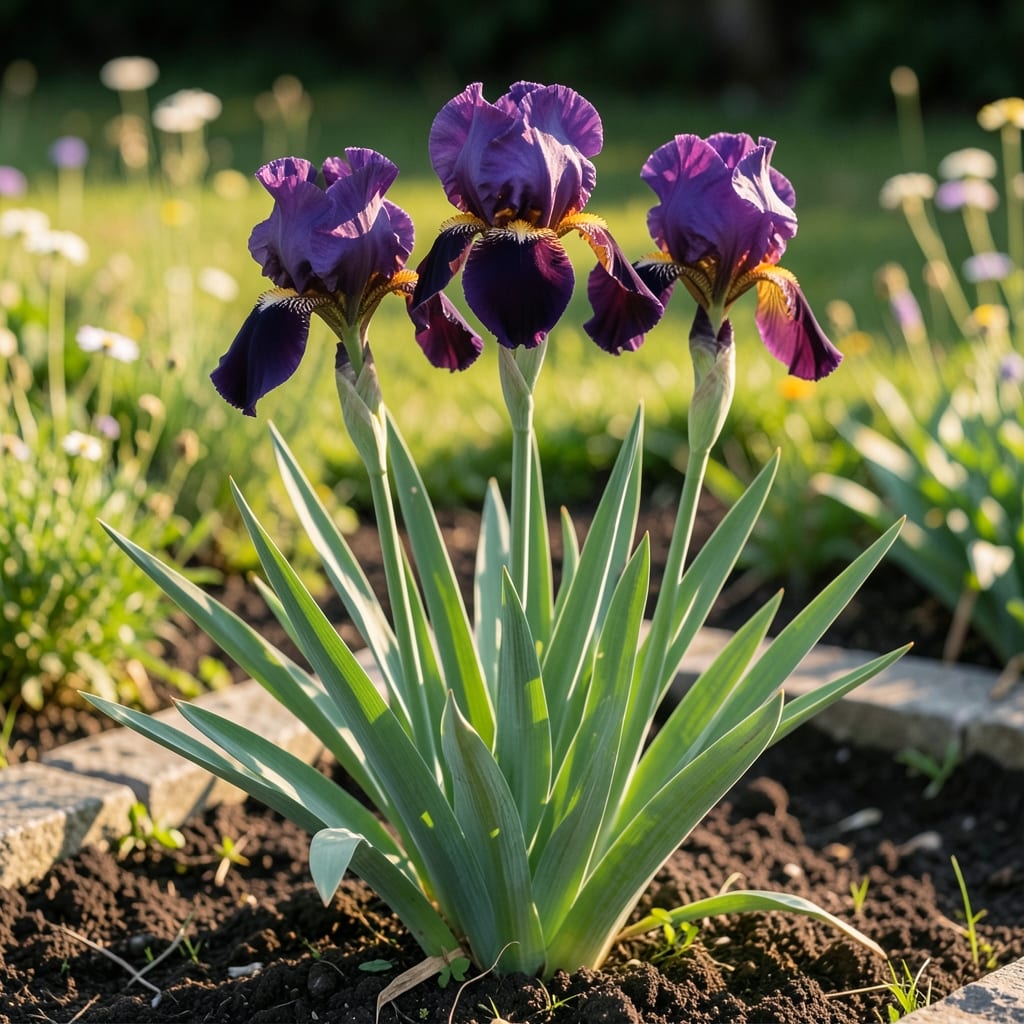
If you’ve ever wondered how tall do bearded irises grow, you’re not alone—this is the first question every gardener asks before planning their summer borders. These striking 🌸 beauties can reach anywhere from 2 to 4 feet, but their exact height depends on the variety, care, and even your local climate.
Whether you’re dreaming of dramatic tall bearded irises as a garden focal point or prefer the compact charm of dwarf varieties, knowing their mature size helps you space them perfectly. Too close, and they’ll compete for nutrients; too far apart, and your garden will look sparse. The key is understanding how each type grows over time—from 1-foot dwarf varieties to towering 4-foot standards.
Sunlight, soil, and division practices all play a role in how tall your irises will grow. In USDA Zone 6a, where many gardeners plant them in late summer, proper care can make the difference between stunted blooms and lush, vibrant 🌸 displays. Let’s break down the exact height ranges by variety so you can plan your garden with confidence.
Ready to transform your summer garden? I’ll show you how to choose the right iris height for your space, pair them with complementary plants, and ensure they thrive year after year. No guesswork—just beautiful, low-maintenance results.


Bearded iris height ranges by variety: tall vs. dwarf vs. miniature sizes
Bearded irises are one of the most versatile perennials for garden borders, but their exact height varies dramatically depending on the variety. Understanding these differences helps you plan spacing, companion plants, and even container gardens perfectly. Most gardeners assume all irises reach 3–4 feet, but dwarf and miniature varieties can stay as short as 12–18 inches, making them ideal for rock gardens or front-of-border displays.
To simplify planning, I’ve categorized bearded irises into four height groups: tall bearded, intermediate, dwarf, and miniature. Each group thrives in different garden zones, from woodland edges to sunny perennials beds. The key to maximizing their height potential? Full sun exposure and well-draining soil—two factors we’ll explore later in this guide.
| Variety Type | Height Range | Best For | Spacing Needs |
|---|---|---|---|
| Tall Bearded | 3–4 feet | Back of borders, focal points, cottage gardens | 18–24 inches apart |
| Intermediate | 2–3 feet | Mixed borders, woodland gardens, container edges | 12–18 inches apart |
| Dwarf | 12–18 inches | Rock gardens, front-of-border, alpine gardens | 8–12 inches apart |
| Miniature | 10–14 inches | Container gardens, fairy gardens, small spaces | 6–8 inches apart |
🌸 Pro Tip: Measure your garden beds before selecting varieties—tall irises need 2+ feet of clearance behind them!
If you’re designing a layered garden, tall bearded irises (like ‘Mister B’ or ‘Robert Nelson’) make stunning backdrops, while dwarf varieties (such as ‘Little Chief’) add color contrast near pathways. For example, pairing 3-foot ‘Blue Flag’ irises with 18-inch ferns creates a textural contrast that’s both visually striking and low-maintenance.
One common mistake I see is planting tall and dwarf irises too close together, which can make the shorter varieties disappear. To avoid this, allocate at least 12 inches of vertical space between height groups. For instance, place miniature irises in the front row of a border, dwarf varieties in the second row, and tall irises at the back—this creates a natural tiered effect that’s easy on the eyes.
Height isn’t the only factor to consider—bloom time also plays a role in garden design. Tall irises often bloom 2–3 weeks earlier than dwarf varieties, so staggering plantings can extend your seasonal color. For instance, plant early-blooming ‘Blue Boy’ (tall) alongside late-blooming ‘Little Chief’ (dwarf) to enjoy continuous blooms from May through July.
For container gardening, miniature and dwarf irises thrive in 12–18 inch pots, while intermediate varieties need 20+ inch containers to prevent root binding. Use a well-draining mix (like 60% potting soil + 30% perlite + 10% compost) to keep roots healthy. In containers, height is less of a concern—focus instead on color coordination and foliage texture.
If you’re new to growing irises, start with intermediate varieties like ‘Adoration’ or ‘Beacon Hill’—they’re forgiving, disease-resistant, and adapt well to USDA Zones 3–9. These 2–3 foot beauties strike the perfect balance between dramatic height and manageable size, making them ideal for first-time gardeners.
Remember, iris heights can vary by 6–12 inches depending on growing conditions. For example, shady spots or poor soil can stunt growth, while rich, sunny locations encourage full-size blooms. We’ll dive deeper into these factors in the next section—so stay tuned for tips on maximizing height and troubleshooting stunted growth!
🌿
How bearded iris height affects garden design: spacing, companion plants, and border placement
When planning your garden, bearded iris height isn’t just about aesthetics—it’s about creating harmony and functionality. Taller varieties (3-4 ft) make stunning backdrops, while dwarf types (1-2 ft) thrive in borders or rock gardens. Understanding these differences helps you avoid overcrowding or hiding smaller plants behind towering blooms.
Start by grouping irises by height. Place tall bearded irises (3-4 ft) along fences or at the back of mixed borders. Intermediate varieties (2-3 ft) work beautifully in mid-height beds, while dwarf and miniature irises (1-2 ft) shine in foreground plantings or containers. This layering creates depth and visual interest.
Spacing is critical—irises need room to breathe. Plant tall varieties 24 inches apart to prevent competition, while dwarf types can sit 12 inches apart. Overcrowding leads to smaller blooms and weaker stems, so follow these guidelines to maximize their dramatic impact.
- Tall (3-4 ft): 24" apart
- Intermediate (2-3 ft): 18" apart
- Dwarf (1-2 ft): 12" apart
- Ferns (e.g., Japanese painted fern) – Softens iris foliage
- Daylilies (Hemerocallis) – Blooms at same time
- Ornamental grasses (e.g., Miscanthus) – Adds texture
- Salvia or catmint – Deters pests naturally
- Use tall irises as focal points near pathways
- Plant dwarf varieties in front of shrubs for contrast
- Avoid placing any iris near trees (root competition)
For containers, choose dwarf or miniature varieties—they thrive in pots (12" diameter minimum) with well-draining soil. Pair them with trailing plants like lobelia to create a cascading effect. Remember, irises hate soggy roots, so add perlite to potting mixes.
One pro tip: Stake tall varieties if your garden gets windy. Use bamboo stakes or decorative metal rods hidden among foliage. This keeps blooms upright and prevents broken stems—especially important for standard-height irises (3-4 ft) that can flop in heavy rain.
Finally, rotate your iris plantings every 3-5 years to maintain their vigor. Dig up clumps in late summer, divide the rhizomes, and replant with fresh spacing. This rejuvenation trick keeps your garden looking sharp and intentional for decades.