
Size
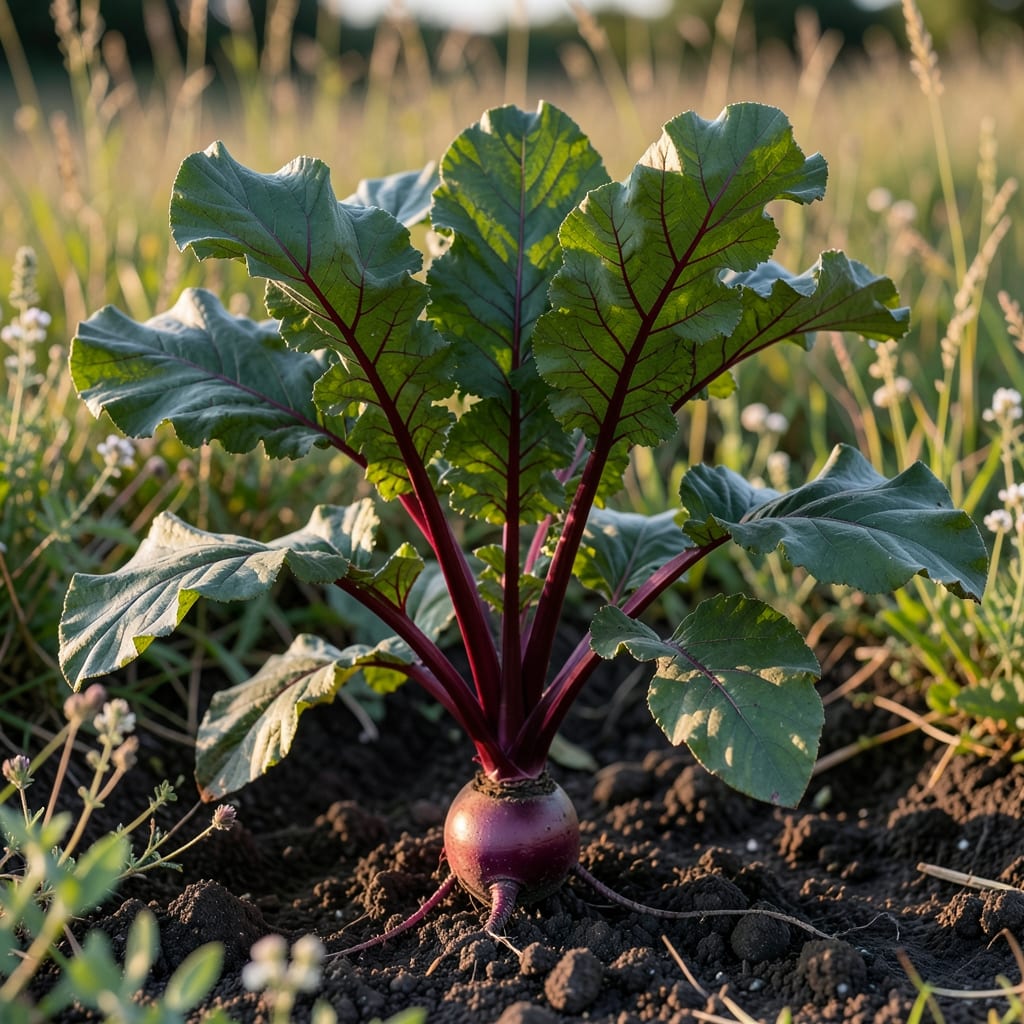
If you're wondering "how tall do beets grow", the answer might surprise you—because these earthy 🍠 roots aren’t just about their roots! While most varieties stay between 12 to 18 inches tall, their leafy greens can stretch even higher, especially in loose, nutrient-rich soil.
What you might not realize is that beet height varies wildly by variety—some stay compact at just 6 inches, while others reach nearly 2 feet. The key difference? Root-focused types (like Detroit Dark Red) prioritize plump bulbs, while leafy varieties (such as Swiss Chard beets) grow taller for harvestable greens.
Soil quality and spacing play a huge role too. Crowded plants compete for nutrients, stunting growth, while well-drained soil in USDA Zone 6a lets them thrive. Whether you’re growing for roots or leaves, timing your harvest based on height is the secret to perfect beets.
Ready to maximize your harvest? I’ll break down the best varieties for your space, when to thin seedlings, and how to tell when those 🍠 roots are ready to pull—without waiting too long. Let’s dig in!


Beet variety height ranges: from tiny to towering
Beets are a fascinating crop because their height varies dramatically between varieties, and it’s not just about the roots—foliage growth matters too. Most gardeners focus on root size, but the leafy greens can reach surprising heights, especially in loose, fertile soil. Understanding these differences helps you plan spacing, companion plants, and even whether to grow beets for their roots or greens.
On average, mature beet plants reach 12–18 inches tall, but some varieties stay as short as 6 inches while others can tower to 24 inches. The key difference lies in whether you’re growing beets for their edible roots (like Detroit Dark Red) or their nutrient-packed greens (like Baby Leaf varieties). Let’s break down the height ranges by popular types so you can choose what fits your garden best.
🌱 Beet Variety Height Summary
| Variety | Root Size | Foliage Height | Best For |
|---|---|---|---|
| Detroit Dark Red | 2–3 inches | 12–18 inches | Roots & greens |
| Chioggia (Striped) | 1.5–2.5 inches | 10–16 inches | Roots (ornamental) |
| Golden Beet | 2–3 inches | 14–20 inches | Roots & storage |
| Baby Leaf Mix | 0.5–1 inch | 6–12 inches | Greens only |
| Bull’s Blood | 3–4 inches | 18–24 inches | Greens & roots |
| Detroit Merlot | 2–3 inches | 12–16 inches | Roots (smooth skin) |
*Height measurements are from soil level to tallest foliage leaf.
Notice how Detroit Dark Red and Golden Beet varieties prioritize root growth, keeping their foliage slightly shorter (12–18 inches) to direct energy underground. In contrast, Bull’s Blood focuses on lush greens, often reaching 24 inches tall—ideal for cutting greens but less efficient for root production. If you’re growing beets in containers, stick to Baby Leaf varieties (6–12 inches) to avoid overcrowding.
The foliage height also affects how you space plants. For example, Detroit Dark Red needs 3–4 inches between seeds, while Bull’s Blood may require 6 inches to prevent shading. Overcrowding leads to stunted roots and leggy greens, so always thin seedlings to match the variety’s growth habit. Pro tip: Use companion plants like lettuce or radishes between taller beets to maximize space.
Another factor influencing height is soil fertility. Rich, nitrogen-heavy soil encourages lush foliage but can reduce root size. For baby beets (harvested at 1–2 inches), aim for 6–12 inches of foliage height—this signals the roots are tender and sweet. Meanwhile, mature beets with 18+ inches of greens often have tougher skins, so harvest them sooner if you prefer softer roots.
If you’re growing beets for their greens only, varieties like Fordhook Giant or Monarch can reach 20–24 inches and produce abundant leaves perfect for salads or cooking. These types are less common in home gardens but thrive in loose, well-drained soil. For root-focused gardens, Detroit Dark Red remains a top choice due to its balanced 12–18 inch height and reliable yield.
One common mistake is assuming all beets grow the same height, leading to poor spacing or missed harvest windows. For instance, planting Bull’s Blood too closely will result in shaded, spindly greens and underdeveloped roots. Always check the seed packet for mature height and adjust your garden layout accordingly. In my experience, interplanting beets with fast-growing crops like radishes (which you harvest early) gives taller varieties room to stretch without competition.
For container gardens, dwarf varieties like Little Ball (roots: 1–1.5 inches, foliage: 8–12 inches) are perfect. These stay compact but still produce sweet roots and edible greens. If you’re short on space, prioritize foliage height over root size—some gardeners even harvest the outer greens first to encourage smaller, tender roots to form.
Finally, remember that height isn’t everything. The best beets for your garden depend on your goals: roots, greens, or both. Tall varieties like Bull’s Blood are stunning in a cutting garden, while shorter types like Detroit Dark Red
Beet variety height ranges: from tiny to towering
Beets are fascinating because their height and growth habits vary dramatically between varieties. While most gardeners focus on root size, the foliage height plays a huge role in spacing and companion planting. Some varieties like Detroit Dark Red stay compact, while others like Chioggia can reach surprising heights—up to 18 inches in ideal conditions.
The key difference lies in whether you're growing beets for their roots or greens. Root-focused varieties prioritize compact growth, while leafy types like Fordhook Giant prioritize vertical expansion. Even within root varieties, height can differ by 6-12 inches depending on soil fertility and sunlight exposure.
🌱 Beet Variety Height Comparison
| Variety | Root Size | Foliage Height | Best For |
|---|---|---|---|
| Detroit Dark Red | 2-3 inches | 6-12 inches | Roots & greens |
| Chioggia (Striped) | 1.5-2.5 inches | 8-14 inches | Aesthetic roots |
| Golden | 2-4 inches | 10-16 inches | Sweet roots |
| Fordhook Giant | 3-4 inches | 12-18 inches | Greens & storage |
| Baby Beets (e.g., 'Little Ball') | 1-1.5 inches | 4-8 inches | Quick harvests |
Notice how Fordhook Giant prioritizes both size and height, making it ideal for gardeners who want both storage roots and abundant greens. Meanwhile, Detroit Dark Red stays more compact, perfect for intercropping with lettuce or radishes in small gardens. The foliage height also affects how quickly you'll need to thin seedlings—taller varieties like Fordhook may need thinning earlier to prevent overcrowding.
One surprising fact is that soil nutrients directly impact height. Beets grown in nitrogen-rich soil produce lush foliage but smaller roots, while phosphorus-heavy soil encourages root development at the expense of height. This is why balanced fertilizer (like 5-10-10) works best for even growth.
For container gardening, choose dwarf varieties like 'Little Ball' (max 8 inches tall) to avoid overcrowding. In-ground gardens can handle taller varieties, but remember: foliage height correlates with root depth. A beet with 16-inch leaves likely has a 6-inch root—so plan your harvest timing accordingly.
Pro tip: If you're growing beets for their greens only, varieties like Fordhook Giant will give you the most yield per square foot. But if you want both roots and greens, Detroit Dark Red offers the best balance of compact growth and productivity.