
Plants
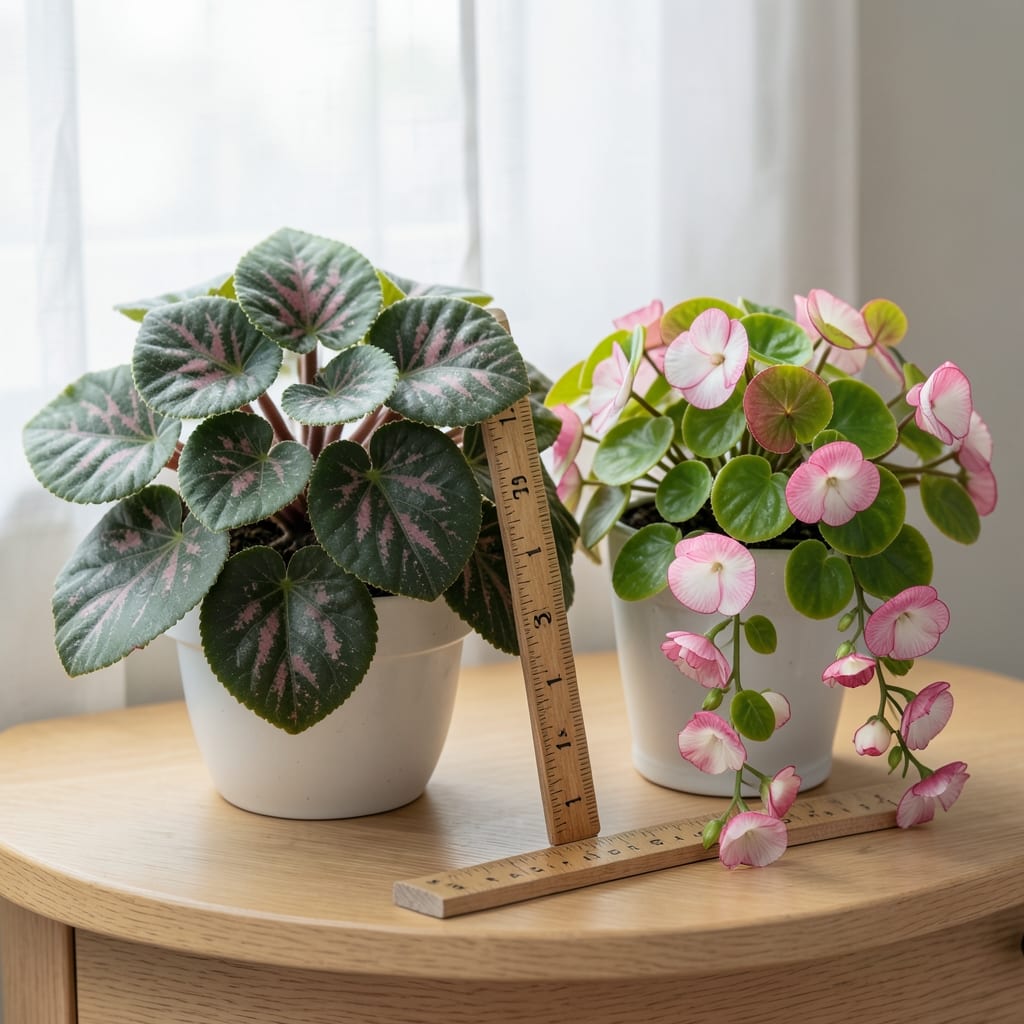
Wondering how tall do begonia plants grow before you commit to adding them to your garden? The answer might surprise you—some varieties stay compact enough for windowsills, while others reach nearly waist-high with proper care.
Begonias are famously versatile, with heights ranging from just 6 inches for dwarf varieties to over 3 feet for their towering cousins. The key difference? It all comes down to the type you choose—tuberous begonias stretch upward, while wax begonias stay bushier and rex begonias often trail elegantly.
If you're planning your space, here's the game-changer: light exposure and pruning can dramatically influence their growth. A sunny windowsill might encourage leggy stems, while strategic pinching keeps them full and compact. I'll show you exactly how to control their height based on your growing conditions.
Ready to transform your space with these stunning plants? Let's break down the height expectations for each variety and the simple care tricks that keep them thriving—no matter how much (or little) space you have.


Begonia height guide: how tall each major variety grows
Begonias are a gardener’s dream with their stunning foliage and vibrant blooms, but their height varies dramatically depending on the variety. Some stay compact enough for windowsills, while others reach small shrub proportions. Understanding these differences helps you choose the perfect begonia for your space—whether it’s a sunny patio or a shady indoor corner.
Tuberous begonias, for example, often grow 12-18 inches tall with dramatic blooms, while rex begonias stay closer to 6-12 inches but boast striking foliage. Trailing types like begonia boliviensis can spill over edges, reaching 12-24 inches in length. Knowing these ranges ensures you pick a variety that fits your garden design or container size.
Here’s a quick reference for the most popular begonia types and their typical mature heights:
| Variety | Height Range | Growth Habit | Best For |
|---|---|---|---|
| Tuberous Begonia | 12–18 inches | Upright, bushy | Beds, containers, hanging baskets |
| Rex Begonia | 6–12 inches | Compact, rosette | Indoor plants, terrariums |
| Wax Begonia | 12–24 inches | Upright, clustered | Shade gardens, borders |
| Angel Wing Begonia | 18–36 inches | Tall, arching | Woodland gardens, shade areas |
| Trailing Begonia | 12–24 inches (spread) | Vining, cascading | Hanging baskets, shelves |
If you’re growing begonias in containers or hanging baskets, trailing varieties like begonia boliviensis or begonia coccinea will spill over edges beautifully, creating a lush, cascading effect. For upright growth, tuberous or wax begonias are ideal—they’ll add height and drama to garden beds or patio pots.
One common mistake is assuming all begonias stay small. Angel wing begonias, for instance, can reach 3 feet tall if given the right conditions, making them perfect for shady corners of the garden where taller plants are needed. Always check the specific variety’s growth habit before planting to avoid overcrowding or underutilized space.
For indoor growers, rex begonias are fantastic for shelves or desks, while wax begonias can thrive near bright windows. If you’re short on vertical space, choose dwarf varieties like begonia ‘Dragon Wings’, which max out at 10 inches tall but pack a punch with their colorful leaves.
Pro tip: If you’re unsure about a begonia’s mature size, check the tag or plant description—many nurseries list height ranges. This small detail can save you from buying a plant that outgrows its intended spot!
Remember, these height ranges are general guidelines. With proper care—like pruning, sunlight, and soil quality—you can encourage your begonias to grow taller or stay more compact. We’ll dive deeper into those care tips in the next section.
Factors that determine begonia height: light, soil, and pruning tips
Begonia height isn’t set in stone—it’s shaped by your care routine. The right sunlight exposure, nutrient-rich soil, and strategic pruning can push your plant toward its full potential or keep it compact. For example, a tuberous begonia might reach 3 feet tall with ideal conditions but stay under 12 inches if grown in low light. Let’s break down the key factors that influence how tall your begonias grow.
Sunlight plays a starring role in begonia growth. These plants thrive in bright, indirect light, which encourages sturdy stems and vibrant blooms. Too much direct sun can scorch leaves, leading to stunted growth or leggy stems. On the flip side, low-light conditions slow growth and weaken stems, causing plants to sprawl instead of standing tall. Aim for 4-6 hours of filtered light daily—think east-facing windows or dappled shade outdoors.
Soil quality directly impacts root development, which in turn affects height. Begonias need well-draining, slightly acidic soil (pH 5.5–6.5) packed with organic matter. Poor soil leads to weak roots and limited nutrient uptake, capping growth at half its potential. Amend garden soil with compost or peat moss to create the perfect foundation. For container-grown begonias, use a lightweight potting mix with perlite to prevent compaction.
🌱 Pros and Cons of Growth Factors
Pros: Strong stems, vibrant blooms
Cons: Risk of leaf burn
Pros: Healthy roots, steady growth
Cons: Overwatering risks
Pros: Bushier growth, controlled height
Cons: Over-pruning stunts growth
Pros: None
Cons: Leaf scorch, weak stems
Pros: None
Cons: Root rot, stunted growth
Pruning is your secret weapon for controlling begonia height. For upright varieties, pinch back the tips of new growth to encourage bushier, more compact plants. Trailing types, like begonia boliviensis, benefit from gentle trimming to prevent them from becoming too leggy. Always use sterilized scissors and cut just above a leaf node. Timing matters too—prune in spring or early summer to avoid removing next year’s blooms.
Fertilizer also plays a role in height. A balanced 10-10-10 fertilizer applied every 4-6 weeks during the growing season promotes steady growth. Too much nitrogen, however, can lead to leafy but weak stems, while a phosphorus-heavy mix encourages taller, bloom-heavy plants. Always water before fertilizing to prevent root burn, and reduce feeding in fall and winter when growth slows.
Remember, begonias are adaptable. With the right care, you can coax even tuberous begonias to stay under 18 inches or push rex begonias toward their 24-inch maximum. Experiment with light, soil, and pruning to find the perfect balance for your space and style. The key is consistency—your begonias will reward you with lush growth and stunning blooms.