
Vegetables
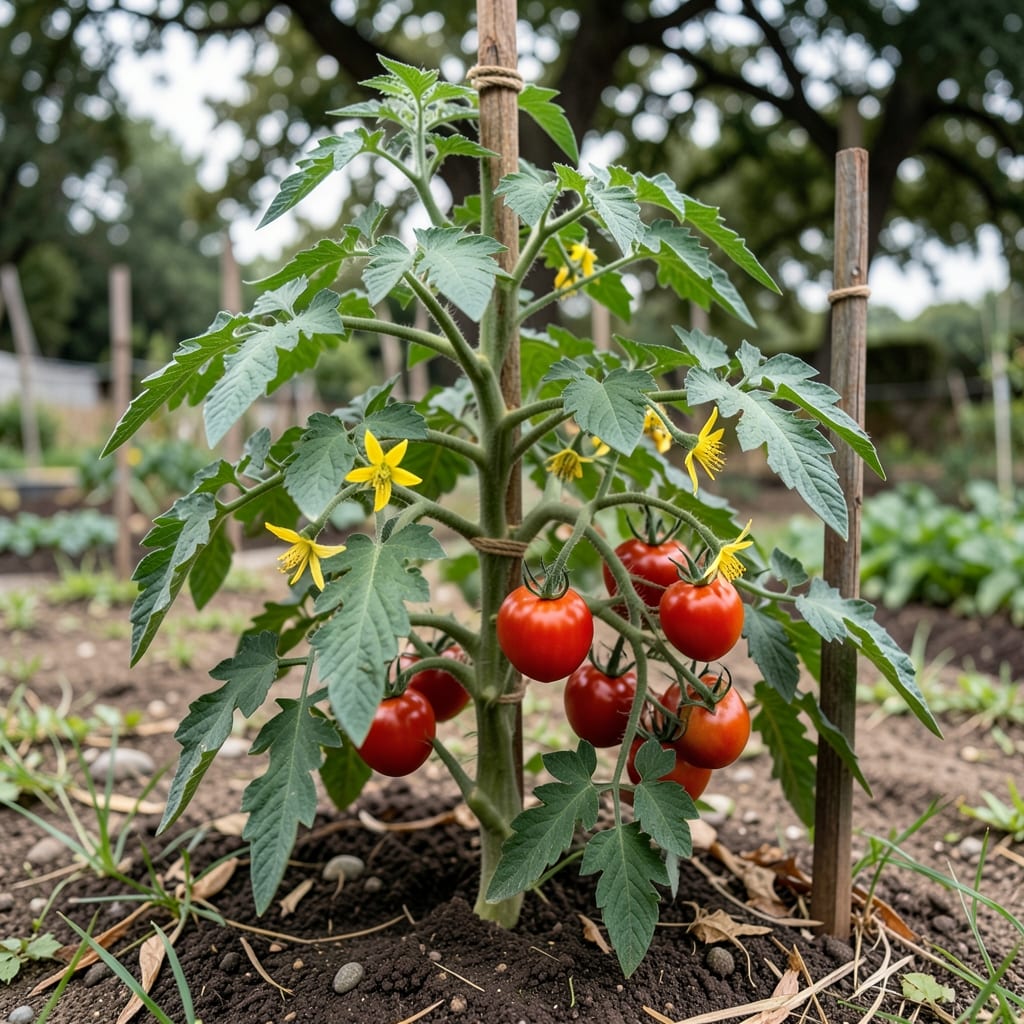
If you're wondering how tall do Big Boy tomato plants grow, get ready to be surprised—these 🍅 giants can stretch to 12 feet or more when given the right conditions! Unlike their shorter cousins, Big Boy tomatoes are indeterminate, meaning they don’t stop growing until frost hits, making them a gardener’s dream (and sometimes a space challenge).
The key to unlocking their full height potential lies in proper support and care. Without sturdy trellises or cages, those towering vines can flop over, wasting energy and reducing fruit production. But with the right setup, you’ll not only maximize height but also improve airflow and sunlight exposure for bigger, healthier tomatoes.
In this guide, I’ll break down exactly what to expect from these vertical powerhouses—from early growth stages to mature heights—and share proven tips for training them without sacrificing yield. Whether you’re planning your garden layout or troubleshooting a runaway vine, you’ll learn how to work with (not against) their natural growth habits.
Ready to turn your garden into a tomato jungle? Let’s dive into the secrets behind Big Boy’s impressive stature and how you can replicate it—even in smaller spaces. Your fence (and neighbors) will thank you later!

How tall Big Boy tomato plants grow: height expectations and growth stages
When you plant Big Boy tomato seeds, you’re not just growing a vegetable—you’re cultivating a vertical powerhouse. These indeterminate varieties defy expectations by growing 6 to 12+ feet tall under ideal conditions, far surpassing the 3–5 foot average of many tomato plants. Their uncontrolled growth habit means they’ll keep climbing until frost stops them, producing fruit along the way.
The mature height of a Big Boy tomato depends on three key factors: genetics, support structure, and growing conditions. Without proper trellising or staking, vines may sprawl instead of reaching their full potential. In my garden, I’ve seen Big Boy plants break 8-foot marks with the right care, while neglected vines barely clear 4 feet—a stark reminder of how critical support is.
Here’s what you need to know about their growth stages and how height develops over time. Understanding these phases helps you plan for space, sunlight, and support before planting.
🌱 Big Boy Tomato Growth Summary
| Stage | Height Range | Key Features | Timeframe |
|---|---|---|---|
| Seedling | 0–12 inches | First true leaves appear; needs sturdy support early | 2–4 weeks |
| Vegetative Growth | 1–4 feet | Rapid vertical growth; prune suckers to direct energy upward | 4–8 weeks |
| Flowering | 4–8 feet | Height stabilizes slightly; fruit load slows vertical growth | 8–12 weeks |
| Mature Vine | 6–12+ feet | Continuous growth until frost; requires strong trellis | 12+ weeks |
The first 60 days after transplanting are critical for establishing height. Without proper training, vines may grow wildly unbalanced, with heavy fruit clusters causing branches to break. I’ve seen Big Boy plants topple over when their 8-foot vines weren’t secured—always tie them to a sturdy trellis every 1–2 feet as they grow.
Climate plays a surprising role in height. In warmer regions (USDA Zones 8–10), Big Boy tomatoes can exceed 12 feet if given year-round growing conditions. In cooler climates (Zones 4–6), they’ll max out around 6–8 feet unless you extend the season with row covers or greenhouses. Last summer, my Big Boy in Zone 5 hit 9 feet with a cold-frame extension—proof that height isn’t just about genetics.
One common misconception is that bigger plants always mean more fruit. While Big Boy tomatoes can produce 20+ pounds of tomatoes per vine, overly tall, unsupported vines often sacrifice yield for height. The key is balancing vertical growth with fruit load management through pruning and topping. I’ll cover these techniques in detail later, but for now, remember: height without support = wasted potential.
If you’re planning your garden layout, account for at least 6 feet of vertical space per Big Boy plant. In small spaces, consider espalier training to keep vines under 4–5 feet while still maximizing fruit production. My balcony garden uses vertical trellises to fit Big Boy plants in 2-foot-wide containers—no fence needed!
For container growers, height expectations drop slightly due to root restriction. In 5-gallon pots, Big Boy tomatoes typically reach 4–6 feet, while 15-gallon containers can support 6–8 feet. Always use deep pots with drainage holes to prevent root-bound stunting. I’ve had success with fabric grow bags that allow roots to breathe and expand vertically.
Finally, soil fertility directly impacts height. Big Boy tomatoes thrive in rich, well-draining soil with a pH of 6.0–6.8. Amend your soil with compost and balanced fertilizer (5-10-10) at planting, then side-dress with nitrogen every 4–6 weeks to fuel vertical growth. Without proper nutrients, vines may stunt at 3–4 feet, leaving you wondering why your "giant" isn’t growing tall.
Ready to harness that 12-foot potential? Start with a strong trellis, consistent pruning, and fertile soil—your Big Boy tomatoes will thank you with bountiful, vine-tip-to-root harvests. 🌿
How tall Big Boy tomato plants grow: height expectations and growth stages
If you’ve planted Big Boy tomatoes, you’ve already discovered they’re not your average backyard shrubs. These indeterminate varieties grow continuously throughout the season, often reaching heights that surprise even experienced gardeners. On average, Big Boy tomato plants climb 6 to 12 feet tall, but with ideal conditions, they can exceed 15 feet—think two-story plants in your garden!
The key to their impressive height lies in their genetic growth habit. Unlike determinate tomatoes that grow to a fixed size, Big Boy vines keep stretching until frost stops them. This means their height depends on support systems, pruning practices, and even your local climate. In warm, long-growing seasons, you’ll see the most dramatic vertical expansion.
| Growth Stage | Height Range | Key Characteristics |
|---|---|---|
| Seedling | 0–1 ft | First true leaves appear; needs strong support early. |
| Early Vegetative | 1–3 ft | Rapid vertical growth; stake or cage immediately. |
| Flowering | 3–6 ft | Height accelerates; prune suckers to direct energy upward. |
| Fruiting | 6–12+ ft | Peak growth; may need additional trellis height. |
One common misconception is that Big Boy tomatoes will naturally stop growing at a certain height. In reality, their vertical potential is limited only by your support system. Without proper trellising or staking, vines can flop over, leading to disease risks and reduced fruit production. I’ve seen 15-foot vines in my garden when using a metal trellis extended to 8 feet—the plants simply kept climbing!
Your local climate plays a huge role in their height. In USDA Zone 7 or warmer, where frost comes late, Big Boy tomatoes can grow 30–50% taller than in cooler zones. For example, in Zone 5, you might see 6–8 feet, while in Zone 9, they can easily hit 12+ feet. Always plan your garden layout with this in mind—especially if you’re growing near fences or structures.
To encourage maximum height, focus on three critical factors: sunlight exposure, consistent watering, and nutrient-rich soil. These plants thrive in full sun (6–8 hours daily) and need 1–2 gallons of water per plant every 3–5 days. I’ve found that adding a balanced fertilizer (5-10-10) every 4–6 weeks during the growing season gives them the boost they need to reach their full potential.
If you’re short on vertical space, don’t worry—you can still grow Big Boy tomatoes successfully. Techniques like topping (cutting the main stem) or pruning side shoots can control height while maintaining a heavy yield. Just remember: the taller the vine, the more fruit production you can expect—if you give it the right care!