
Size
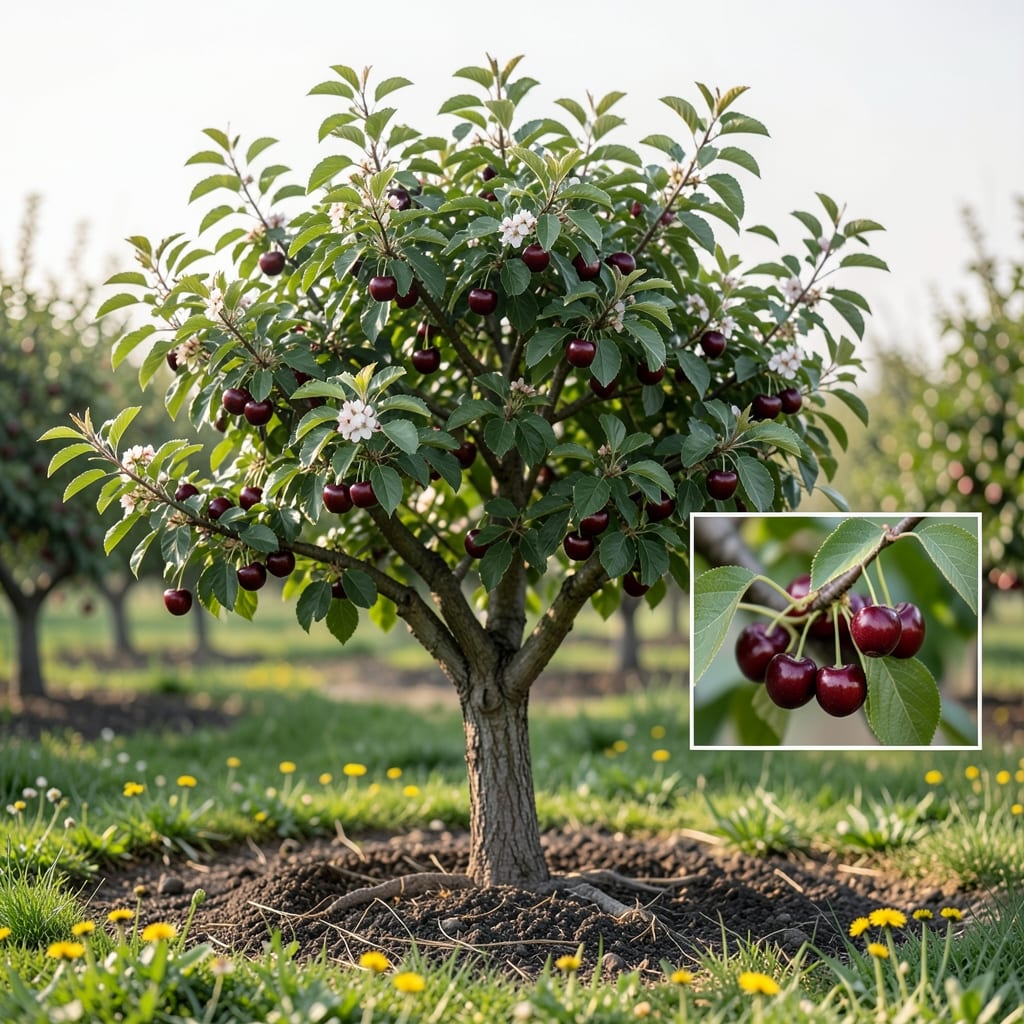
If you're wondering how tall do Bing cherry trees grow, the answer might surprise you—these sweet little fruit trees can easily reach 20-25 feet at maturity, making them a serious commitment for smaller yards. 🍒 With their lush canopies and delicious harvests, they're a favorite among gardeners, but their size means careful planning is key before planting.
Most Bing cherry trees fall into the medium-height category, though varieties can vary. Standard types typically hit 15-25 feet, while dwarf versions stay between 6-10 feet, perfect for tighter spaces. Understanding these differences helps you choose the right tree for your garden layout and maintenance style.
What you might not realize is that pruning plays a huge role in controlling height and improving fruit production. Regular trimming can keep your tree manageable while boosting those juicy cherries you're craving. Whether you're a seasoned gardener or just starting, learning these techniques will save you headaches—and space—down the road.
Ready to grow your own Bing cherries? I'll walk you through everything you need to know about height expectations, pruning tips, and even small-space alternatives. Let's get your cherry tree dreams on track!


Bing cherry tree height by variety: standard vs dwarf sizes explained
When planning your Bing cherry tree placement, understanding its mature height is critical. Standard varieties typically reach 15-25 feet tall, while dwarf versions stay between 6-10 feet. This dramatic difference directly impacts your garden layout and maintenance approach. 🍒
Most standard Bing cherry trees grow 20-25 feet at maturity, creating a stunning canopy but requiring significant space. These trees develop a spreading habit, often reaching 15-20 feet wide as well. Their height makes them ideal for large backyards or orchard settings.
The dwarf Bing cherry varieties are specifically bred for smaller spaces. These trees typically mature between 6-10 feet tall and 6-8 feet wide, making them perfect for urban gardens or patios. Their compact size doesn't compromise fruit production, though yields may be slightly smaller than standard trees.
Here's how these varieties compare at different growth stages:
| Variety Type | Mature Height | Mature Width | Growth Rate | Space Needs |
|---|---|---|---|---|
| Standard Bing | 15-25 ft | 15-20 ft | Moderate-Fast | Large Yard |
| Semi-Dwarf Bing | 12-18 ft | 10-15 ft | Moderate | Medium Yard |
| Dwarf Bing | 6-10 ft | 6-8 ft | Slow-Moderate | Small Space |
The rootstock used when grafting Bing cherry trees plays a major role in their final size. Standard trees are often grafted onto Mahaleb or Mazzard rootstock, which encourages vigorous growth. Dwarf varieties typically use Gisela or Colt rootstock, which naturally restricts height through genetic dwarfing.
Your local climate also affects height potential. In warmer USDA zones (7-9), Bing cherry trees may grow slightly taller due to longer growing seasons. Conversely, in cooler zones (5-6), growth rates slow, potentially keeping trees slightly shorter. Proper sun exposure is critical—these trees need 6-8 hours of full sun daily to reach their maximum height potential.
If you're working with limited space but still want Bing cherries, consider columnar varieties like 'Compact Bing' or 'Stella'. These trees grow vertically, reaching only 6-8 feet tall but producing fruit along a narrow trunk, making them perfect for small gardens or container growing. 🌳
Remember that pruning habits can significantly influence your tree's height. Regular pruning can keep standard trees 30-50% shorter than their natural growth potential. I'll cover pruning techniques in detail in the next section, but for now, know that strategic trimming is your best tool for managing height while maximizing fruit production.
When choosing your Bing cherry tree, consider not just height but also your garden's vertical space. Measure your available area carefully—these trees will outgrow their containers quickly, and proper spacing now prevents future headaches. With the right variety and care, you can enjoy Bing cherries regardless of your yard size!
How pruning affects Bing cherry tree height & fruit yield
Pruning is your most powerful tool for controlling Bing cherry tree height while boosting fruit production. Without regular pruning, even dwarf varieties can grow taller than expected, while standard trees may become unmanageable. The key is timing—winter pruning (dormant season) shapes structure, while summer pruning improves fruit quality and airflow. 🪴
Start with structural pruning in the first 2-3 years to establish a strong framework. Remove suckers and water sprouts immediately—they drain energy from fruit production. For height control, focus on heading back (cutting just above a bud) the central leader and side branches. This technique keeps trees 30-50% shorter than their natural growth potential.
Here’s my step-by-step pruning guide for managing height and maximizing yield:
- 1 Winter Pruning (Late Dormant Season): Remove dead, diseased, or crossing branches. Cut back 1/3 of last year’s growth to encourage bushier growth.
- 2 Summer Pruning (June-July): Thin out excessive shoots to improve airflow and sunlight penetration. Remove suckers at the base to redirect energy to fruit production.
- 3 Heading Back (Annual): Cut 1/4 to 1/3 of the current season’s growth on vertical shoots to promote branching. This keeps the tree compact and productive.
- 4 Avoid Over-Pruning: Never remove more than 25% of the canopy in one season—this stresses the tree and reduces fruit yield. Spread pruning over 2-3 years for best results.
One common mistake is pruning at the wrong time. Pruning Bing cherries in early spring (before bud break) can stimulate excessive growth, making height control harder. Always prune after harvest (late summer) or during dormant season (winter) for optimal results. 🌿
For dwarf varieties, pruning is even more critical—their genetic growth restrictions can be overwhelmed if not managed. Focus on light heading back and thinning to maintain their compact shape. In contrast, standard trees benefit from aggressive structural pruning to keep them under 15 feet if space is limited.
Pro tip: Use sharp, clean pruners to make cuts just outside the branch collar. This prevents disease and promotes faster healing. After pruning, apply a wound dressing (like tree sealant) to larger cuts to protect against pests and infections. With consistent pruning, you can enjoy abundant Bing cherries while keeping your tree at your desired height!