
Vegetables
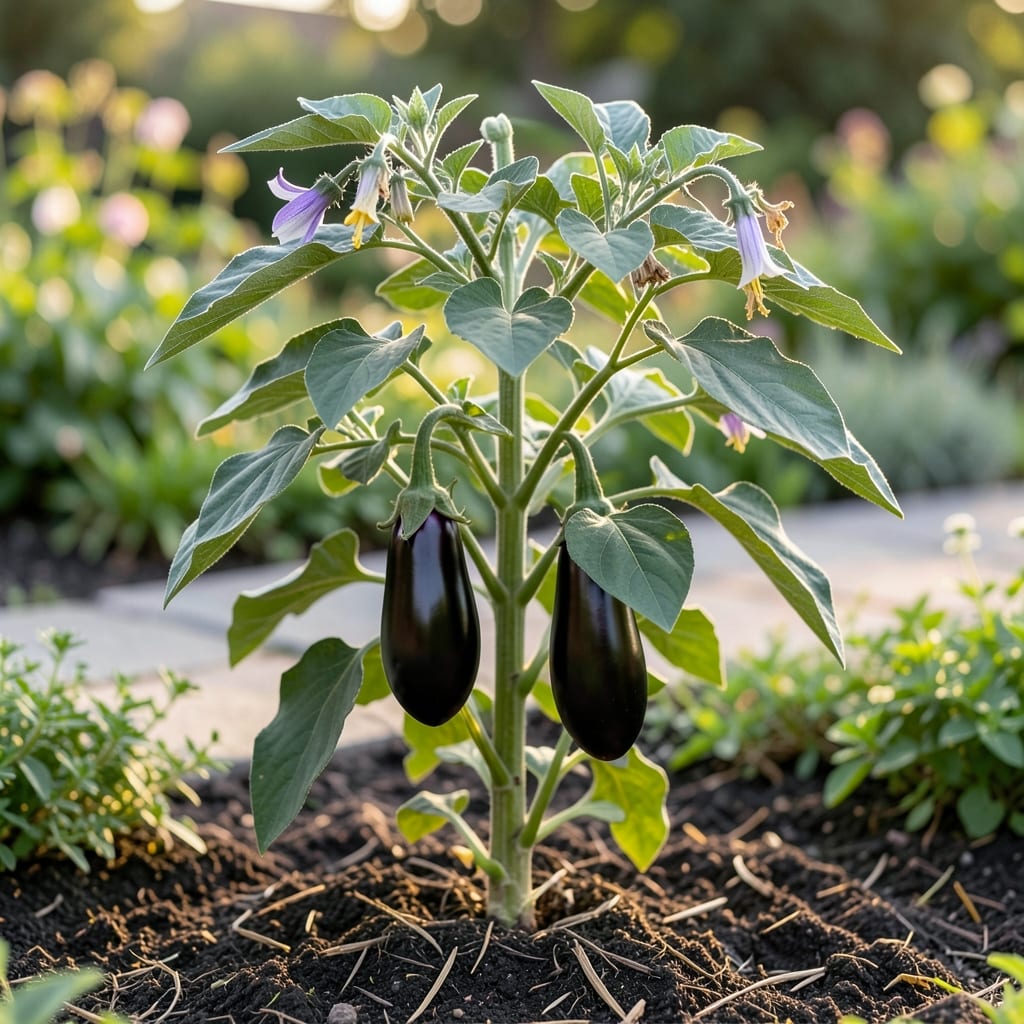
Wondering how tall do Black Beauty eggplants grow in your garden? These 🍆 classics typically reach 2 to 3 feet tall, making them perfect for both small spaces and larger plots—if you know how to manage their growth. Whether you're working with limited square footage or planning a full garden bed, understanding their natural height helps you optimize space without sacrificing yield.
Black Beauty eggplants are indeterminate, meaning they keep growing taller as long as conditions are right. Without proper care, they can stretch beyond their ideal size, but with the right techniques—like pruning and spacing—you can keep them compact while maximizing fruit production. The key is balancing their natural growth habits with your garden's layout.
If you're growing in containers or tight spaces, you might even see them stay closer to 2 feet tall, while larger garden beds could push them toward 3 feet. The difference comes down to sunlight, soil quality, and how you train the plants. Let’s break down what influences their height and how to keep them at your desired size.
Ready to grow these versatile veggies without the space worries? I’ll show you exactly how to control their height, whether you’re a beginner or a seasoned gardener. Let’s get started!


Black Beauty eggplant height: what to expect and how it grows
Black Beauty eggplants are a beloved variety among gardeners, prized for their rich flavor and versatile use in dishes. Their mature height typically ranges from 2 to 3 feet, making them a manageable size for most gardens. This height is ideal for both small spaces and larger plots, as long as you understand their growth habits and how to guide them.
As an indeterminate variety, Black Beauty eggplants don’t have a strict growth limit—they’ll keep producing new branches and leaves as long as conditions are favorable. Without intervention, they can grow taller than expected, especially in ideal growing conditions like full sun and fertile soil. However, with proper pruning and spacing, you can easily keep them within your desired height range.
In small gardens or container setups, these plants often stay closer to 2 feet tall. This is because their growth is naturally constrained by the limited space. On the other hand, in open garden beds with plenty of room, they can stretch toward 3 feet or even slightly taller if left unchecked. The key to controlling their height lies in understanding their growth patterns and how environmental factors influence them.
Seasonal variations also play a role in how tall your Black Beauty eggplants grow. During the hot summer months, when growth is most vigorous, they may shoot up faster and produce more branches. In contrast, cooler temperatures or early spring/late fall planting can slow their growth, keeping them more compact. Paying attention to these seasonal shifts helps you anticipate and manage their height effectively.
| Growth Factor | Typical Height Range | Influencing Conditions |
|---|---|---|
| Mature Height (Standard) | 2–3 feet | Full sun, balanced care |
| Container Growth | 1.5–2.5 feet | Limited root space |
| Pruned Plants | 1.5–2 feet | Regular trimming |
| Unpruned Plants | 3–4 feet | No height control |
| Seasonal Growth | Slower in cool months | Temperature fluctuations |
The indeterminate nature of Black Beauty eggplants means they’ll continue to grow taller and bushier as long as they’re healthy. This trait makes them highly productive but also means you need to stay proactive about managing their size. If you’re growing them in rows or beds, spacing them 18–24 inches apart gives them room to spread without crowding. In containers, choose pots that are at least 12–15 inches wide and deep to accommodate their root system while keeping their height in check.
Another factor that affects their height is soil fertility. Rich, well-draining soil packed with organic matter encourages vigorous growth, which can lead to taller plants. If your soil is poor or compacted, the plants may struggle to reach their full height potential. Before planting, amend your soil with compost or aged manure to provide the nutrients they need without overstimulating their growth. This balance ensures they grow strong but stay within your desired height range.
Light exposure is equally critical. Black Beauty eggplants thrive in full sun, which means they need at least 6–8 hours of direct sunlight daily. Insufficient light can stunt their growth, making them shorter but also less productive. If you’re growing them in shadier conditions, expect them to stay closer to 2 feet tall or even shorter. To maximize their height and yield, always plant them in the sunniest spot available in your garden.
Finally, don’t overlook the role of watering and fertilization in controlling their height. Overwatering or over-fertilizing can cause rapid, leggy growth, making the plants taller but weaker. Stick to a consistent watering schedule—deep watering every 3–5 days—and use a balanced fertilizer like 10-10-10 every 4–6 weeks during the growing season. This approach ensures steady, healthy growth without encouraging excessive height.
By understanding these factors—indeterminate growth, spacing, soil quality, sunlight, and care practices—you can confidently grow Black Beauty eggplants at the perfect height for your garden. Whether you’re working with limited space or a sprawling plot, these tips will help you keep your plants productive and manageable.
Black Beauty eggplant height: what to expect and how it grows
Black Beauty eggplants typically reach a mature height of 2 to 3 feet, making them a manageable size for most gardens. Their indeterminate growth habit means they’ll keep stretching taller as long as conditions are ideal, which is why understanding their natural growth pattern is key to planning your space. In my experience, these plants thrive when given proper sunlight and nutrients, but they can easily become leggy if left unchecked.
If you’re growing in containers or small spaces, you’ll often see them stay closer to 2 feet tall, while those planted in open garden beds with ample room can reach up to 3 feet or slightly taller. The difference comes down to how you train and prune them—more on that later! For now, focus on giving them the right conditions to grow strong without sprawling uncontrollably.
| Growth Factor | Details |
|---|---|
| Mature Height | 2–3 feet (60–90 cm) |
| Growth Habit | Indeterminate (keeps growing) |
| Container Height | 1.5–2 feet (45–60 cm) |
| Sunlight Needs | 6–8+ hours of full sun |
| Pruning Impact | Reduces height by 20–30% |
The seasonal growth of Black Beauty eggplants also plays a role in their height. In early spring, they start off compact but bolt upward once temperatures rise and flowering begins. If you’re in a shorter growing season, you might see slower vertical growth, while warmer climates can push them to their full height faster. Pay attention to your local frost dates and plant them after the last frost for the best results.
One of the biggest misconceptions is that Black Beauty eggplants will always grow to their maximum height. In reality, their final size depends heavily on pruning practices and support structures. For example, if you trellis them early, you can encourage a bushier, more compact shape while still getting plenty of fruit. Without support, they’ll naturally lean toward their taller end of the spectrum, which can be a challenge in small gardens.
If you’re growing multiple plants, spacing is crucial. Give each Black Beauty eggplant at least 18–24 inches of space between them to prevent overcrowding, which can stunt growth or lead to taller, weaker stems. In my garden, I’ve found that staking or caging them at planting time helps maintain a more manageable height while keeping the fruit off the ground and protected from pests.
For those growing in containers or raised beds, aim for a pot that’s at least 12–15 inches deep to accommodate their root system. Shallow containers can restrict growth, leading to stunted plants that struggle to reach their full height. Pair this with regular pruning to keep them from becoming too leggy, and you’ll have perfectly sized eggplants without the space issues.