
Size
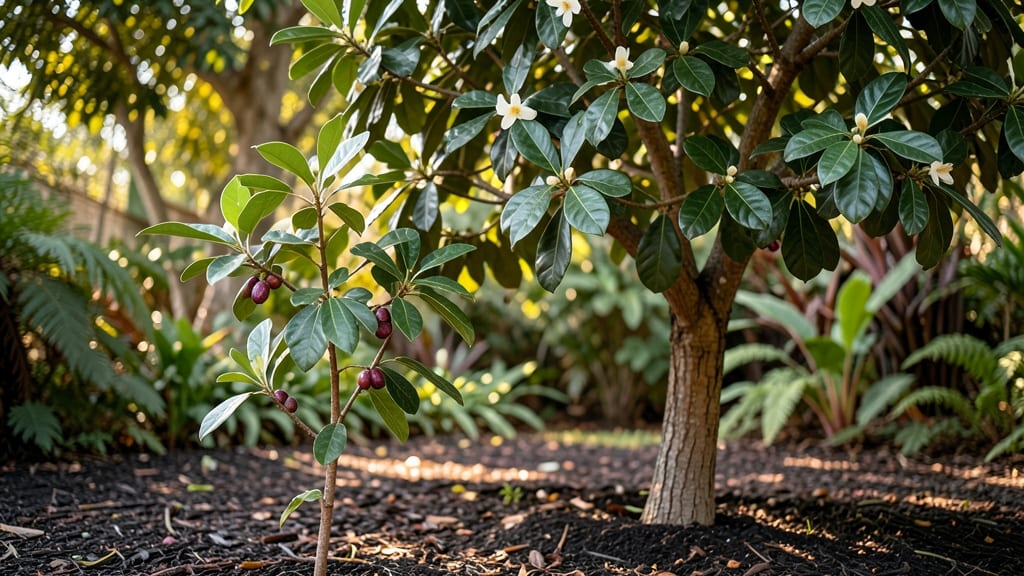
If you're wondering how tall do coffee trees grow, the answer might surprise you—some varieties stretch taller than a basketball hoop, while others stay compact enough for a sunny windowsill.
The size of your future coffee plant depends entirely on the variety you choose, and getting this right could mean the difference between a manageable backyard bush and a towering jungle that needs a ladder just to pick cherries.
Most coffee trees, like the beloved Coffea arabica, can reach 10 to 15 feet in ideal conditions, but with pruning, you can keep them at a more manageable 6 to 8 feet.
Meanwhile, dwarf varieties like 'Nana' stay under 3 feet, making them perfect for containers or small gardens. The key is understanding your space and growth goals—whether you're dreaming of a backyard coffee grove or just a few plants for home brewing.
Here's the good news: even if you're limited to a balcony or patio, there are coffee varieties that thrive in small spaces without sacrificing flavor. We'll break down the height differences between Arabica, Robusta, and other popular types, plus share pruning tips to control growth.
By the end, you'll know exactly which coffee tree fits your garden—or even your kitchen counter.
Ready to turn your coffee habit into a hands-on gardening project? Let's explore how to choose the right size, shape, and care routine for your future coffee plants—no matter how much (or little) space you have to work with.


Coffee tree height by variety: from dwarf to giant species
Coffee trees aren’t one-size-fits-all—some varieties grow as tall as 20 feet in tropical plantations, while others stay under 3 feet in your backyard. The difference comes down to the species and cultivar. Coffea arabica (Arabica) typically stays shorter than Coffea canephora (Robusta), but even within these groups, heights vary dramatically.
For home gardeners, understanding these differences is key to planning your space and choosing the right variety for your climate.
Most coffee trees you’ll find at nurseries fall into three height categories: dwarf (under 6 ft), semi-dwarf (6-10 ft), and standard (10+ ft). The dwarf varieties are perfect for containers or small gardens, while standard types need space and regular pruning.
Even within these categories, growth rates differ—some reach maturity in 3-5 years, while others take a decade or more. Let’s break down the most common varieties and their mature heights.
| Variety | Mature Height | Growth Rate | Ideal Spacing | Best For |
|---|---|---|---|---|
| Arabica (Bourbon) | 8-12 ft | Moderate (5-7 yrs to fruit) | 10-15 ft apart | Large gardens, estates |
| Robusta (Canephora) | 12-20 ft | Fast (3-5 yrs to fruit) | 15-20 ft apart | Commercial farms, large plots |
| Liberica | 15-30 ft | Slow (7-10 yrs to fruit) | 20-30 ft apart | Tropical climates, rare collections |
| Dwarf Arabica (e.g., 'Nana') | 3-5 ft | Slow (4-6 yrs to fruit) | Container or 5 ft apart | Patios, small gardens |
| Caturra (Semi-Dwarf) | 6-8 ft | Moderate (3-5 yrs to fruit) | 8-10 ft apart | Backyards, urban gardens |
| Bourbon Amarelo | 10-15 ft | Moderate (5-7 yrs to fruit) | 12-15 ft apart | Specialty coffee growers |
If you’re growing coffee in containers, focus on dwarf varieties like 'Nana' or 'Caturra'. These stay under 6 feet and can thrive in 15-20 gallon pots with proper drainage.
For larger gardens, Bourbon or Typica varieties offer a balance of manageable height (8-12 feet) and high-quality beans. Remember, even standard-height trees can be pruned to control their size, but they’ll still need regular maintenance to stay harvest-friendly.
Climate plays a huge role in height too. In tropical regions, coffee trees grow faster and taller due to year-round warmth. In cooler zones (like USDA 10-11), growth slows, and trees may stay shorter unless you provide greenhouse protection or indoor lighting.
If you’re in a cooler microclimate, choose semi-dwarf varieties—they’re more forgiving and still produce well.
How to control coffee tree height: pruning & training techniques
Pruning isn’t just about keeping your coffee tree in check—it’s the secret to shaping a productive, manageable plant that fits your space. Without proper pruning, even dwarf varieties can grow leggy or unruly, while standard types may become too tall for easy harvesting.
The key is timing, technique, and consistency. I’ve learned the hard way that aggressive pruning at the wrong time can stress your tree, but strategic cuts encourage bushier growth and better yields.
Start pruning when your coffee tree is 1-2 years old, once it’s established but before it reaches its mature height. For Arabica varieties, this typically means trimming back new growth to encourage branching.
Robusta trees, which grow faster, may need more frequent pruning to control their height. Always use sterilized pruning shears to prevent disease spread—this is a lesson I wish I’d learned sooner!
Here’s the golden rule: prune during the dry season, just before new growth begins. Avoid heavy pruning in warm, humid climates where wounds take longer to heal.
In cooler regions, you can prune lightly in early spring. The goal is to remove 1/3 of the tree’s height at a time—never more—to avoid shocking the plant.
For height control, use the open-center method: remove the central leader (the main upward-growing stem) when it reaches your desired height. This forces the tree to grow outward, creating a bushier shape.
In my USDA Zone 10 garden, I prune my Bourbon Amarelo trees to 5-6 feet by removing the topmost branches annually. This makes picking cherries much easier—and trust me, your back will thank you!
Train young trees with stakes or trellises if you’re growing in containers or small spaces. This guides their growth direction and prevents them from becoming top-heavy. I’ve seen coffee trees in pots grow 3 feet tall in a year when properly trained, but without support, they can flop over.
Use soft ties to avoid damaging the bark, and adjust as the tree grows.
Finally, never skip sanitation pruning—remove dead, diseased, or crossing branches year-round. This improves airflow and reduces pests. In my experience, a well-pruned coffee tree not only stays the right size but also produces 20-30% more cherries than an unpruned one. It’s worth the effort!