
How To
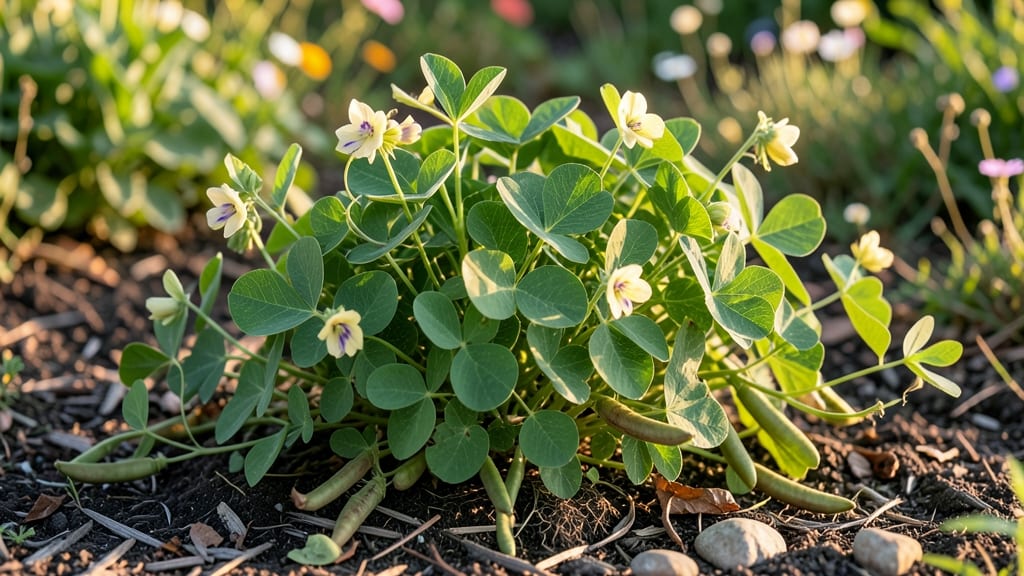
If you're wondering how tall do cowpeas grow, the answer might surprise you—because these little powerhouses come in two dramatically different sizes! 🌱 Whether you're dreaming of a compact garden corner or a towering vertical harvest, knowing the right variety makes all the difference.
Bush varieties stay neatly contained at 1-3 feet, perfect for small spaces or container gardening, while vining types can reach skyward at 6-12 feet if given support. This isn't just about aesthetics—it affects everything from spacing to trellising strategies, and even how you plan your harvest.
For gardeners in USDA Zone 6a, timing is everything—planting in April-May ensures your cowpeas have plenty of warm weather to grow before the first frost.
But here's the kicker: the right height for your garden depends on your goals, whether you're after tender pods, nitrogen-rich soil, or just a stunning vertical display.
Let's break down the key differences between vining and bush types, plus the spacing secrets that'll help you maximize your harvest without turning your garden into a tangled mess. Ready to grow smarter?


Cowpea height guide: vining vs bush varieties compared
Cowpeas are incredibly versatile plants, but their mature height can vary dramatically depending on the variety you choose. Some stay compact like bush beans, while others climb like pole beans—sometimes reaching 12 feet or more! Understanding these differences helps you plan your garden layout and support structures before planting.
If you're working with limited space, bush cowpeas are your best bet. These compact varieties typically mature between 1 and 3 feet tall, making them perfect for containers or small garden plots. Popular examples include 'Purple Hull' and 'California Black-Eyed Pea,' which stay tidy without needing trellises.
Vining cowpeas, on the other hand, are the heavyweights of the family. These varieties can stretch 6 to 12 feet tall, producing long, sprawling vines that need support. 'Iron Clay' and 'Red No. 2' are classic vining types that thrive when given something to climb, like a trellis or fence.
Here’s how the two types compare at a glance:
| Type | Height Range | Growth Habit | Best For |
|---|---|---|---|
| Bush Cowpeas | 1–3 feet | Compact, upright | Containers, small gardens, succession planting |
| Vining Cowpeas | 6–12 feet | Climbing, sprawling | Trellises, fences, large garden plots |
The height of your cowpeas isn’t just about aesthetics—it directly impacts yield and maintenance. Bush varieties produce pods closer to the ground, making them easier to harvest but potentially more vulnerable to soil-borne diseases.
Vining types, while requiring more space, can produce longer harvest windows because their pods mature at different rates along the vine.
Another factor to consider is soil and sunlight. Cowpeas need full sun (6+ hours daily) to reach their full height potential. In shadier conditions, vining varieties may grow taller but produce fewer pods. Well-draining soil rich in organic matter also encourages stronger stems, especially for climbing types.
If you're growing cowpeas for their nitrogen-fixing benefits, vining varieties are often more effective because their extensive root systems can improve soil health over larger areas. However, if your goal is quick, easy harvests, bush varieties are the way to go.
Pro tip: Mix bush and vining cowpeas in your garden! Plant bush varieties along the edges or in containers, while using vining types to create living trellises or privacy screens. This layered approach maximizes both space and productivity.
Before planting, check your seed packet for specific height expectations—some hybrid varieties even fall in between bush and vining types. For example, 'Early Scarlet Runner' is a semi-vining type that reaches 4 to 6 feet but doesn’t require as much support as full vining varieties.
🌱
Cowpea height guide: vining vs bush varieties compared
Cowpeas are a gardener’s dream—hardy, nitrogen-fixing, and packed with protein-rich pods. But their height can vary wildly depending on the variety. Some sprawl like vines, while others stay compact like bushes. Knowing the difference helps you plan your garden layout, trellising needs, and even companion planting strategies.
If you’re growing bush cowpeas, expect a tidy 1–3 feet frame—ideal for small gardens or containers. These varieties, like 'Purple Hull' or 'California Black-Eyed Pea', produce pods close to the ground, making them easy to harvest.
Vining cowpeas, on the other hand, can climb 6–12 feet if given support, like 'Iron Clay' or 'Red No. 2'.
| Variety Type | Height Range | Growth Habit | Best For |
|---|---|---|---|
| Bush Cowpeas | 1–3 ft | Compact, upright | Small gardens, containers |
| Vining Cowpeas | 6–12 ft | Climbing, sprawling | Trellises, fences, large plots |
Height isn’t the only factor—growth speed matters too. Bush varieties mature faster (50–60 days), while vining types take 60–75 days to reach full height. This means vining cowpeas need more time to establish before producing pods, so plan accordingly if you’re aiming for a quick harvest.
For small gardens or urban plots, bush cowpeas are your best bet—they fit neatly into raised beds or pots without needing extra support. But if you have vertical space (like a trellis or fence), vining cowpeas reward you with higher yields by spreading their energy upward rather than outward.
Pro tip: Check seed packets for mature height estimates, as some "bush" varieties might surprise you with 4–5 feet of growth. Always err on the side of extra space—crowding leads to poor airflow, which invites pests and diseases.
Whether you choose bush or vine, cowpeas thrive in full sun and well-draining soil. Just remember: vining types need strong support from day one, while bush varieties can stand alone. Happy planting! 🌱