
How To
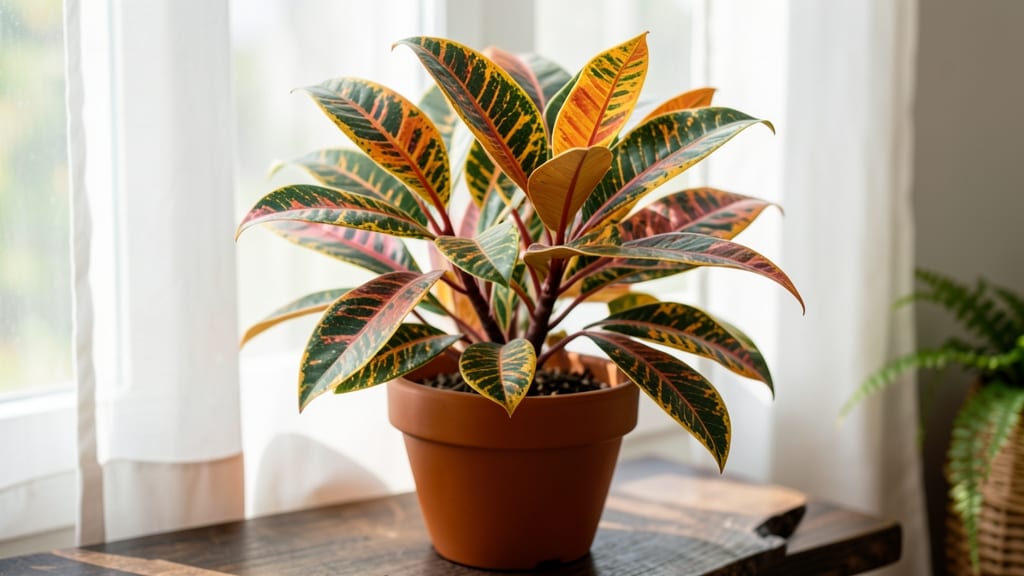
If you're wondering how tall do croton plants grow, the answer depends more on their variety and growing conditions than you might think. That vibrant 🌿 Croton you're eyeing could stay compact or shoot up like a small tree—sometimes in the same household!
Standard varieties like 'Mammoth' or 'Gold Dust' often reach 3 to 6 feet tall when happy, while dwarf types like 'Petra' stay between 1 to 3 feet. The difference comes down to light exposure, pruning habits, and whether you're growing them indoors or outdoors in zone 6.
Here's the game-changer: A croton in bright indirect light will grow bushier and more controlled, while the same plant in low light can stretch dramatically. We'll break down exactly how to manage their height—whether you want that lush shrub look or a more manageable tabletop size.
Ready to turn your croton from a leggy giant into a perfectly proportioned plant? Let's dive into the exact heights by variety and the simple tricks to keep them at your ideal size—no guesswork required.


Croton plant height by variety: from compact dwarfs to towering giants
Crotons (Codiaeum variegatum) are like the chameleons of the plant world—their height can shift dramatically based on their variety, growing conditions, and your care routine. While some varieties stay compact enough for a windowsill, others can grow into small trees, reaching heights of 6 feet or more.
Understanding these differences helps you choose the right variety for your space and set realistic expectations for growth.
Most crotons fall into three broad categories: dwarf varieties (ideal for small spaces), standard varieties (perfect for mid-sized rooms), and tall-growing types (best for larger gardens or outdoor landscapes).
Even within these groups, height can vary by 1-2 feet depending on whether you're growing them indoors or outdoors, in bright light or low light, and with proper pruning or neglect.
Here’s the breakdown of what to expect from popular croton varieties, including their mature heights and ideal growing conditions to achieve those sizes:
| Variety | Mature Height (Indoors) | Mature Height (Outdoors) | Growth Habit | Best For |
|---|---|---|---|---|
| Codiaeum 'Mammoth' | 3–5 ft | 5–7 ft | Bushy, upright | Large rooms, outdoor borders |
| Codiaeum 'Petra' | 2–4 ft | 4–6 ft | Compact, spreading | Containers, indoor gardens |
| Codiaeum 'Dwarf Sundance' | 1–2 ft | 2–3 ft | Dense, mounding | Tables, shelves, small spaces |
| Codiaeum 'Gold Dust' | 2–3 ft | 4–5 ft | Trailing, bushy | Hanging baskets, indoor displays |
| Codiaeum 'Black Prince' | 3–5 ft | 6–8 ft | Tall, upright | Outdoor landscapes, large pots |
| Codiaeum 'Spreading Sunset' | 1.5–2.5 ft | 3–4 ft | Spreading, multi-stemmed | Indoor corners, outdoor containers |
Note: Heights assume optimal care, including proper light, pruning, and fertilization. Neglect can reduce height by 30–50%.
If you’re growing crotons outdoors in USDA Zones 10–12, expect them to grow 20–30% taller than their indoor counterparts due to more sunlight and space. For example, a 'Mammoth' croton might reach 7 feet outdoors with ideal conditions, while indoors it’ll likely max out at 5 feet.
Always factor in your local climate and container size when planning for outdoor growth.
For indoor growers, container size plays a huge role. A croton in a 12-inch pot will stay significantly shorter than one in a 20-gallon container, even if they’re the same variety.
Root-bound crotons grow slower but produce more vibrant foliage, while those with ample root space grow taller but may need regular pruning to maintain shape. Aim for a pot that
How light exposure controls croton growth: sun vs. shade height differences
Light is the single biggest factor in determining how tall your croton grows. A single Petra croton variety can stretch from 3 feet in bright light to 6 feet in dim corners. This isn’t just about height—it’s about leaf quality, too.
Too little light leads to leggy, sparse growth, while too much can scorch those prized variegated leaves. Let’s break down the science and how to get the perfect balance for your space.
Crotons are sun-worshippers at heart, but they’re not desert plants. In full sun (6+ hours of direct light), they grow compact and bushy, with vibrant colors and sturdy stems. Move them to low-light conditions, and they’ll stretch toward any light source—a phenomenon called etiolation.
This isn’t just unsightly; it weakens the plant, making it more prone to pests and diseases. The key? Finding that sweet spot of bright, indirect light.
Here’s how different light levels affect your croton’s height and health:
| Light Condition | Typical Height Range | Growth Habit | Leaf Quality |
|---|---|---|---|
| Full Sun (6+ hours direct) | 2–4 feet | Compact, bushy | Vibrant, small to medium leaves |
| Bright Indirect Light (3–6 hours filtered) | 3–5 feet | Moderate height, slightly leggy | Colorful but larger leaves |
| Low Light (<3 hours indirect) | 5–7+ feet | Tall, stretched, weak stems | Pale, large, sparse leaves |
💡 Pro Tip: Rotate your croton quarterly to ensure even growth.
If your croton is already taller than you’d like, don’t despair. Pruning can help reset its growth and encourage a fuller shape. Focus on cutting back the longest, leggiest stems just above a leaf node.
This triggers new growth from those nodes, creating a bushier, more balanced plant. Just avoid cutting more than 1/3 of the plant at once to prevent shock.
For outdoor crotons, height control is easier—just place them where they’ll get morning sun and afternoon shade. This mimics their natural tropical habitat while keeping them from growing too quickly in hot climates.
In containers, choose a pot that’s only 1–2 inches larger than the root ball to limit vertical growth naturally.
Remember: Yellowing leaves mean too much sun, while drooping or pale leaves signal low light. Adjust your croton’s spot gradually—sudden changes can stress the plant. With the right light, your croton will stay vibrant, healthy, and at the perfect height for your space. 🌿