
How To
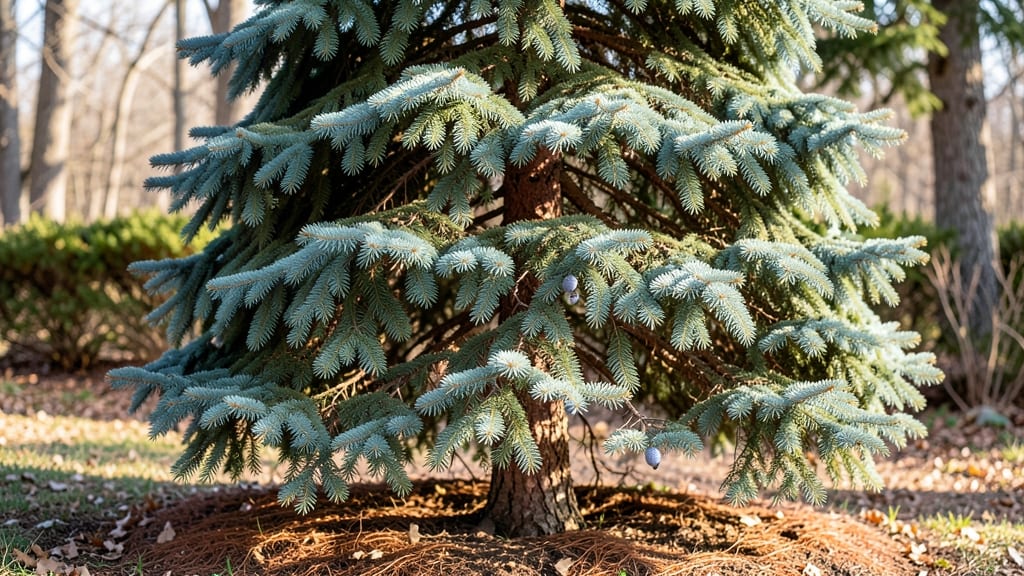
Wondering how tall do Eastern Red Cedars grow before you commit to planting one? This hardy evergreen can stretch from a modest 10-foot shrub to a towering 40-foot giant—depending on where you live and how you care for it.
If you're in USDA Zone 6a (like many gardeners), you can expect your 🌲 Eastern Red Cedar to reach its full potential over time, especially with proper spacing and sunlight. The key is understanding its natural growth habits so you can plan your landscape accordingly.
Whether you're dreaming of a privacy screen, a statement tree, or a low-maintenance hedge, knowing these growth patterns helps you make the right choices. I’ll break down everything you need to know—from spacing tips to pruning tricks—to keep your cedar thriving without overcrowding your yard.
Ready to transform your outdoor space? Let’s dive into how to harness this tree’s full potential while keeping it at the perfect height for your needs.


Eastern Red Cedar mature height by USDA hardiness zones: what to expect
Eastern Red Cedars (Juniperus virginiana) are versatile evergreens that can transform your landscape, but their mature height varies dramatically depending on your USDA hardiness zone and growing conditions.
In ideal settings—like full sun and well-draining soil—these trees typically reach 30 to 40 feet tall, but in cooler northern zones, they may stay shorter due to slower growth rates. Understanding these variations helps you plan spacing and pruning for your specific climate.
In zones 2 through 5, Eastern Red Cedars often grow more slowly, maturing between 20 and 30 feet tall due to shorter growing seasons and colder winters. Meanwhile, in zones 6 through 9, they thrive with faster growth, frequently exceeding 35 feet without intervention.
This zone-based growth pattern is critical for designing privacy screens or windbreaks, as taller trees in warmer climates may require more aggressive pruning to maintain desired heights.
Beyond height, the canopy spread of Eastern Red Cedars is equally important for spacing. While their height dominates the conversation, their width—typically 10 to 15 feet wide at maturity—means they need ample room to avoid crowding other plants.
In denser plantings, like hedgerows, you’ll want to space them 6 to 8 feet apart to allow for natural spread and airflow, which reduces disease risk.
If you’re planting Eastern Red Cedars in cooler northern zones (2-5), expect a more compact growth habit, which makes them ideal for smaller yards or as accent trees. In these zones, their height increases by about 1-2 feet per year during the first decade, then slows as they mature.
For example, a tree planted in Zone 4 might reach 25 feet in 20 years, while one in Zone 8 could hit 35 feet in the same timeframe.
In warmer southern zones (8-9), Eastern Red Cedars grow aggressively, often exceeding 40 feet without pruning. This rapid growth is why they’re popular for privacy screens and windbreaks in these regions. However, their height can become a liability if not managed—especially near power lines or rooflines.
Regular pruning in these zones is essential to maintain a manageable size while preserving their dense, aromatic foliage.
Another key factor influencing height is soil drainage. Eastern Red Cedars thrive in well-draining, slightly acidic soil (pH 5.0-7.0), but poor drainage can stunt their growth or even kill them. In heavy clay soils, consider amending with organic matter like compost or planting on a mound to improve drainage.
This simple adjustment can make the difference between a 25-foot tree and one that reaches 40 feet.
For gardeners in urban or suburban settings, where space is limited, Eastern Red Cedars can be pruned into hedge-like forms as low as 6 to 10 feet tall. This technique—often called pollarding—involves cutting back the main stems to encourage bushier growth.
It’s a great way to enjoy their blue-green foliage and wildlife benefits without sacrificing yard space. Just be prepared for more frequent pruning to maintain the desired height.
Wildlife lovers will appreciate that Eastern Red Cedars provide year-round food and shelter for birds and small mammals, thanks to their berries and dense branches. Their height also makes them excellent wildlife corridors in larger properties.
If you’re planting for wildlife, aim for spaced-out specimens rather than tight hedges to maximize their ecological benefits while controlling height through natural spacing.
Before planting, always check local municipal regulations, as some areas restrict tree heights near property lines or roads. For instance, if your property line is 10 feet from the tree’s mature canopy, you may need to prune aggressively to avoid encroachment issues.
A quick call to your local urban forestry office can save you headaches—and potential fines—down the road.
Finally, remember that Eastern Red Cedars are long-lived, with some specimens reaching 300 years or more. Their mature height may seem daunting now, but with thoughtful planning—including pruning, spacing, and soil prep—you can enjoy their beauty and benefits for decades to come.
Start small, monitor their growth, and don’t hesitate to prune early to steer them toward your vision.
Eastern Red Cedar mature height by USDA hardiness zones: what to expect
Understanding how tall Eastern Red Cedars (Juniperus virginiana) grow depends heavily on your USDA hardiness zone. These versatile evergreens thrive across zones 2 through 9, but their mature height varies significantly based on climate and growing conditions.
In cooler northern zones, they often reach 30 to 35 feet, while in warmer southern zones, they can tower up to 40 feet or more with ideal care.
What’s fascinating is how their growth rate adapts to regional climates. In Zone 3 or 4, where winters are harsh, Eastern Red Cedars grow more slowly but develop dense, sturdy branches to withstand snow and ice.
Meanwhile, in Zone 8 or 9, they may grow faster but require consistent moisture during dry spells to maintain their towering height.
| USDA Zone | Mature Height | Canopy Spread | Growth Rate |
|---|---|---|---|
| Zones 2-4 | 30-35 ft | 10-15 ft | Slow to moderate |
| Zones 5-7 | 35-40 ft | 12-18 ft | Moderate to fast |
| Zones 8-9 | Up to 40+ ft | 15-20 ft | Fast |
The canopy spread of Eastern Red Cedars is almost as impressive as their height. While they may not grow as wide as their height, their branches spread 10 to 20 feet depending on the zone and pruning habits.
This wide spread makes them excellent for creating privacy screens or windbreaks, especially when planted in rows. In urban landscapes, their compact growth in cooler zones makes them ideal for smaller yards.
Climate isn’t the only factor—soil quality and sun exposure also play critical roles. Eastern Red Cedars thrive in well-drained soil with full sun, which accelerates their growth. In shaded areas or poor soil, they may grow more slowly, staying closer to 20 to 25 feet tall.
Always choose a planting site that mimics their natural habitat for the best results.
If you’re planting Eastern Red Cedars as a hedge or windbreak, their height and density make them a top choice. However, if you prefer a smaller, shrub-like appearance, regular pruning can keep them under 10 feet.
Their adaptability to different zones and conditions makes them a favorite for both rural and suburban gardens alike.
For precise planning, always check your local USDA zone map and consider microclimates in your area. A tree that thrives in Zone 6 might struggle in a colder pocket of Zone 5, so adjust expectations accordingly.
With the right conditions, your Eastern Red Cedar could become a stunning focal point in your landscape for decades.