
How To
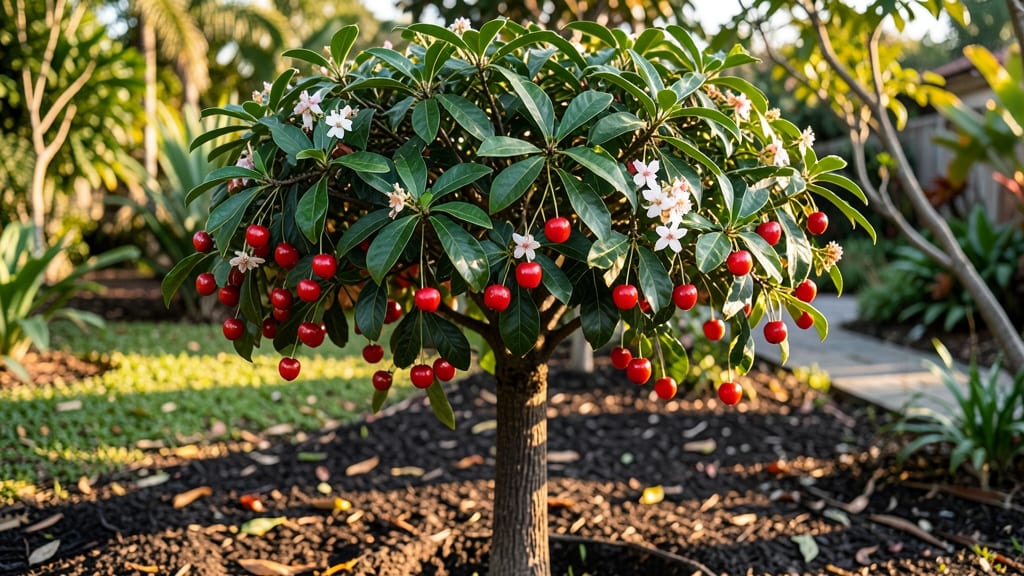
Wondering how tall do Eugenia plants grow before they outgrow your garden? These tropical beauties 🌿 can surprise you—some stay compact enough for containers, while others shoot up like small trees in just a few years.
The answer depends entirely on the species you choose. Dwarf varieties like Eugenia uniflora often max out around 10-15 feet, making them perfect for small yards or patio pots. But if you plant Eugenia jambolana, you’re looking at towering 20-30 feet trees that need serious space.
Pruning and planting conditions play a huge role too. With the right care, you can keep even large Eugenia varieties manageable—or let them grow wild if you have the room. I’ll show you exactly how to control their height and pick the perfect variety for your space.
Whether you’re dreaming of a cozy container Eugenia or a backyard centerpiece, knowing these growth habits will help you plan your garden like a pro. Let’s break down the details so you can grow with confidence.


Eugenia plant height ranges: from dwarf varieties to giant trees
Eugenia plants are incredibly diverse, with heights ranging from compact shrubs under 3 feet to towering trees exceeding 30 feet. The species you choose will determine whether your Eugenia stays cozy in a container or stretches toward the sky.
Understanding these height ranges helps you plan your garden layout and care routine effectively.
For small-space gardeners, dwarf varieties like Eugenia uniflora (Surinam cherry) typically reach 10–15 feet at maturity, making them ideal for patios or balconies. Meanwhile, standard varieties like Eugenia jambolana (black plum) can soar to 20–30 feet, requiring ample yard space or urban planning permits in some areas.
Here’s a quick breakdown of Eugenia height categories to help you visualize growth expectations:
| Category | Height Range | Growth Rate | Best For |
|---|---|---|---|
| Dwarf Varieties | 5–8 feet | Slow to moderate | Containers, small yards, balconies |
| Medium Shrubs | 10–15 feet | Moderate | Privacy screens, medium gardens |
| Standard Trees | 15–30 feet | Fast | Large landscapes, shade trees |
Growth rates vary by species and growing conditions. For example, Eugenia uniflora grows about 1–2 feet per year in ideal conditions, while Eugenia jambolana can add 3–5 feet annually when given plenty of sunlight and nutrients.
These differences mean your choice of Eugenia will impact not just your garden’s aesthetics but also your long-term maintenance efforts.
Climate plays a crucial role in Eugenia height. In tropical zones (USDA 10–12), Eugenia plants thrive and often reach their maximum height potential. However, in cooler climates (USDA 6a–9b), growth may slow, and mature heights could be 20–30% smaller without winter protection.
For instance, a 15-foot Eugenia uniflora in Florida might only reach 10–12 feet in California’s coastal regions.
Soil quality and drainage also influence height. Eugenia plants prefer well-draining, slightly acidic to neutral soil (pH 5.0–7.0). Poor drainage or compacted soil can stunt growth, while rich, loamy soil encourages taller, healthier plants.
Amending your soil with compost or organic matter before planting can make a noticeable difference in your Eugenia’s eventual height.
If you’re considering a container-grown Eugenia, expect heights to be 30–50% smaller than in-ground plants due to root restriction. For example, a 10-foot Eugenia uniflora in the ground might only reach 5–7 feet in a 20-gallon pot.
Regular pruning and repotting (every 2–3 years) can help maximize growth in containers.
Pruning is another key factor in managing height. Regular pruning not only controls size but also encourages denser foliage and better fruit production. For instance, pruning a 20-foot Eugenia jambolana back by one-third annually can keep it at a manageable 12–15 feet while maintaining its shape and health.
Now that you know the height ranges, you can confidently select the perfect Eugenia for your space—whether it’s a compact shrub for your patio or a towering tree for your backyard oasis. 🌳
Eugenia plant height ranges: from dwarf varieties to giant trees
When planning your garden, knowing how tall Eugenia plants grow is key to choosing the right variety. These tropical plants span a huge height range, from petite shrubs to towering trees. Let’s explore the three main categories so you can pick the perfect fit for your space.
First, consider dwarf Eugenia varieties, which typically stay under 8 feet tall. These are ideal for containers, small patios, or even indoor gardening. Next, medium-sized shrubs reach 10-15 feet, perfect for backyard borders or privacy screens.
Finally, tall Eugenia trees can soar to 30 feet or more, making them statement pieces for large landscapes.
🌱 Here’s a quick height comparison: A dwarf Eugenia uniflora might top out at 5-6 feet, while a mature Eugenia jambolana tree can dwarf a two-story building at 20-30 feet. Your choice depends on your garden’s scale and vision.
Your Eugenia’s growth rate also depends on climate and care. In USDA Zones 10-12, these plants thrive year-round, growing 1-2 feet per year. In cooler zones (like Zone 9), they may grow slower unless winter-protected. Pruning and pollarding can further control height, especially for large species.
For container gardening, stick to dwarf varieties like Eugenia uniflora and choose pots at least 2 feet wide to accommodate root growth. Larger trees need in-ground planting with 6-8 feet of clearance for mature branches. Always check your local climate’s frost risk—Eugenia hates cold snaps!
If you’re torn between height control and natural growth, remember: pruning in late winter encourages bushier, shorter growth. For tall varieties, consider pollarding (cutting back hard) to manage size while preserving fruit production.