
How To
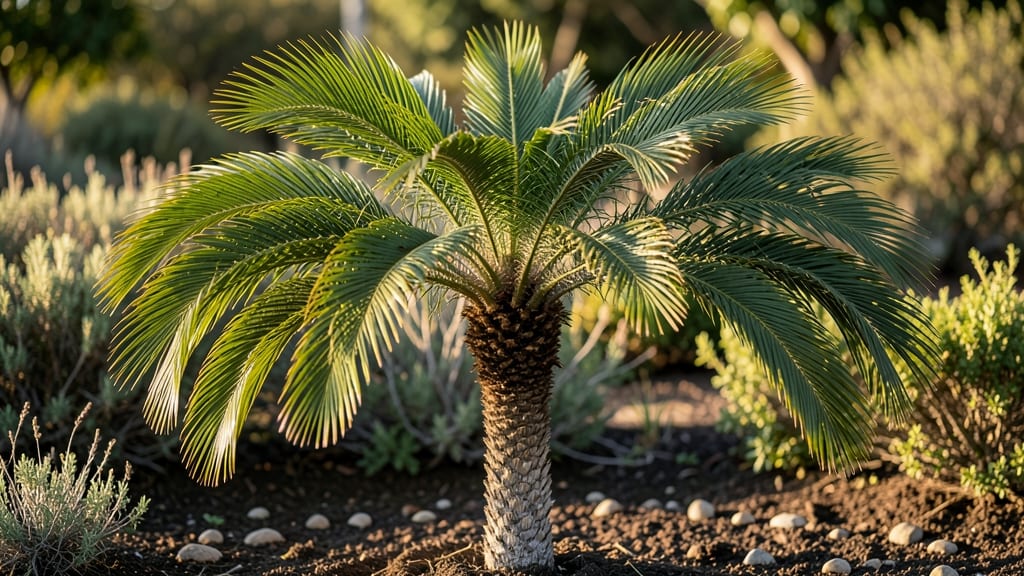
Foxtail palm height guide: mature sizes by variety and growing conditions
Foxtail palms (Wodyetia bifurcata) are one of the most striking ornamental palms for small spaces, but their mature height can vary dramatically based on growing conditions.
In ideal tropical climates, these palms can reach 15–25 feet, while in cooler regions or containers, they often stay between 10–15 feet. Understanding these ranges helps you plan your landscape without overcrowding your yard.
The standard foxtail palm typically grows 10–20 feet tall in USDA Zones 9–11, where they thrive year-round. However, in Zone 8 or cooler, growth slows significantly, often capping at 8–12 feet.
Even in optimal conditions, their growth rate is moderate—expect 1–2 feet per year during their fastest years (ages 3–10).
One key factor influencing height is sunlight exposure. Foxtail palms crave full sun (6+ hours daily) to reach their maximum height. In partial shade, they may only grow 50–70% of their potential height, often staying under 10 feet.
This makes them a great choice for small patios or balconies where space is limited.
Soil quality also plays a role. Well-draining, slightly acidic soil (pH 5.5–6.5) encourages faster, healthier growth, while clay-heavy or waterlogged soil can stunt height and lead to root rot. If you’re growing in containers, root restriction naturally limits height—many container-grown foxtail palms stay 6–10 feet even after years of care.
Now, let’s break down the height ranges by growing conditions in a clear summary table to help you visualize their potential in your space.
| Growing Condition | Height Range | Notes |
|---|---|---|
| Tropical Climate (Zones 9–11) | 15–25 ft | Fastest growth; full sun required |
| Cooler Climate (Zones 8) | 8–12 ft | Slower growth; may need winter protection |
| Partial Shade (4–6 hrs sun) | 6–10 ft | Smaller but denser foliage |
| Container-Grown (5+ gal pot) | 6–12 ft | Root-bound limits height; repot every 2–3 years |
| Poor Soil (Clay/Waterlogged) | 4–8 ft | Stunted growth; risk of disease |
If you’re wondering how long it takes to reach these heights, foxtail palms grow fastest between ages 3–10. A 3-year-old palm might only be 4–6 feet, while a 10-year-old could already be 12–15 feet tall.
This gradual growth makes them easier to manage in small gardens compared to faster-growing palms like coconut palms.
For those with limited vertical space, consider pruning techniques to control height while maintaining their iconic foxtail-shaped fronds. I’ll cover this in detail in the next section, but a light pruning every 2–3 years can keep a foxtail palm under 10 feet without sacrificing its tropical appeal.
Another way to influence height is by choosing the right location. In urban settings, foxtail palms planted near south-facing walls can grow 20–30% taller due to reflected sunlight.
Conversely, east or west exposures may limit height to 10–14 feet. Always prioritize full sun if you want a taller, more dramatic specimen.
Finally, remember that foxtail palms are not cold-hardy below Zone 8. In colder regions, they’ll either stay smaller or require container growing to overwinter indoors. This makes them a seasonal accent in temperate climates rather than a permanent fixture.
With the right conditions, a foxtail palm can become a stunning focal point—whether as a solitary statement plant or part of a small tropical garden.
Their versatile height means they work in everything from balcony pots to large backyard landscapes, as long as you plan for their growth potential early.
Foxtail palm height guide: mature sizes by variety and growing conditions
Foxtail palms (Wodyetia bifurcata) are prized for their unique, feathery fronds and compact stature compared to other tropical palms. On average, they reach 10 to 20 feet tall at maturity, making them ideal for small to medium-sized yards.
However, their exact height depends on variety, growing conditions, and care practices—let’s break down what influences their growth.
The standard foxtail palm typically grows 15 to 20 feet tall in optimal conditions, while young plants grow 2 to 3 feet in their first year and 4 to 6 feet by year two.
With proper care, they can add 3 to 5 feet annually until they reach maturity. In cooler climates (USDA Zones 9-11), growth may slow slightly, but they still thrive with the right conditions.
Here’s how sunlight, soil, and water impact their height:
- Full sun (6+ hours/day) encourages taller, bushier growth (up to 20 feet).
- Partial shade may result in shorter, leggier fronds (10–15 feet).
- Well-draining, sandy soil promotes healthier root systems, supporting taller growth.
- Overwatering can stunt growth or cause root rot, limiting height potential.
| Growth Stage | Height Range | Time to Reach | Ideal Conditions |
|---|---|---|---|
| Year 1 | 2–3 feet | First growing season | Bright light, moist soil |
| Year 2–3 | 4–10 feet | 2–3 years | Full sun, well-draining soil |
| Mature (5+ years) | 10–20 feet | 5–10 years | Consistent care, tropical climate |
| Container-Grown | 6–12 feet | 3–7 years | Large pot, regular pruning |
If you’re wondering whether foxtail palms will outgrow your space, consider their growth rate and pruning potential. While they can reach 20 feet, their slow-to-moderate growth (compared to bamboo or fast-growing trees) means you’ll have years to monitor and manage their height.
For smaller gardens, opt for container planting or regular pruning to keep them under 10 feet without sacrificing their iconic look.
One common misconception is that foxtail palms require tropical climates to reach their full height. While they thrive in USDA Zones 9–11, they can still grow 10–15 feet in Zone 8 with winter protection (mulch, frost cloth).
In cooler regions, their growth may be slightly slower, but they remain hardier than many palms and adapt well to container life if moved indoors during winter.
To maximize height while keeping your palm healthy and manageable, focus on:
- Balanced fertilization (6-6-6 NPK) in spring and summer.
- Deep watering (1–2 gallons per week) to encourage root depth.
- Annual pruning to remove dead fronds and shape growth.