
Plants
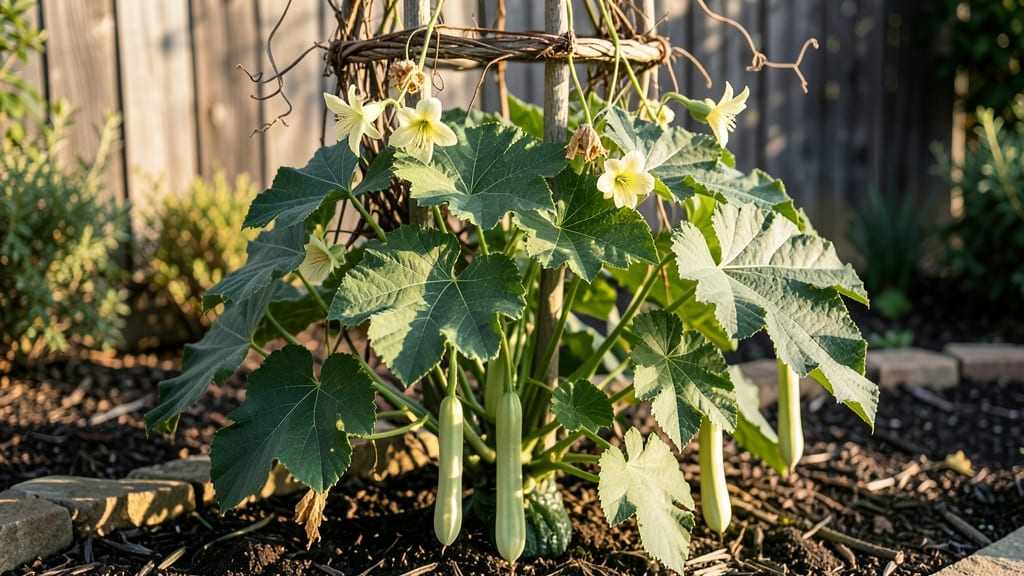
Loofah plant height guide: how tall they grow in different climates
Loofah plants (Luffa aegyptiaca) are fast-growing vines that can transform your garden into a vertical jungle if left unchecked. In tropical climates, these plants often reach 20–30 feet with ideal conditions, while temperate zones typically see 10–20 feet of growth.
The key difference lies in season length and temperature consistency—longer growing seasons fuel taller vines.
If you're in USDA zones 9–11, expect aggressive growth with 30-foot vines possible, especially if you provide strong trellis support and consistent moisture. In zones 6–8, vines usually max out at 15–20 feet due to shorter summers and cooler nights.
Even in cooler areas, early planting and season extenders can push heights closer to 18 feet.
Your loofah’s first year will surprise you—6–10 feet of growth is normal if planted in warm soil after frost. By year two, expect 10–15 feet, and mature plants (3+ years) can hit 20 feet if given unrestricted vertical space.
Without proper support, vines sprawl horizontally, wasting energy that could fuel upward growth.
Climate matters more than variety for height. While some dwarf varieties exist (like 'Tiger Loofah'), they still reach 6–10 feet—just with thicker stems and shorter internodes. For maximum height, choose standard loofah varieties and prioritize trellising from day one.
Here’s how seasonal changes impact growth: - Spring (planting): Slow start until soil hits 60°F+.
Vines grow 1–2 feet/month early on. - Summer (peak): 3–5 feet/month if watered deeply and fertilized every 4–6 weeks. - Fall (slowdown): Growth halts near first frost (vines die back but regrow from roots in warm climates).
Pro tip: In short-season areas, plant near a south-facing wall or use a greenhouse to extend the growing window. This can add 2–4 extra feet of vine length before frost.
🌱
Loofah Plant Height by Climate Zone
| Climate Zone | Season Length | Mature Height (ft) | Growth Rate (ft/month) | Key Consideration |
|---|---|---|---|---|
| Tropical (Zones 10–11) | 12+ months | 20–30 ft | 4–6 ft/month | Year-round growth; minimal frost risk |
| Temperate (Zones 7–9) | 6–8 months | 15–20 ft | 3–5 ft/month | Frost-sensitive; plant after last frost |
| Cool Temperate (Zones 6–8) | 4–6 months | 10–15 ft | 2–4 ft/month | Short season; use trellises for vertical space |
| Container Growth (Any Zone) | 3–5 months | 6–12 ft | 1–3 ft/month | Limited by pot size; prune aggressively |
🌿 Note: Heights assume full sun, trellis support, and consistent care. Without support, vines sprawl and may not reach full potential.
If you’re in a cooler zone, pruning can redirect energy to thicker vines and more loofahs instead of height. Focus on removing side shoots below 6 feet to encourage vertical growth.
In warmer zones, minimal pruning is needed—let vines climb freely for maximum height and abundant fruit.
Soil health also plays a role. Well-draining, fertile soil with compost can boost growth by 20–30%. Test your soil’s pH (6.0–6.8)—loofahs thrive in **s
Optimal spacing and support systems for loofah vines
Loofah vines can spiral out of control if left unsupported, but with the right spacing and trellis setup, you can channel their growth into a productive, space-efficient garden feature.
These plants thrive when given room to climb—typically reaching 10 to 20 feet—but their height is directly tied to how you train them. Without proper support, expect tangled messes and stunted fruit production.
For trellis-supported loofahs, space plants 3 to 5 feet apart along the base of your trellis or fence. This gives vines enough room to spread horizontally while climbing vertically.
If using a cage or arbor system, increase spacing to 6 feet to prevent overcrowding, which can lead to disease and poor air circulation.
| Support Type | Spacing (ft) | Max Height (ft) | Best For |
|---|---|---|---|
| Trellis | 3–5 | 15–20 | Vertical gardens, small yards |
| Fence | 6–10 | 20–30 | Large backyards, rural areas |
| Arbor/Cage | 5–7 | 12–18 | Balconies, patio containers |
When choosing a support structure, opt for sturdy materials like bamboo, metal, or wooden trellises that can handle 15+ pounds of vine weight per plant. Loofahs are aggressive climbers, so avoid flimsy netting or wire cages that may snap under pressure.
For horizontal growth, train vines along a fence or pergola, but be prepared for vines to stretch 10+ feet wide if unpruned.
Pruning is key to controlling height while maximizing fruit production. Pinch back new shoots to 12 inches early in the season to encourage bushier growth with more female flowers (which produce fruit).
Later in the season, trim overgrown vines to redirect energy to developing loofahs. Never remove more than 30% of the vine at once to avoid shocking the plant.
If you’re growing loofahs in containers, use large pots (at least 15-gallon capacity) with a built-in trellis. Container-grown loofahs will top out around 8 to 12 feet due to limited root space, but they still require daily training to climb.
Place containers near a south-facing wall to maximize sunlight exposure, which is critical for vine strength and fruit development.
Remember, loofahs are fast growers—some varieties can add 2 feet of vine per week in ideal conditions. Start training vines early (within 4–6 weeks of germinationproductive, eye-catching garden feature instead of a jungle.