
Plants
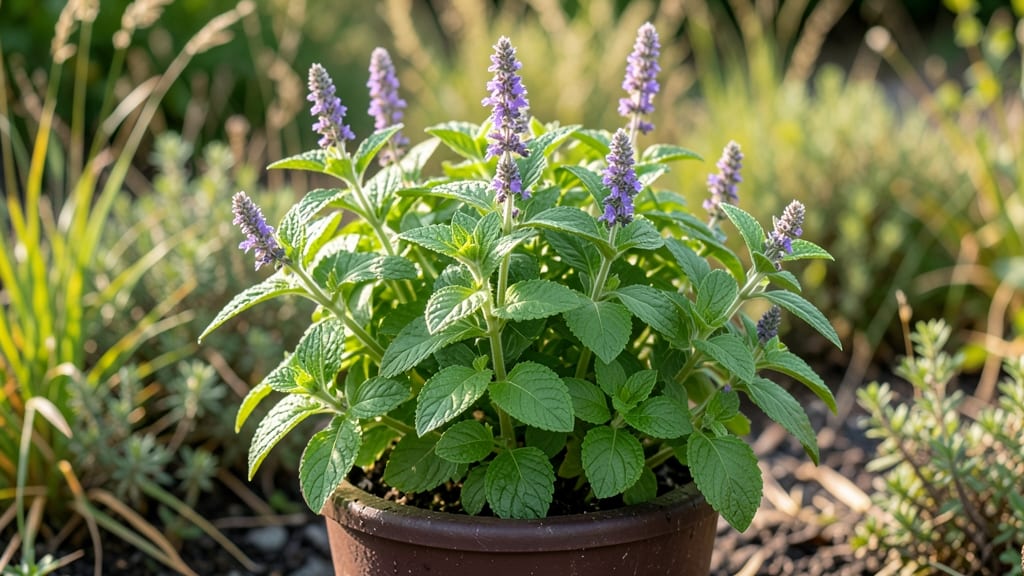
If you're wondering how tall do peppermint plants grow, you're not alone—many gardeners assume these fragrant herbs will tower like small shrubs. The truth?
Peppermint (Mentha × piperita) typically stays between 1 to 3 feet tall, but its real secret weapon is its aggressive horizontal spread, which can turn your neat garden into a minty jungle if left unchecked.
This medium-height herb thrives in USDA Zone 6a and beyond, especially when planted in spring (April–May). While its upright stems reach a manageable height, its roots spread rapidly, making it a perfect candidate for containers if you want to keep it contained.
The key to controlling its size lies in understanding its growth habits and when to prune.
Whether you're growing peppermint for tea, cooking, or just the aroma, knowing how to manage its height will save you from a yard full of sprawling stems. I’ll show you pruning techniques that keep it lush but controlled, so you can enjoy fresh mint without the chaos.
Ready to turn your peppermint patch from a wild spread into a tidy, aromatic garden? Let’s dive into the details—because with the right approach, you can have your mint and your yard too.


Natural height range of peppermint plants: what to expect year-round
Peppermint (Mentha × piperita) typically reaches a mature height of 12–36 inches under ideal conditions, but its spread is what truly defines its growth pattern. Unlike upright herbs, peppermint grows in low, bushy mounds that spread aggressively if left unchecked.
This sprawling habit is why many gardeners prefer growing it in containers or raised beds.
In its first growing season, peppermint plants usually stay between 12–24 inches tall with a similar spread. By the second year, established plants can reach 24–36 inches in both height and width, especially in fertile, moist soil with partial sunlight.
The key to managing its size lies in understanding its rhizomatous root system, which sends out runners underground.
Climate plays a huge role in peppermint’s height. In cooler climates (USDA Zones 3–7), growth may be slower, with plants maxing out at 18–24 inches.
Meanwhile, in warmer regions (Zones 8–10), peppermint can grow 36 inches or taller if given ideal conditions. Humidity levels also matter—higher humidity encourages lush, dense foliage, while dry air can stunt growth slightly.
Seasonal variations are another factor. In spring and summer, peppermint grows most vigorously, with new shoots emerging rapidly. By fall, growth slows as the plant prepares for dormancy, often dropping 10–20% in height due to frost or reduced sunlight.
In winter, peppermint may die back to the ground in colder zones but regrows from roots in spring.
Here’s a quick comparison to other mint varieties: Spearmint grows slightly taller (up to 48 inches), while apple mint stays shorter (12–24 inches). Peppermint’s compact yet sprawling nature makes it unique—it’s taller than basil but shorter than rosemary, fitting well in herb gardens where space is limited.
Soil type also influences height. Peppermint thrives in rich, well-draining soil with a pH of 6.0–7.0. Poor drainage or clay-heavy soil can stunt growth, while sandy loam encourages taller, bushier plants. Always amend soil with compost or organic matter before planting to promote healthy growth.
Light exposure is critical. While peppermint tolerates partial shade (4–6 hours of sun), it grows 20–30% taller with morning sunlight and afternoon shade. Direct afternoon sun can scorch leaves, leading to stunted growth or leggy stems. If growing indoors, place near an east-facing window for optimal light.
Now, let’s break down peppermint’s growth stages in a clear, visual format to help you plan your garden layout and maintenance schedule.
| Growth Stage | Height Range | Spread Range | Best Conditions |
|---|---|---|---|
| Seedling (0–4 weeks) | 2–6 inches | 2–4 inches | Partial shade, moist soil |
| Establishment (4–12 weeks) | 12–24 inches | 12–18 inches | 4–6 hours sun, rich soil |
| Mature (12+ months) | 24–36 inches | 24–36 inches | Partial sun, consistent moisture |
| Winter Dormancy | Dies back to ground | Root system survives | Mulch for protection |
🌱 Pro Tip: Use containers with 12+ inch depth to limit spread while allowing full height growth.
Understanding these stages helps you time pruning and harvesting effectively. For example, harvesting leaves in late spring or early summer encourages bushier growth, while fall pruning prepares the plant for winter. Always leave at least 2–3 inches of stem when pruning to avoid damaging the root system.
If you’re growing peppermint in containers, choose pots that are at least 12 inches deep and wide to accommodate its root spread. For in-ground planting, space plants 18–24 inches apart to prevent overcrowding.
Without proper spacing, peppermint can double its spread in just one growing season, quickly turning a small garden into a mint jungle.
To keep your peppermint plants at a manageable height (12–24 inches), combine regular pruning with container growing. This approach ensures you enjoy fresh mint without sacrificing garden space to its aggressive spread. Next, we’ll dive into 5 pruning techniques to control height naturally while keeping your plants thriving.
Natural height range of peppermint plants: what to expect year-round
Peppermint plants (Mentha × piperita) typically reach heights of 12 to 36 inches under ideal conditions, but their growth habits go beyond just vertical height. These hardy herbs are aggressive spreaders, often forming dense mats that can cover 3 to 5 feet wide if left unchecked.
Understanding their natural growth patterns helps you plan for containment while enjoying their fragrant foliage.
In their first growing season, peppermint plants usually stay between 1 to 2 feet tall, with rapid growth occurring in spring and summer. By their second year, mature plants can easily reach 2 to 3 feet tall, especially in fertile soil with consistent moisture.
The key to managing their height lies in their spreading rhizomes, which allow them to colonize large areas effortlessly.
| Stage | Height Range | Spread Width | Seasonal Notes |
|---|---|---|---|
| Spring (New Growth) | 12–24 inches | 1–2 feet | Rapid vertical growth; rhizomes begin spreading. |
| Summer (Peak) | 24–36 inches | 3–5 feet | Full maturity; aggressive horizontal spread. |
| Fall (Declining) | 12–24 inches | Stabilizes | Growth slows; prepare for winter dormancy. |
| Winter (Dormant) | Ground level | Rhizomes survive underground | No growth; mulch to protect roots. |
Climate plays a significant role in peppermint’s height. In cooler regions (USDA zones 3–7), plants may stay shorter—around 12 to 24 inches—due to slower growth rates.
Conversely, in warmer zones (8–10), they can exceed 3 feet tall with lush, sprawling foliage. Sunlight exposure also matters: while peppermint thrives in partial shade (4–6 hours of sun), too much direct sunlight can stunt growth or cause leaf scorch.
To maintain a manageable height, consider planting peppermint in containers with drainage holes, which restricts rhizome spread. If growing in the ground, use physical barriers like edging or pots sunk into the soil to contain the plant.
Regular pruning—especially after flowering—helps redirect energy toward bushier, shorter growth rather than tall, leggy stems.
Peppermint’s height isn’t just about vertical growth; it’s about controlling its horizontal spread to keep your garden tidy. With the right techniques, you can enjoy its aromatic leaves without sacrificing yard space.
Start by choosing the right location and tools, and you’ll be well on your way to a fragrant, well-managed peppermint patch.
🌿