
How To
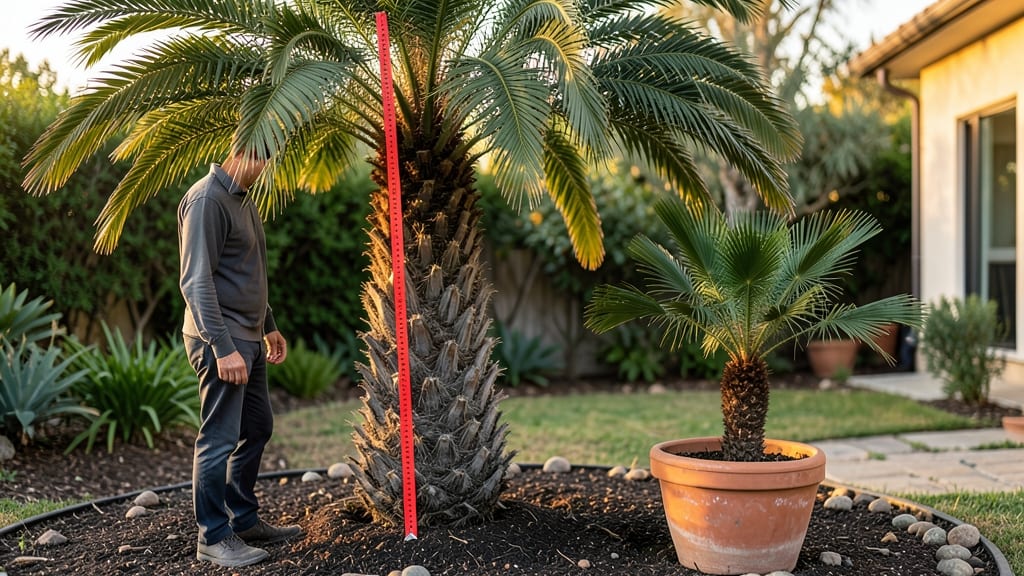
Wondering how tall do Phoenix roebelenii palms grow before you commit to planting one? This elegant 🌴 isn't just a pretty face—it's a compact powerhouse that thrives in both desert landscapes and cozy patios.
At maturity, the Robelen Palm typically reaches 6–12 feet tall, making it the perfect size for adding tropical flair without overwhelming your space. Whether you're planting in Zone 9b's desert climate or a container on your balcony, understanding its growth habits is the key to keeping it happy and healthy.
What makes this palm so special? Unlike its larger cousins, the Robelen grows at a steady pace—adding about 1–2 feet per year—so you won't be surprised by sudden height spikes.
Plus, its adaptability means it's just as content in a sunny courtyard as it is indoors near a south-facing window.
Ready to learn how to maximize its growth and avoid common mistakes that stunt its size? Let's dive into everything you need to know to help your Robelen Palm reach its full potential—without taking over your yard.


Phoenix roebelenii palm mature height: what to expect at full growth
The Phoenix roebelenii, or pygmy date palm, is a stunning tropical plant that adds year-round interest to gardens. But how tall does it grow? On average, this palm reaches 6 to 12 feet tall at maturity, making it a versatile choice for both indoor and outdoor spaces.
Its growth rate is moderate, with most plants hitting 4–6 feet in 3 years and reaching full height in 5–10 years, depending on growing conditions.
Unlike larger palms, the Robelen palm stays compact, making it ideal for small yards, patios, or even large indoor spaces. Its slow-to-moderate growth means you won’t need to prune aggressively, but regular care ensures it stays healthy and reaches its maximum potential height.
Whether you’re planting in containers or in the ground, understanding its growth habits helps you plan spacing and maintenance.
Phoenix Roebelenii Growth Summary
| Growth Stage | Height Range | Time to Reach |
|---|---|---|
| Year 1 | 1–2 ft | First year |
| Year 2 | 3–4 ft | Second year |
| Year 3 | 4–6 ft | Third year |
| Mature Height | 6–12 ft | 5–10 years |
Height varies based on growing conditions like sunlight, soil, and container size.
One key factor influencing height is whether you plant it in containers or in the ground. In pots, Phoenix roebelenii typically stays shorter—6–8 feet tall—because root growth is restricted. However, when planted in well-draining garden soil, it can reach its full 10–12-foot potential.
If you’re growing it indoors near a south-facing window, expect slightly slower growth due to limited sunlight exposure.
Sunlight plays a huge role in determining how tall your palm grows. This species thrives in full sun (6+ hours daily), which encourages faster, healthier growth. In partial shade, growth may slow, and the palm could stay 2–3 feet shorter than its maximum height.
If you live in a cooler climate (USDA Zones 9–11), providing bright, indirect light helps maintain its compact form while keeping it lush.
Soil quality also affects height. Well-draining, sandy loam is ideal, as soggy soil can stunt growth or even kill the plant. Amending heavy clay with compost or perlite improves drainage and supports robust root development.
Over time, healthy roots lead to stronger stems and taller growth. Avoid nutrient-poor soil, which can limit the palm’s ability to reach its full height.
When comparing Phoenix roebelenii to other dwarf palms, it stands out for its versatility and adaptability. For example, the Chamaedorea elegans (parlor palm) maxes out at 3–6 feet, making it better for small spaces, while the Washingtonia filifera (California fan palm) grows 30–60 feet tall.
The Robelen palm strikes a balance, offering a medium-sized tropical look without overwhelming your landscape.
If you’re planning to plant multiple palms, consider their mature size when spacing them out. 6–8 feet apart ensures each plant has enough room to grow without competing for sunlight or nutrients.
In containers, choose pots that are at least 12–18 inches wide to accommodate root growth and prevent height restrictions. Proper spacing also improves air circulation, reducing the risk of fungal diseases that can slow growth.
To encourage optimal growth, fertilize your Phoenix roebelenii with a balanced, low-nitrogen fertilizer (6-6-6 or 8-3-9) every 4–6 weeks during spring and summer. Avoid over-fertilizing, which can lead to salt buildup in the soil and stunt growth.
Pair fertilization with deep watering to help nutrients reach the roots, promoting steady height increases over time.
With the right care, your Robelen palm will grow into a stunning focal point in your garden or home. Whether you’re aiming for a 6-foot indoor specimen or a 10-foot outdoor statement, understanding its growth habits ensures you’ll achieve the perfect height for your space. 🌴
Phoenix roebelenii palm mature height: what to expect at full growth
The Phoenix roebelenii, or pygmy date palm, is a compact yet striking tropical plant that typically reaches 6 to 12 feet tall at maturity.
In ideal conditions, it can grow slightly taller, but most gardeners find it stays within the 8 to 10-foot range, making it perfect for smaller landscapes or containers. Unlike its larger cousins, this palm grows slowly, gaining only 1 to 2 feet per year under optimal care.
If you're growing your Robelen palm indoors, expect it to stay on the shorter end of the spectrum—6 to 8 feet tall—due to limited space and light. Outdoors, especially in USDA Zone 9b or warmer climates, it thrives and reaches its full potential.
The key to maximizing height lies in providing full sun exposure and well-draining soil, which encourages steady, healthy growth.
| Growth Stage | Height Range | Time to Reach |
|---|---|---|
| Year 1 | 1–2 ft | First year |
| Year 2–3 | 3–6 ft | 2–3 years |
| Mature (Outdoors) | 6–12 ft | 5–7 years |
| Mature (Indoors) | 6–8 ft | 5–10 years |
One common misconception is that Phoenix roebelenii palms stay tiny forever. While they are smaller than Canary Island date palms or Mexican fan palms, they do grow—just more slowly.
If you notice your palm staying under 3 feet after 3 years, it might be due to poor sunlight, root-bound containers, or nutrient deficiencies. Adjusting these factors can encourage faster growth.
For those with limited space, consider pruning older fronds to maintain a neater, bushier look while still allowing the palm to reach its full height potential. This practice also improves airflow, reducing the risk of fungal diseases that can stunt growth.
Regular pruning every 1–2 years keeps your palm healthy and looking its best.
If you're comparing Phoenix roebelenii to other dwarf palms like the Kentia palm or Parlor palm, remember that this species is one of the hardiest and fastest-growing options for outdoor tropical landscapes.
Its arching fronds and clumping habit make it a standout choice for small yards, patios, or even large containers.
To ensure your Robelen palm reaches its full height, prioritize well-draining soil, consistent sunlight, and moderate watering. With the right care, you’ll enjoy its lush, tropical beauty for decades—without it becoming an unmanageable giant. 🌴