
Plants
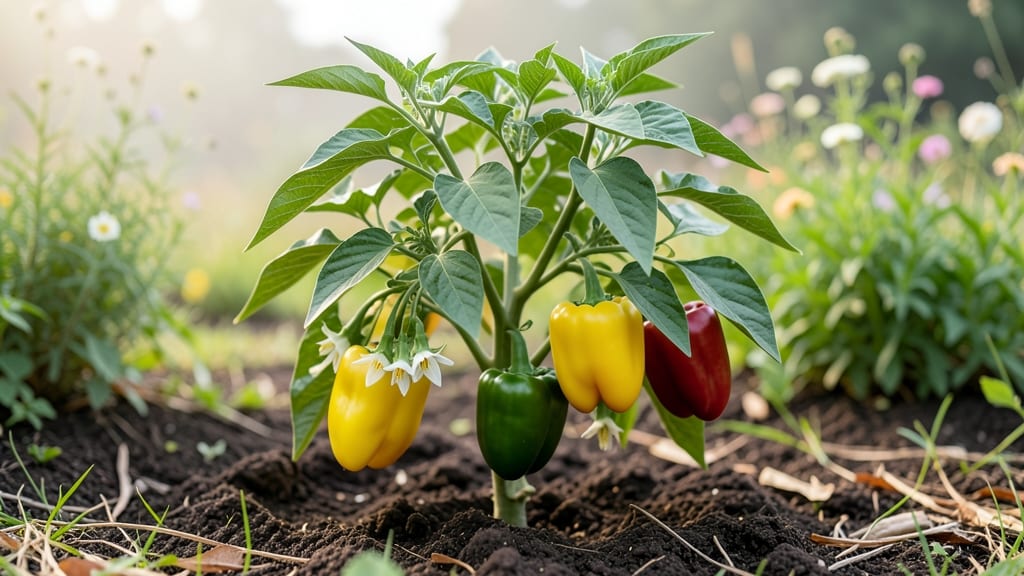
If you’re eyeing that sunny corner of your garden for Sweet Pepper 🌶️ plants, you might be wondering: How tall do these plants actually grow? The answer isn’t one-size-fits-all—some varieties stay compact enough for containers, while others stretch tall enough to need support.
Getting this right means better airflow, easier harvesting, and way fewer wasted plants.
Most standard sweet pepper varieties reach a mature height of 3–4 feet, but dwarf types can stay as short as 1–2 feet. That means whether you’re working with a balcony pot or a full garden bed, spacing matters.
Plant them too close, and you’ll end up with crowded, disease-prone bushes. Too far apart, and you’re leaving precious garden real estate empty.
Here’s the good news: with the right variety and a few simple spacing tricks, you can maximize your harvest—even in tight spaces.
I’ll break down the height ranges for popular types, show you how to tell if your plants need more room (or a trellis), and share pro tips to keep them thriving from seed to harvest.
Ready to grow peppers that fit your space and your schedule? Let’s dive into the heights, spacing secrets, and care hacks that’ll turn your garden into a pepper powerhouse.


Sweet pepper plant heights by variety: compact vs. towering types
Sweet pepper plants aren't one-size-fits-all—their mature heights can range from dwarf varieties under 2 feet to tall types reaching 4 feet or more.
Understanding these differences helps you choose the perfect variety for your garden layout, whether you're working with a small balcony container or a sprawling backyard plot. The height also impacts spacing, sunlight exposure, and even how you'll harvest those sweet, colorful peppers.
Most home gardeners grow standard sweet pepper varieties that reach 3-4 feet tall, but don't be surprised if your 'Jupiter' peppers stretch toward the sky like miniature trees. Meanwhile, bush-type varieties like 'Sweet Banana' stay compact, making them ideal for container gardening or tight spaces.
Knowing these differences ensures you avoid overcrowding, which can lead to poor air circulation and disease issues.
Let's break down the most popular sweet pepper varieties by height, growth habit, and ideal spacing. This will help you visualize how they'll fit into your garden and plan accordingly. Whether you're a beginner gardener or a seasoned pro, these details will guide your planting strategy for a productive harvest.
| Variety | Height Range | Growth Habit | Ideal Spacing | Notes |
|---|---|---|---|---|
| Dwarf Varieties | 1-2 ft | Bushy, compact | 12-18 inches apart | Perfect for containers or small gardens |
| Sweet Banana | 2-3 ft | Bushy, upright | 18-24 inches apart | Great for small spaces, prolific producer |
| California Wonder | 3-4 ft | Bushy, spreading | 24-30 inches apart | Classic variety, needs support |
| Jupiter | 4-5 ft | Tall, upright | 30-36 inches apart | Needs staking, large fruit |
| Arpad F1 | 3-4 ft | Bushy, compact | 18-24 inches apart | Disease-resistant, great for containers |
| Sweet Chocolate Bell | 3-4 ft | Bushy, spreading | 24-30 inches apart | Unique chocolate-colored peppers |
If you're growing sweet peppers in containers, opt for dwarf or semi-dwarf varieties like 'Sweet Banana' or 'Arpad F1'. These stay under 3 feet tall and thrive in 5-gallon pots with proper drainage.
For in-ground planting, taller varieties like 'California Wonder' or 'Jupiter' need more space to avoid competition for nutrients and sunlight.
Pro tip: If you love the idea of tall sweet peppers but have limited space, consider trellising or staking. Varieties like 'Jupiter' can grow vertically, saving horizontal garden real estate while still producing large, beautiful peppers. Just make sure
Sweet pepper plant heights by variety: compact vs. towering types
Sweet pepper plants come in a surprising range of heights—from compact dwarf varieties that stay under 2 feet to towering tall-growing types reaching nearly 4 feet. Choosing the right variety for your space isn't just about aesthetics; it directly impacts your harvest yield and plant health.
For example, 'Sweet Banana' peppers stay bushy and low, while 'Jupiter' varieties can grow tall and leggy if not properly supported.
Understanding these height differences helps you plan your garden layout. Dwarf varieties are perfect for container gardening or small spaces, while taller varieties thrive in raised beds or along fences. Even a 1-foot difference in height can mean the difference between a crowded, struggling plant and one that produces abundantly.
Let’s break down the most common types and their ideal spacing.
🌱 Sweet Pepper Varieties by Height & Spacing
| Variety | Height Range | Growth Habit | Ideal Spacing |
|---|---|---|---|
| Sweet Banana | 1–2 ft | Bushy, compact | 12–18 inches apart |
| California Wonder | 2–3 ft | Medium bush | 18–24 inches apart |
| Jupiter | 3–4 ft | Tall, indeterminate | 24–36 inches apart (or trellis) |
| Aristotle | 2–3 ft | Bushy, prolific | 18–24 inches apart |
| Little Sweet | 1–1.5 ft | Dwarf, perfect for pots | 12 inches apart |
💡 Pro Tip: Always check seed packets for variety-specific details—some 'tall' types can be pruned to stay shorter!
If you’re working with limited garden space, opt for dwarf or semi-dwarf varieties like 'Little Sweet' or 'Aristotle'. These stay low to the ground, making them ideal for container gardening or small raised beds.
Meanwhile, taller varieties like 'Jupiter' need room to stretch or a trellis system to prevent sprawling and disease.
Another key factor is sunlight exposure. Taller varieties may need vertical support to ensure their lower leaves get adequate light, which is crucial for fruit production. Without proper spacing or support, you risk shady spots on the plant, leading to fewer peppers or poor-quality harvests.
Always plant taller varieties on the north side of your garden to avoid shading shorter plants.
For urban gardeners or those with balcony spaces, consider bush-type varieties that stay under 2 feet. These are perfect for 5-gallon containers or hanging baskets, as long as you use a well-draining potting mix and fertilize regularly.
Even in tight spaces, you can achieve a bountiful harvest with the right variety and care.
Remember, height isn’t the only factor—spread matters too! Some varieties, like 'California Wonder', have a wider footprint, while others like 'Sweet Banana' stay neatly compact. Always measure your space before planting to avoid overcrowding, which can lead to pests, diseases, and stunted growth.
With the right variety and spacing, your sweet peppers will thrive—and so will your garden layout! 🌿