
Trees
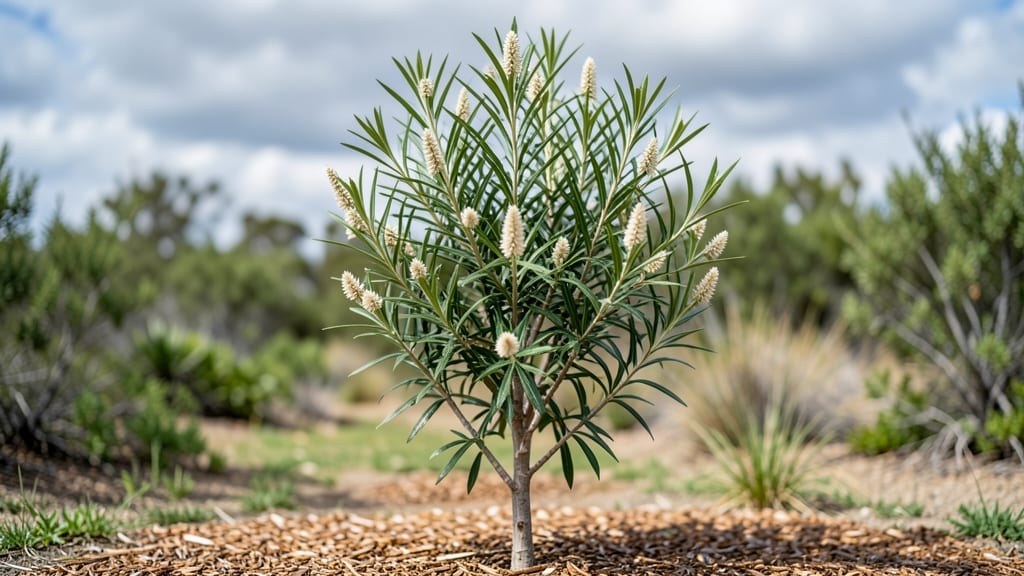
Ever wondered how tall your tea tree (🌿 Melaleuca alternifolia) could grow—or if it’ll take over your garden? The answer depends entirely on the variety you choose, with heights ranging from a compact 3 feet to towering 20 feet giants.
For most home gardeners, tea trees typically mature between 6 and 15 feet, making them perfect for hedges, borders, or even small privacy screens. But dwarf varieties like 'Little Joe' stay under 4 feet, while standard types can reach basketball-hoop height.
What’s even more surprising? Their growth speed—some varieties gain 2 feet per year in ideal conditions, while others grow slower. Pruning plays a huge role here, too, as it can keep even fast-growing trees in check.
Whether you’re planning a cozy corner garden or a fragrant living fence, understanding these height variations is the key to picking the perfect tea tree for your space. Let’s break down the options so you can make an informed choice!


Tea tree height by variety: from compact dwarf to towering giants
Tea trees—specifically Melaleuca alternifolia—come in a stunning range of heights, from tiny dwarf varieties perfect for containers to towering shrubs that create natural privacy screens. The mature height you’ll achieve depends entirely on the cultivar you choose, with some reaching 20 feet while others stay under 4 feet.
Understanding these differences helps you plan your garden layout and avoid overcrowding or wasted space.
For example, the 'Little Joe' variety tops out at just 3-4 feet, making it ideal for small yards or patio planters. In contrast, the 'Aura' cultivar can soar to 20+ feet, perfect for large landscapes or windbreaks.
Even within the same variety, pruning habits and growing conditions can influence final height by 30-50%.
Here’s a quick look at how tea tree heights break down by category to help you visualize your options:
| Variety | Mature Height | Growth Rate | Ideal Spacing | Best For |
|---|---|---|---|---|
| 'Little Joe' | 3–4 ft | 6–12 in/year | 2–3 ft apart | Containers, borders, small yards |
| 'Aura' | 15–20 ft | 12–18 in/year | 10–12 ft apart | Privacy screens, large gardens |
| 'Lemon Scented' | 6–10 ft | 8–12 in/year | 5–6 ft apart | Medium hedges, pollinator gardens |
| 'Nana' | 4–5 ft | 4–8 in/year | 3–4 ft apart | Patio pots, foundation plantings |
| 'Minima' | 5–7 ft | 6–10 in/year | 4–5 ft apart | Small hedges, mixed borders |
| 'Alba' | 10–15 ft | 10–14 in/year | 8–10 ft apart | Tall hedges, wildlife habitats |
All heights are approximate and may vary based on pruning and soil conditions.
If you’re working with limited space, dwarf varieties like 'Little Joe' or 'Nana' are game-changers. They thrive in 5-gallon containers and can be pruned to maintain a neat, bushy shape year-round.
Meanwhile, taller varieties like 'Aura' or 'Alba' are better suited for rural properties or large urban lots where they can spread their wings—and their fragrant leaves.
One common misconception is that all tea trees grow at the same rate. In reality, dwarf varieties may take 3-5 years to reach their mature height, while tall cultivars can add 2-3 feet annually during their first decade.
This growth spurt means planning ahead if you’re aiming for a privacy hedge—you’ll want to space plants accordingly to avoid overcrowding as they fill out.
For urban gardeners, semi-dwarf varieties like 'Lemon Scented' or 'Minima' strike the perfect balance. They offer height without bulk, making them ideal for narrow yards or mixed borders. Plus, their lemony aroma repels pests naturally, adding a dual benefit to your garden design.
When selecting a tea tree, consider not just its mature height but also its growth habit. Some varieties, like 'Aura', grow in a pyramidal shape, while others, like 'Little Joe', stay round and compact.
This difference affects how you’ll use the plant—whether as a solitary specimen, a hedge row, or a container feature.
Pro tip: If you’re unsure about a variety’s final size, check the nursery tag or ask the grower for mature height projections. Many nurseries now label tea trees with height ranges, which can save you from unexpected overgrowth down the line.
And remember, pruning young can influence height—cutting back 1/3 of new growth in spring encourages bushier, shorter plants.
Whether
How fast do tea trees grow? Growth rate timeline by height category
Tea trees (Melaleuca alternifolia) grow at different speeds depending on their variety and growing conditions. Understanding their growth rate helps you plan for spacing, pruning, and even harvesting.
Dwarf varieties like 'Little Joe' can reach maturity in just 2-3 years, while standard types like 'Aura' may take 5-7 years to hit their full height potential.
For most tea trees, the first year is all about establishing roots. You’ll see 1-2 feet of growth if planted in ideal conditions—well-draining soil and full sun. By year two, growth accelerates, with many varieties adding 2-3 feet annually.
This rapid growth phase continues until the tree reaches its mature height, which can vary from 3 feet for dwarfs to 20+ feet for giants.
To encourage faster growth, focus on soil health and watering consistency. Tea trees thrive in well-draining, slightly acidic soil (pH 5.0-6.5). If your soil is heavy clay, amend it with compost or sand to improve drainage.
During the growing season, water deeply once a week to establish strong roots. Once established, tea trees become drought-tolerant, but young plants need regular moisture to reach their full potential height.
Pruning plays a crucial role in controlling growth and shaping your tea tree. If you’re growing a dwarf variety in a container, prune lightly in early spring to encourage bushier growth.
For taller varieties, prune in late winter to remove dead wood and shape the tree. Avoid heavy pruning, as it can stress the plant and slow growth.
One common misconception is that all tea trees grow at the same rate. In reality, genetics and care determine speed. For example, 'Lemon Scented' tea trees grow 2-3 feet per year in ideal conditions, while 'Niaouli' varieties may grow more slowly.
If you’re planting multiple tea trees, space them according to their mature height to avoid overcrowding and competition for nutrients.
If you’re growing tea trees for their leaves (common in aromatherapy), you’ll want to harvest year-round but focus on new growth in spring for the strongest scent. Prune lightly after harvesting to maintain shape and encourage continuous growth.
With proper care, a well-established tea tree can produce harvestable leaves for decades, making it a low-maintenance yet high-reward addition to your garden.
🌿