
Trees
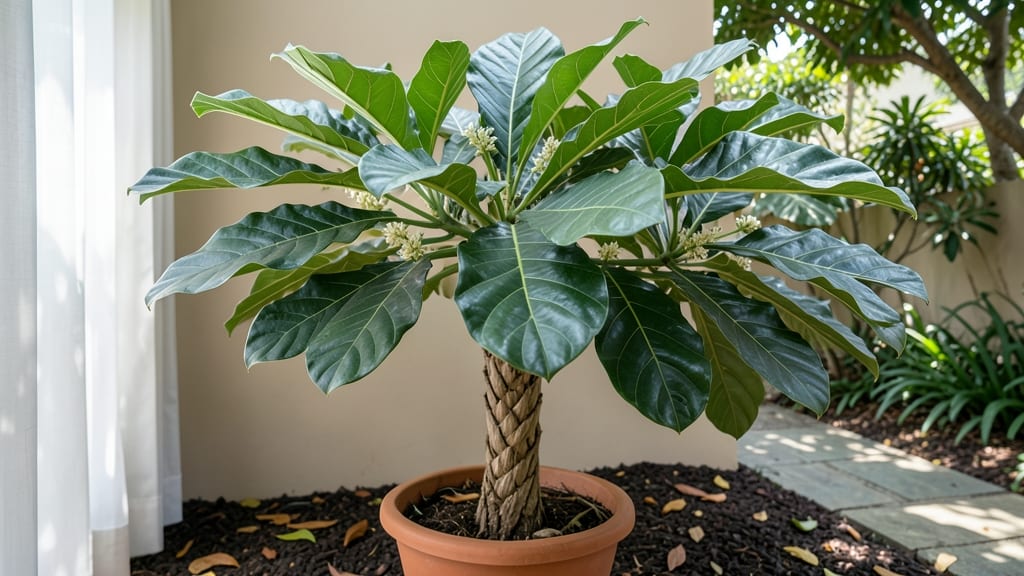
If you're wondering how tall do umbrella trees grow, you're not alone—this striking 🌳 with its lacy foliage can become a landscape centerpiece or an indoor statement piece, depending on where you plant it.
Some varieties stretch toward the sky like skyscrapers, while others stay compact enough for patios or small yards, making the difference between a bold garden feature and a manageable houseplant.
Let’s cut through the confusion: umbrella trees (like the popular Schefflera actinophylla) can reach anywhere from 15 to 30 feet at maturity, but their growth habits vary wildly.
Whether you’re planning a backyard oasis or just curious about keeping one indoors, understanding these heights—and what influences them—is the key to making the right choice for your space.
What you’ll discover here is how to match the right variety to your goals. We’ll break down the fastest-growing types that shoot up in 10 years versus slower growers that take decades to reach their full potential.
Plus, I’ll share pro tips on pruning and care to steer their height in the direction you want—because even a towering tree can be tamed with the right techniques.
Ready to turn your green thumb into a landscape architect? By the end, you’ll know exactly how much space to allocate for your umbrella tree, whether it’s a sun-drenched backyard or a cozy corner indoors. Let’s get growing!


Umbrella tree height by variety: mature size comparison guide
When planning your landscape, understanding how tall umbrella trees grow is essential—especially since Schefflera actinophylla, the most common variety, can reach impressive heights under ideal conditions.
These trees are prized for their unique umbrella-shaped canopy and glossy, palm-like leaves, but their mature size varies significantly by variety and growing conditions.
In this guide, we’ll break down the mature height range of popular umbrella tree varieties, including fast-growing types that can top 25 feet and smaller cultivars perfect for containers or tight spaces.
Knowing these details helps you choose the right tree for your yard while planning for proper spacing and sunlight access.
🌳
| Variety | Mature Height | Growth Rate | Best For |
|---|---|---|---|
| Schefflera actinophylla (Standard) | 15–30 ft | Moderate (1–2 ft/year) | Landscaping, shade trees |
| Schefflera actinophylla 'Amate' (Dwarf) | 6–10 ft | Slow (6–12 in/year) | Containers, patios, small yards |
| Schefflera actinophylla 'Trinidad' (Variegated) | 10–15 ft | Moderate (1 ft/year) | Accent plant, ornamental use |
| Musella lasiocarpa (Chinese Umbrella Tree) | 20–35 ft | Fast (2–3 ft/year) | Tropical landscapes, large properties |
The standard Schefflera actinophylla is the most widely grown variety, often reaching 20–25 feet in ideal conditions with full sun exposure. This makes it perfect for providing shade in large yards or as a focal point in tropical-themed gardens.
If you’re working with limited space, the 'Amate' dwarf variety is an excellent choice, staying between 6–10 feet tall while still delivering that signature umbrella shape.
For those seeking a fast-growing umbrella tree, the Musella lasiocarpa is a standout, capable of reaching 30+ feet in just a decade under optimal conditions. This variety thrives in USDA Zones 9–11 and is often used in large estates or commercial landscapes where height isn’t a concern.
When selecting a variety, consider not just mature height but also your climate zone and available space. For example, a 10-foot 'Trinidad' variegated tree might be ideal for a small courtyard, while a 25-foot standard would overwhelm a suburban front yard.
Always measure your space and account for the tree’s canopy spread, which can be nearly as wide as its height.
🌿
Another key factor influencing height is pruning practices. Regular pruning can encourage a fuller, bushier growth habit while keeping the tree at a manageable height.
For instance, if you prune your Schefflera actinophylla annually in late winter, you can maintain it at 10–15 feet even if it’s genetically capable of reaching taller.
We’ll cover pruning techniques in detail in the next section, but for now, remember that pruning stimulates new growth and can shape the tree’s final height.
If you’re unsure which variety to choose, start with a smaller cultivar like the 'Amate' to test your growing conditions. Once you’re confident in your care routine, you can transition to a taller variety like the Musella lasiocarpa for a dramatic focal point.
Just be prepared for its rapid growth—this tree can add 3 feet per year under ideal conditions!
🪴
Finally, always check your local frost dates before planting. Umbrella trees are tropical and sensitive to cold, so they’re best suited for USDA Zones 9–11. In colder climates, grow them in large containers and bring them indoors during winter or plant them near a south-facing wall for extra protection.
With the right variety and care, your umbrella tree can become a stunning centerpiece that grows with your landscape for decades.
How fast do umbrella trees grow? Growth rate timeline by age
If you're wondering how quickly your umbrella tree will reach its mature height of 15–30 feet, the answer depends on age, care, and growing conditions. In their first year, these trees grow 3–5 feet under ideal conditions, making them one of the faster-growing shade trees for landscapes.
Their rapid growth is one reason they’re popular for quick privacy screens or focal points.
The growth rate slows slightly in years 2–3, but they still add 4–6 feet per year if given proper sunlight, water, and nutrients. By year 5, most umbrella trees reach 10–12 feet, often surpassing the height of a two-story house.
This makes them a great choice if you’re planning for long-term shade in just a few seasons.
- Year 1: 3–5 ft (Fastest growth phase)
- Year 2: 6–8 ft (Continued rapid growth)
- Year 3: 10–12 ft (Approaching maturity)
- Year 5: 15–20 ft (Near full height)
- Year 10+: 20–30 ft (Mature, slower growth)
Factors like soil quality, sunlight exposure, and pruning practices can accelerate or slow growth. For example, planting in well-draining soil with full sun (6+ hours daily) can push growth rates to the higher end of these estimates. Conversely, shade or poor soil may reduce height gains by 20–30%.
One common misconception is that umbrella trees grow too quickly and become unmanageable. While their early growth is impressive, their canopy spread (15–25 feet) often grows at a similar rate to their height. This balanced growth makes them ideal for spaced-out landscapes where you want both vertical and horizontal coverage.
To maximize growth, focus on consistent watering (deep soaks weekly) and balanced fertilization (10-10-10 NPK) during spring and summer. Avoid over-fertilizing, which can lead to leaf burn or reduced flowering. Pruning in late winter or early spring helps maintain shape and encourages vertical growth.
If you’re planting near structures or power lines, monitor growth closely in the first 3–5 years. While umbrella trees are generally drought-tolerant once established, their rapid early growth means they’ll need regular care to reach their full potential without outgrowing their space.