
How To
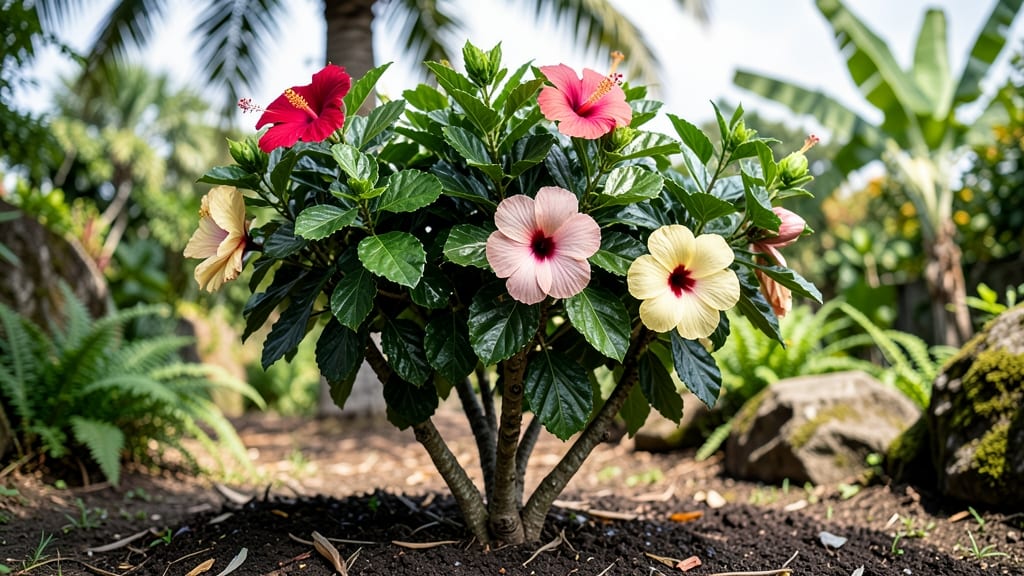
Hibiscus plant height by variety: compact vs. tall options for gardens
If you’re dreaming of vibrant hibiscus blooms but worried about them outgrowing your space, you’re in the right place. Hibiscus plants come in a stunning range of heights, from dwarf varieties perfect for containers to towering shrubs that need room to spread.
The key to choosing the right one lies in understanding how each type grows—and how to manage their size.
Most hibiscus varieties fall into three main height categories: dwarf (2–4 ft), semi-dwarf (4–6 ft), and standard (8–15 ft). Tropical hibiscus, like the classic Hibiscus rosa-sinensis, often reach 10–15 feet if left unpruned, while hardy hibiscus varieties tend to stay shorter, around 4–8 feet.
Your climate and care routine also play a big role in how tall your hibiscus will grow.
For small gardens or patio spaces, dwarf hibiscus varieties are your best bet. These compact beauties thrive in 5-gallon containers or raised beds, making them ideal for balconies, windowsills, or even indoor growing with bright light. Even standard varieties can be trimmed to fit smaller spaces—more on that later!
The Dwarf Red hibiscus is a top pick for container gardens, reaching just 2–3 feet tall while still producing 3–4 inch blooms in fiery red. This variety is perfect for sunny patios or decks where space is limited.
Meanwhile, the Lilliput Series offers cold-hardy options that stay under 4 feet—ideal for gardeners in USDA Zones 5–9 who want low-maintenance hibiscus.
For those with slightly more room, the Peppermint hibiscus is a showstopper with 4–5 feet of trailing vines and pink-and-white striped flowers. It’s a fantastic choice for hanging baskets or trellises, adding a cascading effect to your garden.
If you’re working with a larger space, Hibiscus moscheutos (swamp hibiscus) can reach 6–10 feet, thriving in wetter soils and producing giant 8-inch blooms.
If you’re aiming for a privacy screen or dramatic backdrop, Hibiscus syriacus (also called rose of Sharon) is a hardy perennial that grows 8–12 feet tall. It’s drought-tolerant and blooms profusely in late summer, making it a favorite for low-maintenance landscapes.
Just be prepared for its sprawling habit—it needs space to shine!
Before you plant, consider your garden layout and how much maintenance you’re willing to commit to. Taller hibiscus varieties may need annual pruning to control their size, while dwarf varieties often stay compact with minimal care.
Always choose a pot or planting spot that’s at least 1–2 feet wider than your hibiscus’s mature width to avoid root crowding.
Pro tip: If you love the look of a tall hibiscus but lack the space, opt for a semi-dwarf variety like ‘Arnold Promise’ (4–5 ft) and prune it aggressively in early spring. This keeps it manageable while encouraging more blooms and a bushier shape.
With the right variety and a little planning, you can enjoy stunning hibiscus flowers no matter how big or small your garden is!
🌸
Hibiscus plant height by variety: compact vs. tall options for gardens
Hibiscus plants come in a stunning array of sizes, from dwarf varieties perfect for patio pots to tall tropical giants that dominate backyard landscapes. The height of your hibiscus depends entirely on its type—whether you choose a hardy hibiscus for colder climates or a tropical hibiscus for warm regions.
Knowing these differences helps you pick the perfect fit for your space, whether it's a small balcony or a sunny garden bed.
For example, a standard hibiscus can reach 8 to 15 feet tall, while a dwarf hibiscus stays compact at just 2 to 4 feet. This variety matters because taller hibiscus need more space, while dwarf types thrive in containers or tight spots.
Let’s break down the most popular hibiscus types and their mature heights to help you decide which one suits your garden best.
| Variety | Type | Mature Height | Best For |
|---|---|---|---|
| Tropical Hibiscus | Hibiscus rosa-sinensis | 8–15 ft | Large gardens, tropical climates |
| Hardy Hibiscus | Hibiscus moscheutos | 4–8 ft | Cold-hardy zones, borders |
| Dwarf Hibiscus | Hibiscus 'Lilliput' | 2–4 ft | Containers, patios, small spaces |
| Peppermint Hibiscus | Hibiscus 'Peppermint' | 3–5 ft | Balconies, mixed borders |
| Rosaline Hibiscus | Hibiscus 'Rosaline' | 5–7 ft | Medium gardens, hedges |
If you’re working with limited space, dwarf hibiscus varieties like 'Lilliput' or 'Peppermint' are ideal—they stay under 5 feet and fit beautifully in 10- to 12-inch pots.
Meanwhile, taller varieties like tropical hibiscus need room to spread their roots and branches, making them better suited for large garden beds or as focal points in sunny areas.
Another key factor is growth rate. Tropical hibiscus can grow 2 to 3 feet per year, while hardy types like 'Rosaline' grow more slowly, reaching maturity in 3 to 5 years.
This means if you’re planning a quick impact, a tropical hibiscus will deliver faster—but it’ll also need more maintenance to keep its size in check.
For small-space gardeners, consider pruning techniques to control height naturally. Even taller varieties can be trimmed back to 4 to 6 feet with regular pruning, making them adaptable to smaller areas. Just remember: prune after flowering to avoid cutting off next season’s blooms.
Whether you’re dreaming of a bold statement plant or a compact container beauty, choosing the right hibiscus variety ensures your garden stays both stunning and manageable.
Now that you know the height ranges, you can confidently pick the perfect hibiscus for your space—whether it’s a tiny balcony or a sprawling backyard.