
How To
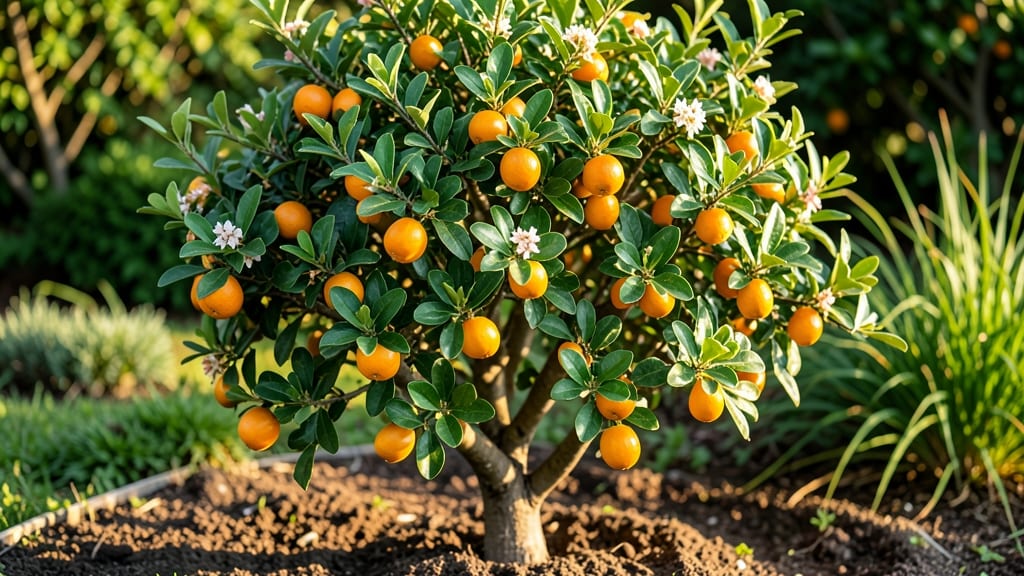
Kumquat tree height guide: dwarf varieties vs standard growth
If you're planning to grow a kumquat tree, one of your first questions is likely about its mature size. Kumquats (Fortunella spp.) can range from compact dwarf varieties perfect for containers to towering standard trees that need ample yard space.
Understanding these differences helps you choose the right type for your garden or patio.
The height of a kumquat tree depends largely on its variety and growing conditions. Standard varieties like 'Meiwa' can reach 15–20 feet tall, while dwarf varieties like 'Centennial' stay under 6 feet.
Even within standard types, growth habits vary—some spread wider than they grow tall, making them ideal for hedges or privacy screens.
Container-grown kumquats also stay smaller, typically reaching 4–8 feet in height, because their root systems are restricted. This makes them perfect for patios, balconies, or even indoor growing near sunny windows. The key is choosing the right rootstock and pot size to control growth naturally.
🌱
Climate also plays a role in how tall your kumquat tree grows. In warmer USDA zones (9b–11), trees grow faster and reach their mature height sooner. In cooler zones, growth slows, and trees may stay smaller unless you provide winter protection like frost cloth or move potted trees indoors.
For container growers, the pot size matters. A 5-gallon container limits roots, keeping a standard variety under 8 feet tall, while a 15-gallon pot allows more growth. Always use a pot with drainage holes and a well-draining citrus potting mix to prevent root rot.
Pruning is another way to control height. Regular pruning in late winter or early spring encourages bushier growth and prevents the tree from becoming too leggy. Even standard varieties can be kept under 10 feet with consistent pruning and training.
If space is limited but you love the idea of fresh kumquats, consider dwarf varieties or semi-dwarf rootstocks. These are bred specifically to stay small while still producing abundant fruit. For example, 'Centennial' kumquats are perfect for small patios and can even thrive in hanging baskets with proper care.
🪴
Kumquat tree height guide: dwarf varieties vs standard growth
Kumquat trees (Fortunella spp.) are versatile citrus gems that can adapt to both sprawling backyards and cozy patios. The mature height of your kumquat tree depends entirely on its variety and growing conditions.
Standard varieties like 'Meiwa' and 'Nagami' can reach 15–20 feet tall when planted in the ground, while dwarf varieties stay compact at just 6–8 feet. Understanding these differences helps you plan your garden layout or container setup.
For container gardening, even standard varieties can be pruned to stay under 6 feet tall, making them perfect for balconies or small porches. In-ground planting gives trees more room to grow, but regular pruning can control their height and shape.
The key is choosing the right variety for your space and growth goals—whether you want a towering citrus tree or a manageable potted plant.
| Variety | Mature Height | Best For | Growth Habit |
|---|---|---|---|
| 'Meiwa' | 15–20 ft | Large gardens, in-ground | Spreading, vigorous |
| 'Nagami' | 10–15 ft | Backyards, containers (with pruning) | Upright, moderate growth |
| 'Centennial' | 6–8 ft | Containers, patios, small spaces | Compact, slow-growing |
| 'Gold Nugget' | 5–7 ft | Indoor pots, small gardens | Dwarf, bushy |
Climate plays a huge role in how tall your kumquat tree grows. In warm climates (USDA Zones 9b–11), trees grow faster and reach their mature height sooner. In cooler zones, growth slows, and trees may stay smaller unless you use dwarfing rootstock or provide winter protection.
For container-grown trees, the pot size also affects height—smaller pots restrict root growth, keeping trees compact.
If you’re growing kumquats in containers, choose a variety like 'Centennial' or 'Gold Nugget' to keep your tree under 7 feet tall. These varieties thrive in 15–25 gallon pots and can be placed on patios or balconies.
For in-ground planting, standard varieties like 'Meiwa' will need ample space, but regular pruning can keep them manageable even in smaller yards.
Pruning isn’t just for controlling height—it also improves fruit production and air circulation. By removing overlapping branches and suckers, you encourage a stronger, more compact structure. For dwarf varieties, light pruning in late winter or early spring keeps them at their ideal height while maximizing fruit yield.
Remember, kumquat trees are slow growers compared to other citrus varieties. With proper care, a 6-foot dwarf tree can produce fruit in just 2–3 years, while standard varieties may take 4–5 years to reach maturity.
Whether you’re aiming for a backyard centerpiece or a patio-sized potted tree, choosing the right variety and pruning regularly ensures your kumquat tree stays the perfect size for your space. 🌱