
How To
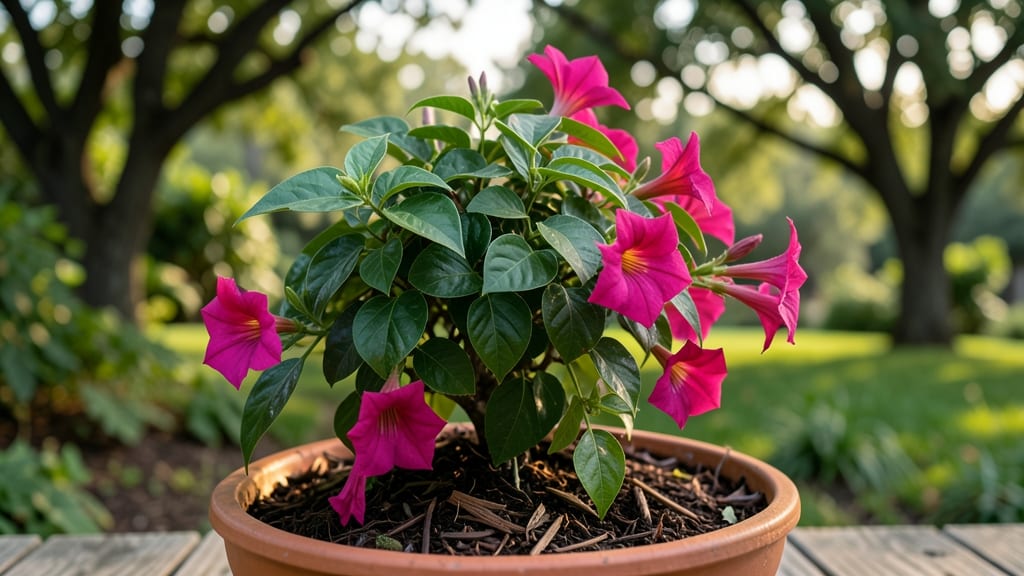
Mandevilla height by variety: exact growth ranges for pruning planning
If you’ve ever admired a Mandevilla vine sprawling across a trellis or cascading from a hanging basket, you know its dramatic presence comes with a question: how tall does a Mandevilla grow?
The answer isn’t one-size-fits-all—it depends on the variety, your pruning habits, and even your climate. Some varieties stay compact at 3–5 feet, while others reach towering heights of 10–15 feet if left unchecked. Understanding these ranges is key to planning your garden layout and pruning schedule.
Mandevilla’s growth habits make it a favorite for vertical gardening, but without proper guidance, its vines can quickly outgrow their space.
For example, the Alice du Pont variety—with its iconic pink blooms—typically matures between 6–10 feet, while Sun Parasol (a dwarf type) maxes out at 3–5 feet. These differences mean your pruning strategy should match the variety’s natural growth potential.
Let’s break down the exact heights by popular Mandevilla types so you can set realistic expectations and plan your garden’s support structures accordingly.
| Variety | Mature Height | Growth Rate | Pruning Trigger |
| Alice du Pont | 6–10 ft | 2–3 ft/year | After blooming |
| Sun Parasol | 3–5 ft | 1–2 ft/year | Spring & fall |
| Red Canary | 8–12 ft | 3–4 ft/year | Late winter |
| Sundance | 4–6 ft | 1.5–2.5 ft/year | After 2nd bloom |
| Amethyst Showers | 5–8 ft | 2–3 ft/year | Early spring |
| Bella Rosa | 6–10 ft | 2–3 ft/year | Post-flowering |
| Pink Velour | 4–7 ft | 1.5–2.5 ft/year | Late summer |
| Cherokee Sunset | 8–12 ft | 3–4 ft/year | Early spring |
The Sun Parasol and Sundance varieties are ideal for smaller spaces or container gardening, as they rarely exceed 6 feet in height. Meanwhile, the Red Canary and Cherokee Sunset are better suited for large trellises or privacy screens, where their 8–12 foot reach can be an asset.
If you’re growing Mandevilla in USDA Zone 9 or higher, these varieties can thrive year-round, but in cooler climates, they’ll need winter protection or container repotting to control their height.
One common misconception is that all Mandevillas grow as tall vines. In reality, many varieties—like Amethyst Showers—can be trained to grow as bushy shrubs with regular pinching back and side
How to control Mandevilla height: pruning techniques for different growth stages
Pruning your Mandevilla isn’t just about keeping it from towering over your patio—it’s the secret to encouraging bushier growth and more vibrant blooms.
With the right techniques, you can shape your plant to stay within your desired height range, whether that’s a compact 3-6 feet or a managed 6-10 feet vine. The key is timing and method, and I’ll walk you through both.
Start by understanding that Mandevilla pruning happens in two main seasons: spring (to shape growth) and fall (to prepare for dormancy). Spring pruning is all about encouraging new growth, while fall pruning helps the plant conserve energy.
Both steps are crucial for maintaining control over its height and ensuring it thrives year after year.
🌱
🌿 Step-by-Step Pruning Guide for Mandevilla
- Spring Pruning (March-April): Cut back 1/3 of the plant to encourage new, bushier growth. Focus on removing dead or weak stems first.
- Summer Maintenance (June-August): Trim overgrown vines to maintain shape. Pinch back new growth tips to promote branching.
- Fall Pruning (October-November): Reduce height by 50% to prepare for dormancy. Remove any yellowing or diseased leaves.
- Tools Needed: Sterilized pruning shears, gloves, and disinfectant (rubbing alcohol).
- Aftercare: Water deeply post-pruning and avoid fertilizing for 2-3 weeks to prevent shock.
When pruning, always use clean, sharp tools to avoid damaging the plant. I recommend sterilizing your shears with rubbing alcohol between cuts to prevent the spread of disease. For large vines, cut just above a leaf node (the bump where leaves grow) to encourage new branches. This simple technique can transform a leggy vine into a lush, full plant.
If you’re aiming for a shorter Mandevilla (like the 3-6 foot range), focus on regular pruning throughout the growing season. For taller varieties, like Alice du Pont, you’ll need to prune more aggressively in spring and fall to keep it from becoming unmanageable.
Remember, the more you prune, the more your plant will compensate by growing bushier and fuller.
One common mistake is pruning too late in the season. If you wait until late fall, your Mandevilla won’t have time to recover before dormancy. Always aim to finish pruning at least 4-6 weeks before the first frost.
This gives your plant enough time to heal and prepare for the winter months.
For container-grown Mandevilla, pruning is even more critical because space is limited. In this case, I recommend light pruning every 6-8 weeks to maintain shape and encourage airflow. This not only keeps your plant at a manageable height but also reduces the risk of pests and diseases.