
How To
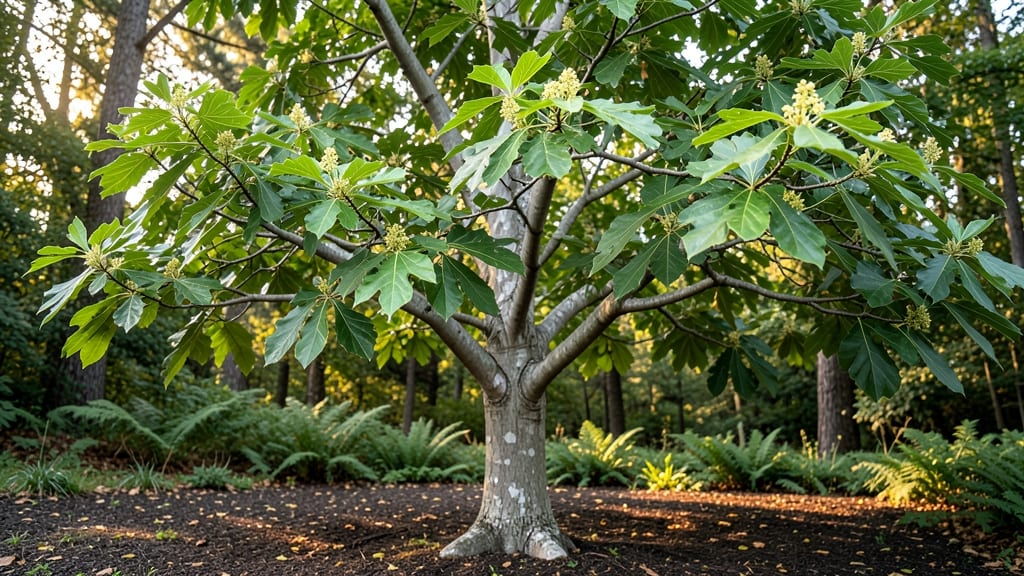
If you're wondering how tall does a sassafras tree grow, the answer might surprise you—this native beauty can stretch from a modest 30 feet to a towering 60 feet or more, depending on where you plant it.
Picture that 🌳 standing tall in your backyard, its fragrant leaves reaching higher than your roof.
The sassafras tree's height isn't just about genetics—it's a mix of location, care, and a little patience. In warmer southern climates, these trees often hit their full potential, while in cooler northern regions, they may stay smaller but still pack a punch with their vibrant foliage.
Whether you're dreaming of shade or a natural privacy screen, understanding these growth habits is the key to planning your perfect spot.
What's even more interesting is how adaptable this tree is. It can grow as a single trunk or develop multiple stems, making it versatile for different landscapes. If you're working with limited space, don't worry—with the right pruning and care, you can guide its growth to fit your yard perfectly.
Let’s explore how to maximize or control its height so you can enjoy its beauty without compromising your outdoor space.
From urban backyards to rural properties, the sassafras tree brings both practical benefits and natural charm. Whether you're a seasoned gardener or just starting out, knowing how to nurture this tree will help you make the most of its potential.
Ready to learn how to shape its growth and create the ideal landscape feature?


Sassafras tree height by region: mature size ranges explained
When planning your landscape, knowing how tall a sassafras tree grows is essential. In its native range—primarily the southeastern United States—this tree typically reaches 30 to 60 feet tall at maturity. However, its height can vary dramatically depending on where you plant it and how you care for it.
The sassafras tree thrives in warm climates like USDA Zones 5-9, where it can grow taller and faster. In cooler northern regions, like Zone 5, it may only reach 20 to 30 feet due to slower growth rates and shorter growing seasons.
This adaptable tree also grows in different forms—sometimes as a single-trunked giant or as a multi-stemmed shrub, especially in open, sunny areas. Its spread can reach 25 to 40 feet wide, making it a great shade provider for large yards.
Now, let’s break down the height variations by region to help you visualize what to expect in your area.
| Region | Climate Zone | Mature Height | Growth Rate | Notes |
|---|---|---|---|---|
| Southeast U.S. | Zones 7-9 | 40-60 ft | Fast (1-2 ft/year) | Ideal conditions; tallest specimens |
| Mid-Atlantic | Zones 6-8 | 30-50 ft | Moderate (1 ft/year) | Balanced growth; versatile |
| Northeast U.S. | Zones 5-6 | 20-30 ft | Slow (6-12 inches/year) | Smaller stature; shorter lifespan |
| Pacific Northwest | Zones 6-8 | 25-40 ft | Moderate (8-12 inches/year) | Cooler temps limit height |
If you're planting a sassafras tree in the southeast, expect it to grow tall quickly, especially in well-drained soil with plenty of sunlight. In contrast, northern gardeners should prepare for a smaller, slower-growing specimen unless they provide extra care.
Another factor influencing height is the tree’s form. When grown in open spaces, sassafras often develops a single trunk and reaches its maximum height. In denser woodlands, it may grow as a multi-stemmed shrub, staying shorter but bushier.
For those with limited space, consider planting a young sassafras tree in a smaller yard and pruning it regularly to control its height. Even in its smallest form, it still offers beautiful foliage and shade benefits.
Understanding these regional differences helps you plan your landscape effectively. Whether you’re aiming for a towering shade provider or a manageable shrub, the sassafras tree can adapt to fit your needs.
Now that you know how tall a sassafras tree can grow, let’s explore how to maximize or control its height through proper care and pruning techniques.
Sassafras tree height by region: mature size ranges explained
The sassafras tree (Sassafras albidum) is a native North American beauty that thrives in diverse climates, but its mature height varies dramatically depending on your region.
In its natural southeastern range, where it's happiest, sassafras can reach 50-60 feet tall with a sprawling canopy of 30-40 feet wide. However, in cooler northern climates, it typically stays shorter—30-40 feet tall—due to slower growth rates.
This shade-loving tree grows fastest in USDA zones 5-9, where warm summers and mild winters encourage rapid vertical growth. In urban settings, sassafras often grows more slowly, reaching 25-35 feet due to limited space and competition for nutrients.
Its multi-trunked growth habit also makes it a unique choice for larger landscapes.
🌳
In wild settings, sassafras can grow even taller—up to 70 feet—when given ideal conditions like deep, well-drained soil and full sunlight. However, its root system is aggressive, so planting near foundations or sidewalks requires careful consideration.
The tree's fragrant leaves and yellow spring blooms make it a prized addition, but its height should guide your planting decisions.
For smaller yards, consider planting sassafras as a multi-stemmed shrub rather than letting it grow into a full-sized tree. Regular pruning in late winter can also help manage its height while maintaining its ornamental value.
Just remember—this tree's growth potential is directly tied to your local climate and growing conditions.
If you're planting sassafras for shade or wildlife benefits, aim for the southeastern range where it reaches its full height potential. In cooler climates, expect a more compact stature but still enjoy its unique foliage and ecological benefits for birds and pollinators.
🌿