
How To
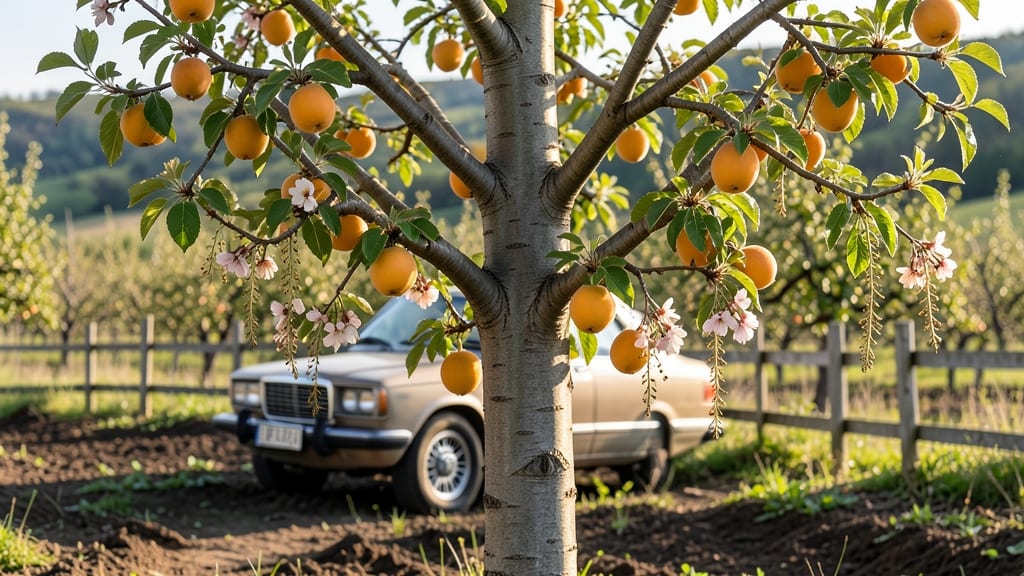
If you're dreaming of growing your own 🍑 apricot tree but wondering how tall this tree can grow, the answer depends entirely on the variety you choose.
Some apricot trees stay as short as 8 feet, making them perfect for small gardens, while others can shoot up to 30 feet—taller than your two-story house! Before you plant, knowing these height differences could save you from overcrowding or disappointment.
The key to successful apricot tree growth starts with selecting the right size for your space. Dwarf varieties like 'Moongold' stay manageable at 8-12 feet, ideal for containers or tight yards, while standard trees like 'Tilton' reach their full 25-30 foot height in just a few years.
Even the spacing between trees matters—planting them too close can stunt growth or reduce fruit production, so we'll cover the exact distances you need.
Once you've picked your tree, managing its height becomes the next challenge. Pruning isn't just about keeping it small—it's about shaping the tree for easier harvests and better airflow to prevent disease.
Whether you're dealing with a 6-foot dwarf or a towering 20-foot standard, I'll walk you through the best techniques to control growth without sacrificing those sweet, juicy apricots you're after.
From variety selection to pruning tips, this guide will help you plan your apricot tree's future—so you can enjoy a bountiful harvest without the headaches of overgrowth. Let's get started!


Apricot tree height by popular variety: from dwarf to standard sizes
Choosing an apricot tree isn’t just about flavor—it’s about space! The mature height of Prunus armeniaca varies wildly, from compact dwarf varieties (under 10 ft) to towering standard trees (25-30 ft).
Your backyard’s size and your willingness to prune will determine which variety thrives. Let’s break down the most popular types and their growth habits to help you plan.
Dwarf apricot trees are the perfect choice for small gardens, containers, or urban homesteads. These varieties stay between 8-12 feet tall at maturity, making them ideal for backyard orchards or even large patio spaces.
They also fruit earlier than standard trees, often within 2-3 years of planting. If you’re short on space but crave fresh apricots, dwarf varieties like 'Moongold' or 'Patterson' are game-changers.
Semi-dwarf apricot trees strike a balance, typically reaching 12-18 feet tall. These are the workhorse varieties for most home gardens, offering a manageable size without sacrificing fruit production. They often produce larger yields than dwarf trees and are easier to prune for height control.
Varieties like 'Tilton' and 'Blush' are popular semi-dwarf choices, thriving in USDA Zones 5-9 with proper care.
Standard apricot trees are the full-sized orchard giants, reaching 20-30 feet tall and requiring ample space. These trees are best suited for rural properties or commercial orchards where height isn’t a concern.
While they demand more room, their vibrant fruit production and classic apricot flavor make them a favorite for serious fruit enthusiasts. Varieties like 'Goldcot' and 'Royal' are classic examples of standard-height apricot trees.
| Variety | Mature Height | Growth Habit | Best For |
|---|---|---|---|
| Moongold | 8-12 ft | Upright, compact | Small gardens, containers |
| Patterson | 10-12 ft | Spreading, low branches | Urban homesteads, patios |
| Tilton | 12-18 ft | Semi-upright, vigorous | Home gardens, orchards |
| Blush | 15-20 ft | Open-centered, spreading | Rural properties, large yards |
| Goldcot | 20-30 ft | Tall, upright, vigorous | Commercial orchards |
| Royal | 25-30 ft | Tall, spreading canopy | Large estates, orchards |
🌱 Note: Dwarf varieties require pollination partners for fruit set. Plant at least two compatible varieties within 50 feet.
Growth habits play a critical role in how you manage your apricot tree. Upright varieties like 'Moongold' grow straight up, making them ideal for small spaces or tight corners. In contrast, spreading varieties like 'Blush' develop wide canopies, requiring more horizontal space.
If you’re planting multiple trees, consider their canopy spread (often 1.5x the height) to avoid overcrowding.
Climate also influences height and growth rate. Apricot trees thrive in USDA Zones 5-9, but those in war
Apricot tree height by popular variety: from dwarf to standard sizes
Choosing the right apricot tree variety isn’t just about flavor—it’s about space planning. A standard apricot tree can reach 25-30 feet, while dwarf varieties stay under 12 feet. The difference means the gap between a backyard orchard and a container-friendly patio tree.
Let’s break down the mature heights of the most popular varieties so you can pick the perfect fit for your garden.
For small gardens or urban yards, dwarf apricot trees like 'Moongold' (8-12 ft) or 'Patterson' (10-12 ft) are game-changers. These compact beauties produce abundant fruit without sacrificing space.
Meanwhile, semi-dwarf varieties like 'Tilton' (18-22 ft) offer a middle ground, ideal for medium-sized yards where you want that classic tree shape without the orchard-scale footprint.
| Variety | Mature Height (ft) | Growth Habit | Best For |
|---|---|---|---|
| Moongold | 8-12 ft | Dwarf, compact | Containers, small yards |
| Patterson | 10-12 ft | Dwarf, upright | Urban gardens |
| Tilton | 18-22 ft | Semi-dwarf, spreading | Medium yards, orchards |
| Blush | 20-25 ft | Standard, upright | Large properties |
| Royal | 25-30 ft | Standard, vigorous | Orchards, rural areas |
If you’re dreaming of a full-sized apricot tree, varieties like 'Royal' or 'Blush' will give you that classic orchard look, but they require serious space. These trees grow 20-30 feet tall and need room to spread, making them better suited for rural properties or dedicated orchard plots.
The trade-off? Higher yields and easier harvests thanks to their vigorous growth.
Don’t overlook growth habits when planning. Some varieties, like 'Tilton', have a spreading canopy that needs extra width, while others like 'Patterson' grow upright, saving space vertically. Always check the crown spread (width) alongside height—this determines how much room your tree will occupy at maturity.
Climate matters too. Dwarf varieties thrive in USDA Zones 5-9 but may need winter protection in colder regions. Standard trees handle harsher winters better but need more space to avoid overcrowding and disease risks. Always match your variety to your local climate and garden layout.
Pro tip: If space is tight, consider espalier training for standard varieties. This technique flattens the tree against a fence or wall, keeping it manageable while maximizing fruit production in small areas. Just be prepared for regular pruning to maintain the shape.