
How To
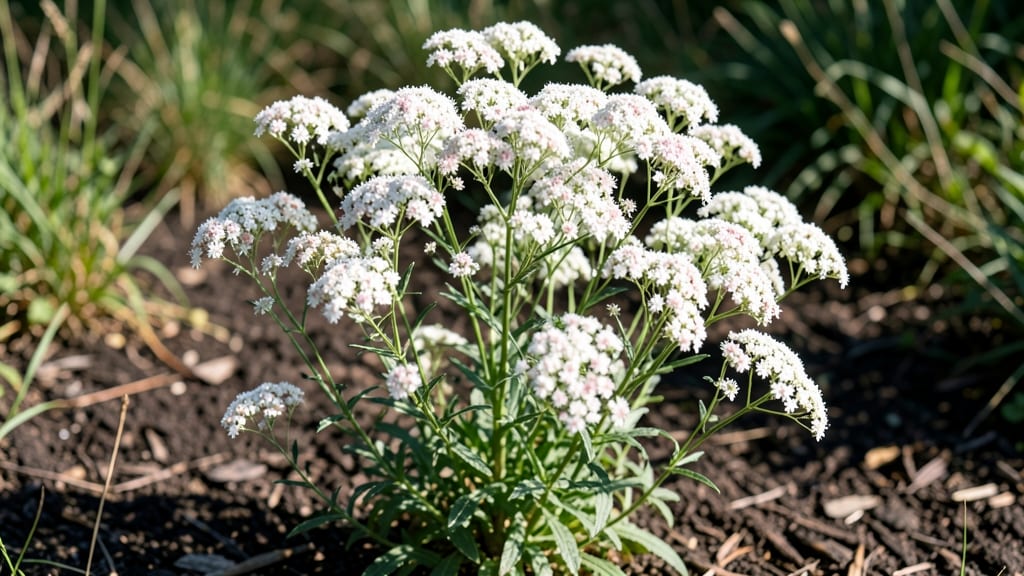
If you’ve ever wondered how tall does baby’s breath grow, you’re not alone—this delicate 🌸 flower can surprise you with its height range, from dainty 1-foot varieties to towering 4-foot giants.
Whether you’re planning a garden bed or arranging bouquets, knowing these variations ensures your floral designs look intentional, not crowded.
The answer depends on the variety and growing conditions. Dwarf types stay compact, perfect for containers or borders, while standard varieties stretch toward waist height—ideal for back-of-the-border planting or cutting gardens.
In USDA Zone 6a, where spring planting is key, timing and care make all the difference in controlling height.
Sunlight, pruning, and soil all play a role in shaping your baby’s breath. Too much shade? Expect shorter stems. Skip pruning? You might end up with leggy, sprawling plants instead of the neat, bushy growth you want.
I’ll break down the 5 key factors that influence height, so you can train your plants to fit your vision—whether you need a fluffy filler or a dramatic backdrop.
Ready to master the art of growing baby’s breath at your desired height? Let’s dive into the secrets behind its sprawling habits and how to guide it—without sacrificing those signature ethereal blooms you love.


Baby’s breath height by variety: dwarf to towering options
Baby’s breath (Gypsophila) isn’t a one-size-fits-all plant when it comes to height. Some varieties stay compact and perfect for containers, while others reach towering heights that make them ideal for cut flower arrangements.
Understanding these differences helps you choose the right variety for your garden layout or floral designs.
The most common varieties—Gypsophila paniculata and Gypsophila elegans—show dramatic height contrasts. Gypsophila paniculata, often called "baby’s breath" in gardens, typically grows 2 to 4 feet tall, while Gypsophila elegans, or "baby’s breath" for cut flowers, can stretch up to 36 inches with proper care.
Dwarf varieties, like Gypsophila repens, stay under 12 inches, making them perfect for borders or fairy gardens.
🌸 Baby’s Breath Height Comparison
| Variety | Height Range | Growth Habit | Ideal Spacing |
|---|---|---|---|
| Gypsophila paniculata | 2–4 ft | Upright, bushy | 12–18 inches apart |
| Gypsophila elegans | 18–36 inches | Tall, slender stems | 10–12 inches apart |
| Gypsophila repens (Dwarf) | 6–12 inches | Sprawling, ground cover | 6–8 inches apart |
| Gypsophila muralis | 1–2 ft | Compact, mounding | 8–10 inches apart |
If you’re growing baby’s breath for cut flowers, opt for Gypsophila elegans or Gypsophila paniculata—both produce long, sturdy stems perfect for bouquets. For container gardening, dwarf varieties like Gypsophila repens thrive in pots, adding delicate texture without overwhelming small spaces.
Always check the seed packet or plant tag for specific height expectations, as some nurseries may offer unique hybrids.
Spacing is just as critical as height. Planting Gypsophila paniculata too closely can lead to overcrowding, which stunts growth and increases disease risk. Give each plant 12–18 inches of space in garden beds to ensure airflow and prevent fungal issues.
In containers, use 5–7 inch pots for dwarf varieties and 10+ inch pots for taller types to accommodate root growth.
Another factor influencing height is whether you’re growing baby’s breath as an annual or perennial. In USDA Zones 3–9, many varieties return year after year, gradually reaching their mature height over multiple seasons.
First-year plants typically stay shorter—1–2 feet—while established plants can double in height by their third year. This makes planning ahead essential if you’re designing a long-term garden feature.
For fairy gardens or rockeries, choose Gypsophila muralis or Gypsophila repens. These varieties stay low to the ground, creating a lush, carpet-like effect that contrasts beautifully with taller perennials. Pair them with lavender or thyme for a Mediterranean-inspired border that stays under 12 inches tall.
In contrast, Gypsophila paniculata works well as a backdrop plant in cottage-style gardens, where its fluffy blooms soften the edges of taller flowers like delphiniums or hollyhocks.
One common mistake is assuming all baby’s breath grows the same height. Gypsophila elegans, for example, can reach 3 feet in ideal conditions, while Gypsophila repens might only grow 6 inches tall. Always verify the variety before planting, especially if you’re working with limited space or specific design goals.
Mixing heights intentionally—like pairing 1-foot dwarf varieties with 3-foot standards—creates dynamic visual interest in garden beds.
Pro tip: If you’re unsure about height, start with a test batch in containers. This lets you monitor growth patterns before committing to a full garden bed. Baby’s breath is fast-growing, so you’ll see noticeable changes within 4–6 weeks of planting.
Adjust your layout as needed based on real-world performance rather than relying solely on seed packet estimates.
5 Key factors that control baby’s breath growth height
Understanding how to manage baby’s breath height starts with recognizing the five key factors that influence its growth. From sunlight exposure to pruning techniques, each element plays a role in determining whether your plant stays compact or reaches towering heights.
Let’s break down these factors so you can tailor your care for the perfect height.
First, sunlight exposure is critical. Baby’s breath thrives in full sun (6+ hours daily), which encourages taller, more robust growth. However, if you’re aiming for a shorter, bushier plant, partial shade can help control height. Position your plants carefully to avoid unintended sprawling or leggy stems.
Pruning techniques are another game-changer. Regular pruning—especially after flowering—can keep your plants from becoming too tall. Pinch back the tips of young plants to promote bushier growth, and deadhead spent blooms to redirect energy toward compact stems rather than vertical growth.
Sunlight Exposure
Soil Conditions
Next, soil conditions impact height indirectly by affecting overall plant health. Baby’s breath prefers well-draining, slightly alkaline soil (pH 6.0-7.5). If your soil is too dense or waterlogged, the plant may struggle to reach its full height or develop weak stems.
Test your soil and amend it with organic matter if needed.
Your watering schedule also plays a role. Overwatering can lead to soft, floppy stems, while underwatering may cause the plant to stretch toward moisture, resulting in uneven growth. Aim for consistent moisture—water deeply but allow the top inch of soil to dry between waterings to encourage sturdy stems.
Finally, seasonal care matters. In spring, baby’s breath grows rapidly, and proper fertilization (like a balanced 10-10-10 mix) supports taller growth. However, in late summer, reduce watering and fertilizing to signal the plant to focus on root development rather than vertical growth, which can help control height naturally.
By mastering these five factors, you’ll have full control over whether your baby’s breath stays compact and manageable or reaches its full towering potential. Experiment with different approaches to find what works best for your garden layout and aesthetic goals!