
How To
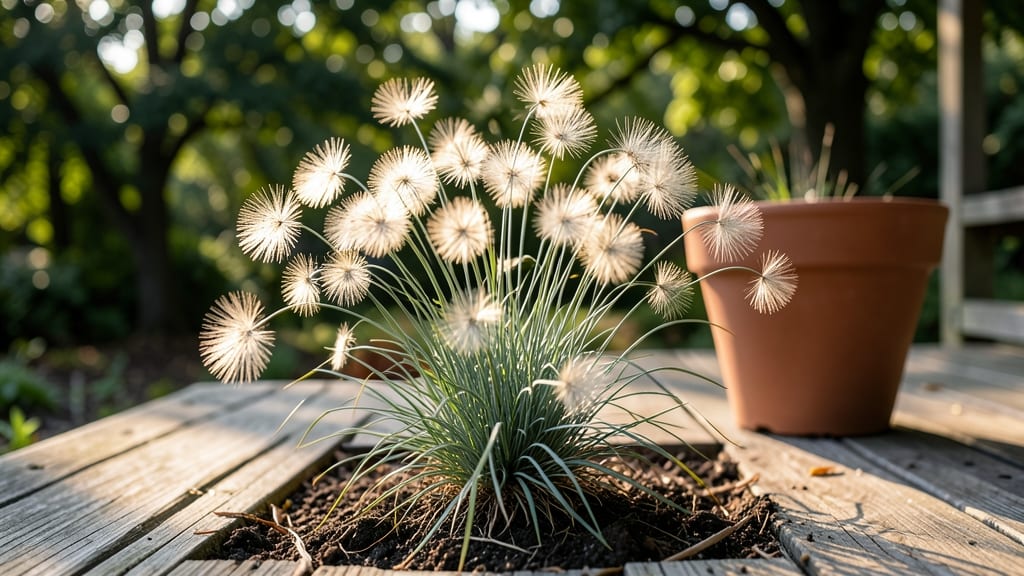
Wondering how tall does Bunny Tail Grass grow before it transforms your garden into a fluffy, textured masterpiece?
This charming 🌿 ornamental grass typically reaches 12 to 18 inches in ideal conditions, but with the right care (or lack thereof), it can stretch up to 3 feet tall—making it a versatile choice for borders, containers, or even wildflower meadows.
What sets Bunny Tail Grass apart is its adaptability. In full sun and well-draining soil—like what you’d find in USDA Zone 6a—it stays compact and bushy, perfect for spring planting between April and May.
But if you let it go wild, those delicate, cotton-like seed heads can elongate dramatically, creating a whimsical, almost fairy-tale-like effect in your landscape.
If you’re planning your garden layout, understanding its growth habits is key. Whether you want it to stay neat and contained or embrace its wild side, the factors controlling its height—like sunlight, water, and pruning—can make all the difference.
Let’s break down exactly what influences its size so you can get the look you’re after.
From drought-resistant ground cover to a striking focal point, Bunny Tail Grass offers flexibility without the fuss. With the right approach, you can harness its natural beauty while keeping it from overtaking your space. Ready to learn how?


Natural height range of Bunny Tail Grass: what to expect in ideal conditions
Bunny Tail Grass (Lagurus ovatus) is one of those charming grasses that seems to grow overnight—especially when conditions are just right.
In its ideal ornamental form, you’ll typically see it reaching 12 to 18 inches tall, forming those signature fluffy, bunny-tail-like seed heads that give it its name.
However, if left completely unchecked in wild or naturalized settings, it can stretch up to 2 to 3 feet tall, creating a lush, airy meadow effect.
This ornamental grass isn’t just about height—its spread and structure also change dramatically based on where you live.
In Mediterranean climates, where it’s native, Bunny Tail Grass often stays compact and bushy, while in temperate zones like the U.S., it may grow taller but less densely packed without proper care. Understanding these differences helps you set realistic expectations for your garden.
The key to controlling its height lies in its growth habit. Bunny Tail Grass is an annual or short-lived perennial that grows in clumps rather than spreading aggressively like some other grasses.
This means it won’t overtake your garden like creeping thyme or mint, but it will self-seed prolifically if you don’t deadhead the spent seed heads.
In its first year, expect 1 to 2 feet of growth, while mature plants in their second year can reach that 2 to 3 foot mark under optimal conditions.
| Growth Stage | Height Range | Climate Notes |
|---|---|---|
| First Year | 1–2 ft | Slower growth in cooler zones; faster in warm, sunny climates |
| Mature (Year 2+) | 2–3 ft | Taller in Mediterranean regions; shorter in high-altitude gardens |
| Wild/Unmanaged | Up to 3 ft | Self-seeding spreads height and density; may flop in heavy rain |
| Container-Grown | 12–18 in | Root-bound plants stay shorter; prune to maintain shape |
Seasonal growth patterns also play a role in how tall your Bunny Tail Grass will get. In spring and early summer, it shoots up quickly, especially if you’ve given it well-draining soil and full sun.
By mid-summer, growth slows as the plant focuses on seed production, which is when those iconic fluffy tails form. If you’re growing it for ornamental purposes, deadheading the seed heads in late summer can redirect energy to foliage growth rather than height.
Regional climate differences can dramatically alter its height. For example, in USDA Zone 7 or warmer, Bunny Tail Grass often hits its maximum 2 to 3 foot height because of longer growing seasons.
In cooler zones like Zone 5 or 6, it may only reach 1 to 2 feet unless you provide extended-season protection, like a cold frame or row cover. Even in these cooler areas, though, it still delivers that whimsical, airy texture gardeners love.
One often-overlooked factor is how soil fertility affects height. Bunny Tail Grass thrives in poor to moderately fertile soil—too much nitrogen can make it leggy and floppy, while well-amended soil with compost encourages denser, bushier growth.
If you’re aiming for that compact 12 to 18 inch look, avoid heavy-handed fertilizing. Instead, focus on mulching and pruning to shape its growth naturally.
For landscape designers, the height-to-spread ratio is crucial when planning where to place Bunny Tail Grass. Its narrow clumping habit makes it perfect for border edges, container gardens, or mixed perennial beds where you want a soft, textural contrast without overwhelming nearby plants.
Pair it with shorter perennials like ajuga or creeping thyme to create a layered effect, or let it tower over low-growing annuals for a dramatic pop.
If you’re growing Bunny Tail Grass in containers or pots, expect it to stay on the shorter side (12–18 inches) because root restriction naturally limits its height. However, if you underpot it or use a large, deep container, it may still reach 2 feet tall.
Container growth also gives you more control over watering and nutrients, making it easier to manage height year-round.
Finally, don’t forget that Bunny Tail Grass is drought-tolerant once established, which means it can handle dry spells without wilting. In arid climates, where water is scarce, it often grows taller but leaner to reach moisture deeper in the soil.
In humid climates, it may stay shorter and bushier because excess moisture encourages denser foliage. Understanding these climate-specific quirks helps you adjust your expectations and care routine accordingly.
5 Critical factors that control Bunny Tail Grass height (and how to manage them)
Bunny Tail Grass (Lagurus ovatus) thrives when you understand its growth triggers. While its natural height range is 12–36 inches, five key factors can push it toward the higher end—or keep it compact. Let’s break down how to control its growth like a pro.
First, sunlight exposure is non-negotiable. This grass craves 6+ hours of full sun daily. In partial shade, expect stunted growth (12–18 inches max). For taller, bushier plants, place it where it gets unfiltered morning sun and afternoon shade in hot climates.
🌱 Numbered Highlights: Bunny Tail Grass Growth Control
- 1. Sunlight: Full sun (6+ hrs) = 2–3 ft tall; partial shade = 1–1.5 ft
- 2. Watering: Deep soaks weekly = lush growth; drought = compact 12–18 in
- 3. Soil: Well-draining, sandy soil = faster growth; clay = stunted
- 4. Pruning: Shear in early spring = bushier; let seed = taller, wildflower effect
- 5. Containers: Root-bound pots = 12–18 in; ground planting = 2–3 ft
Pro Tip: For ornamental height control, deadhead spent blooms in late summer to redirect energy to foliage growth.
Next, watering habits directly impact height. Bunny Tail Grass is drought-tolerant once established, but consistent moisture in its first year encourages 2–3 foot growth. Water deeply once weekly during dry spells, but avoid soggy soil—this leads to weak stems and leggy growth.
In containers, water every 5–7 days to prevent stunting.
Don’t overlook soil type. This grass prefers well-draining, sandy loam with a pH of 6.0–7.5. Heavy clay soils slow growth and can reduce height by 30–50%. Amend clay with compost or perlite to improve drainage and encourage taller, healthier plants.
Pruning timing is your secret weapon for height control. Shear back brown foliage in early spring to promote bushier growth (ideal for 18–24 inch ornamental displays). If you want taller, wildflower-like plants, skip pruning and let it self-seed naturally—this can push heights to 3+ feet in ideal conditions.
Finally, container vs. ground planting drastically affects height. In small pots (under 12 inches wide), expect 12–18 inch plants due to root restriction. For 2–3 foot giants, plant in the ground with 18–24 inches of spacing between clumps.
This mimics its wild Mediterranean habitat and unlocks its full height potential.
With these five factors mastered, you’ll grow Bunny Tail Grass at your desired height—whether you want a neat 18-inch border or a wild, 3-foot statement piece. Experiment to see what works best in your climate!