
How To
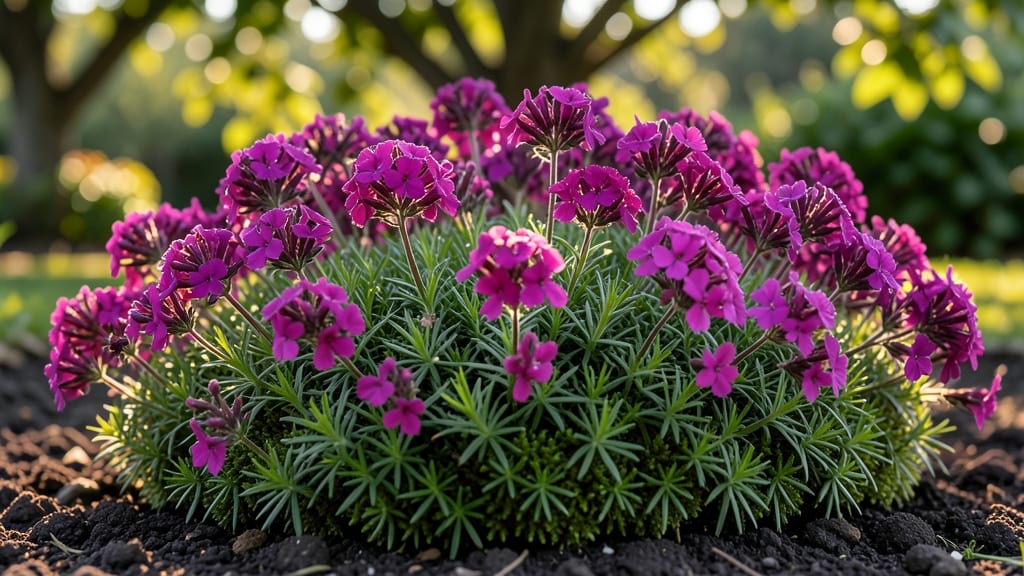
If you’ve ever wondered how tall does creeping phlox grow, you’re not alone—this charming ground cover can be a game-changer for small gardens, but its height surprises many new gardeners. 🌸 At first glance, it might seem like a tiny plant, but its spreading habits can make it feel taller than its 3–6-inch height suggests.
Creeping phlox thrives as a low-growing perennial, perfect for borders, slopes, or even cascading over containers. While its mature height stays modest, its ability to spread 2–3 feet wide creates a lush, colorful carpet that fills space horizontally.
This makes it a top choice for gardeners who want vibrant blooms without the upkeep of taller plants.
What sets creeping phlox apart is its adaptability—whether you’re in USDA Zone 6a or beyond, it handles full sun and well-draining soil with ease. Plant it in spring (March–April), and by May–June, you’ll see why it’s a favorite for spring gardens.
The key? Choosing the right variety for your space, whether you want it compact or trailing.
Ready to transform your garden with this hardy ground cover? I’ll break down the height differences between varieties, how to control its spread, and why it’s a low-maintenance superstar. Let’s get growing!


Creeping phlox height ranges by variety: compact vs. spreading types
Creeping phlox (Phlox subulata) typically stays between 3 to 6 inches tall, but its height can vary significantly based on the specific variety and growing conditions. Most gardeners love it for its low-growing habit, making it perfect for borders, rock gardens, or cascading over container edges.
However, some varieties—like Phlox stolonifera—can spread wider, creating a lush carpet that might appear taller due to dense foliage.
The key to understanding creeping phlox height lies in its two main growth patterns: mat-forming and stoloniferous. Mat-forming types, like ‘Scarlet Flame’, stay compact at 3–4 inches tall but spread aggressively horizontally.
Stoloniferous types, such as ‘Blue Ridge’, may reach 6 inches tall while sending out long runners, filling space quickly. Both types thrive in USDA Zones 3–8, but their height differences impact garden design choices.
Here’s how height varies by type—plus how to use these differences to your advantage in your garden layout:
If you’re designing a low-profile garden, prioritize varieties like ‘Sherwood Purple’ or ‘Emerald Blanket’, which stay under 4 inches tall but still deliver vibrant blooms.
For a bolder look, choose ‘Blue Ridge’ or ‘Scarlet Flame’, which add height through their dense foliage and sprawling habit. Pro tip: Pair taller varieties with dwarf conifers or sedum to create layered textures without overpowering your space.
One common misconception is that creeping phlox will grow taller if given more water or fertilizer. In reality, its height is genetically determined, but over-fertilizing can lead to leggy growth and fewer blooms.
Stick to a balanced 10-10-10 fertilizer applied lightly in early spring—this encourages compact growth and prolonged flowering. Too much nitrogen will stretch the stems, making the plant look taller but less sturdy.
For container gardening, where height is especially critical, opt for ‘Emerald Blanket’ or ‘Blue Ridge’. These varieties spill over edges beautifully while keeping the center of the pot low and lush.
If you’re using creeping phlox as a border plant, plant it in a single row with 3–4 inches of space between plants to prevent overcrowding. Over time, the spread will fill in, creating a neat, uniform edge without requiring frequent trimming.
Another factor influencing perceived height is pruning habits. Creeping phlox blooms on old wood, so avoid cutting back until after flowering. If you notice stems elongating too much, shear the plant back by one-third after blooms fade to encourage a fuller, more compact shape for next year.
This trick works especially well for ‘Scarlet Flame’, which can become leggy in poor light conditions.
When comparing creeping phlox to other low-growing perennials, it stands out for its early spring blooms and drought tolerance. Unlike ajuga or heuchera, which may reach 12–18 inches tall, creeping phlox stays consistently short.
This makes it ideal for underplanting roses or shrubs without competing for sunlight. Just ensure the area gets at least 6 hours of sun daily—shadier spots will result in taller, sparser growth.
For gardeners in warmer climates (Zones 8–9), height can be influenced by summer heat. Some varieties, like ‘Blue Ridge’, may go dormant in extreme heat but bounce back in cooler months.
To keep your creeping phlox compact and healthy, mulch with 2–3 inches of organic matter to retain moisture and regulate soil temperature. This simple step can reduce stress-related stretching, keeping your plants at their ideal height.
Remember, creeping phlox’s true magic lies in its spread, not its height. While it may only reach 3–6 inches tall, its 2–4 foot width makes it a powerhouse for ground cover and erosion control.
Use this to your advantage by planting it on slopes or bare patches—it’ll fill in quickly, reducing maintenance while adding color and texture to your landscape.
Creeping phlox height ranges by variety: compact vs. spreading types
Creeping phlox (Phlox subulata) typically stays between 3 to 6 inches tall at maturity, but its spreading habits can make it seem taller or wider than expected.
Some varieties, like ‘Scarlet Flame’, hug the ground tightly, while others, such as ‘Blue Ridge’, spread aggressively, creating a lush carpet. Understanding these differences helps you choose the perfect cultivar for your garden design goals.
If you’re planning a rock garden or container display, compact varieties like ‘Emerald Blue’ (3–4 inches tall) are ideal. For slope stabilization or ground cover, taller-spreading types like ‘Sherwood Purple’ (5–6 inches) will fill space faster. The key is balancing height with spread to avoid overcrowding.
| Variety | Height Range | Spread | Best For |
|---|---|---|---|
| ‘Scarlet Flame’ | 3–4 inches | 12–18 inches | Rock gardens, borders |
| ‘Emerald Blue’ | 3–4 inches | 10–15 inches | Containers, slopes |
| ‘Blue Ridge’ | 4–6 inches | 24–36 inches | Ground cover, erosion control |
| ‘Sherwood Purple’ | 5–6 inches | 20–30 inches | Mass plantings, borders |
For full sun exposure, most creeping phlox varieties will reach their maximum height by early summer. However, if planted in partial shade, they may stay slightly shorter (around 2–4 inches) but produce fewer blooms.
Always check the USDA hardiness zone (typically 3–8) for your specific cultivar to ensure it thrives in your climate.
When selecting varieties, consider how their spreading habits will interact with other plants. For example, pairing ‘Emerald Blue’ with ajuga creates a stunning layered effect, while ‘Blue Ridge’ can smother weeds naturally. Prune back stems after flowering to encourage a neater appearance and prevent overcrowding.
If you’re using creeping phlox in containers, choose compact varieties to avoid spilling over edges. For ground cover, let taller-spreading types like ‘Sherwood Purple’ fill space naturally. Mulch with organic matter (like pine needles) to suppress weeds and retain moisture, especially in dry climates.
Remember, creeping phlox’s height is just one factor—its color intensity and bloom duration (typically 4–6 weeks) are equally important. With the right variety and care, you’ll have a low-maintenance, vibrant garden staple that thrives for years.