
How To
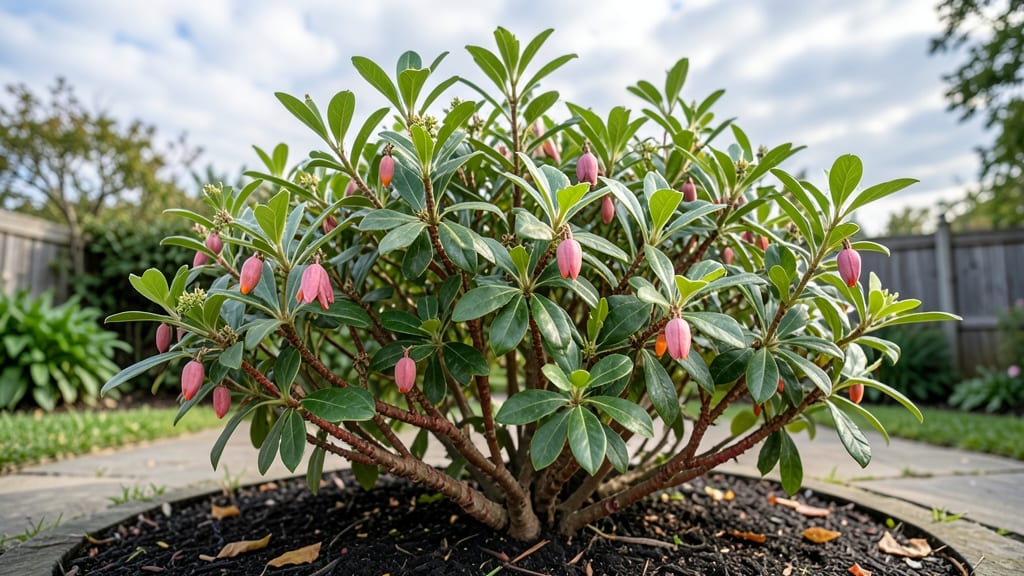
Curious about how tall does euonymus grow before it becomes a full-blown garden statement piece? This versatile shrub 🌿 can surprise you—some varieties stay neatly contained at just 3 feet, while others stretch toward the sky like a 15-foot sentinel.
If you're planning your landscape, knowing these height ranges is the key to avoiding awkward spacing mistakes. Whether you're working with a compact Euonymus japonicus or a towering Euonymus alatus, each variety has its own growth story—and pruning can shape it even further.
Let’s break down the mature heights by popular types, so you can pick the perfect fit for your garden. You’ll also discover how sunlight, soil, and seasonal care influence that final height—because even the most predictable plants need a little guidance.
Ready to turn your garden vision into reality? I’ll walk you through everything you need to know to keep your euonymus at the ideal height—whether that means trimming back a wild grower or letting a dwarf variety thrive without interference.


Euonymus mature height by popular variety: compact to towering shrubs
If you're planning your garden layout, knowing the mature height of your euonymus varieties is essential. These shrubs range from compact ground covers to tall privacy screens, with some varieties even growing into small trees.
The key is selecting the right type for your space—whether you need a low hedge or a statement shrub.
Euonymus plants are prized for their versatility in garden design, but their height can vary dramatically between species. For example, the dwarf varieties stay under 3 feet, while others can reach 15 feet or taller with proper care.
Understanding these differences will help you avoid overcrowding or underutilized space in your landscape.
Below, I’ve outlined the mature height ranges for some of the most popular euonymus cultivars, including their growth habits and spread measurements. This will give you a clear idea of how much space each variety needs to thrive.
| Variety | Mature Height | Spread | Growth Habit | Best For |
|---|---|---|---|---|
| Euonymus japonicus 'Green Giant' | 10–15 ft | 6–8 ft | Upright, fast-growing | Privacy screens, tall hedges |
| Euonymus alatus 'Compactus' | 3–5 ft | 4–6 ft | Compact, rounded | Foundation planting, small gardens |
| Euonymus fortunei 'Emerald Gaiety' | 4–6 ft | 5–7 ft | Bushy, spreading | Border planting, shade gardens |
| Euonymus radicans 'Witches Broom' | 6–10 ft | 4–6 ft | Weeping, unique form | Specimen plant, focal point |
| Euonymus europaeus | 12–15 ft | 8–10 ft | Tree-like, pyramidal | Large landscapes, woodland gardens |
As you can see, the Euonymus japonicus 'Green Giant' is one of the tallest varieties, making it ideal for privacy screens or background planting. On the other hand, Euonymus alatus 'Compactus' is perfect for small gardens or container growing due to its 3–5 foot height.
Always check the spread measurements too—some varieties like 'Emerald Gaiety' spread wider than they grow tall.
When planning your garden, consider the mature size of your euonymus to avoid overcrowding.
For example, planting a 15-foot variety too close to a patio or walkway will create maintenance challenges as it grows. Spacing guidelines typically recommend planting euonymus 3–5 feet apart for smaller varieties and 8–10 feet apart for taller ones.
Another factor to consider is the growth rate. Some euonymus varieties, like 'Green Giant', grow 2–3 feet per year, while others grow more slowly. If you're impatient for a quick privacy screen, faster-growing varieties are the way to go.
However, slower-growing types may require less frequent pruning to maintain their shape.
For urban gardens or small yards, I recommend sticking to dwarf varieties like 'Compactus' or 'Emerald Gaiety'. These stay manageable while still offering year-round interest with their colorful foliage and attractive berries. In larger landscapes, taller varieties can create dramatic focal points or natural barriers.
If you're unsure which variety to choose, consider your garden’s light conditions and soil type. Most euonymus thrive in partial shade, but some varieties tolerate full sun or deep shade.
Always check the specific care requirements for your chosen cultivar to ensure it will thrive in your space.
Finally, remember that pruning and training can influence the final height of your euonymus. Regular pruning can keep a tall variety in check, while allowing it to grow freely will result in its maximum height potential. With the right variety and care
How growth rate and pruning affect euonymus height over time
Euonymus plants grow at different rates depending on their variety and growing conditions. While some varieties like Euonymus japonicus may reach 6-10 feet in just 5-7 years, others like Euonymus fortunei stay compact at 2-3 feet even after a decade.
Understanding these growth patterns helps you plan for long-term garden design and maintenance.
One of the biggest factors influencing height is pruning frequency. Regular pruning can keep a 12-foot variety like Euonymus alatus 'Compactus' at a manageable 4-5 feet.
Without pruning, it can easily double in height within a few years. The key is timing—prune in late winter or early spring before new growth begins.
Soil quality also plays a critical role. Well-draining, nutrient-rich soil promotes faster growth, while poor soil can stunt a euonymus by 30-50%. Amend your soil with compost or organic matter before planting to encourage healthy root development and upward growth.
Over time, this can mean the difference between a 5-foot shrub and a 10-foot specimen.
Sunlight exposure affects height too. Most euonymus varieties thrive in partial shade, which keeps their growth steady but controlled. Full sun can accelerate height growth by up to 20% annually, while too much shade may result in leggy, weak stems.
Balance is key—aim for 3-6 hours of morning sun for optimal growth without excessive height.
Seasonal care also impacts long-term height. In spring and summer, focus on watering deeply (1-2 inches per week) to support vigorous growth. Reduce watering in fall and winter to slow growth slightly, which can help manage height naturally.
Mulching around the base with wood chips or straw retains moisture and regulates soil temperature, further influencing growth patterns.
If you're growing euonymus as a hedge or screen, plan for annual pruning to maintain your desired height. For example, a 6-foot target height for a Euonymus japonicus 'Green Giant' requires consistent pruning every 12-18 months.
Without it, this variety can easily surpass 12 feet in just a few years.
Remember, every euonymus plant has its own personality. Monitor your plant's growth closely, adjust your pruning and care routine as needed, and don’t hesitate to experiment with different techniques.
With the right approach, you can shape your euonymus into the perfect size for your garden—whether that’s a tidy 3-foot accent or a grand 12-foot focal point. 🌿