
How To
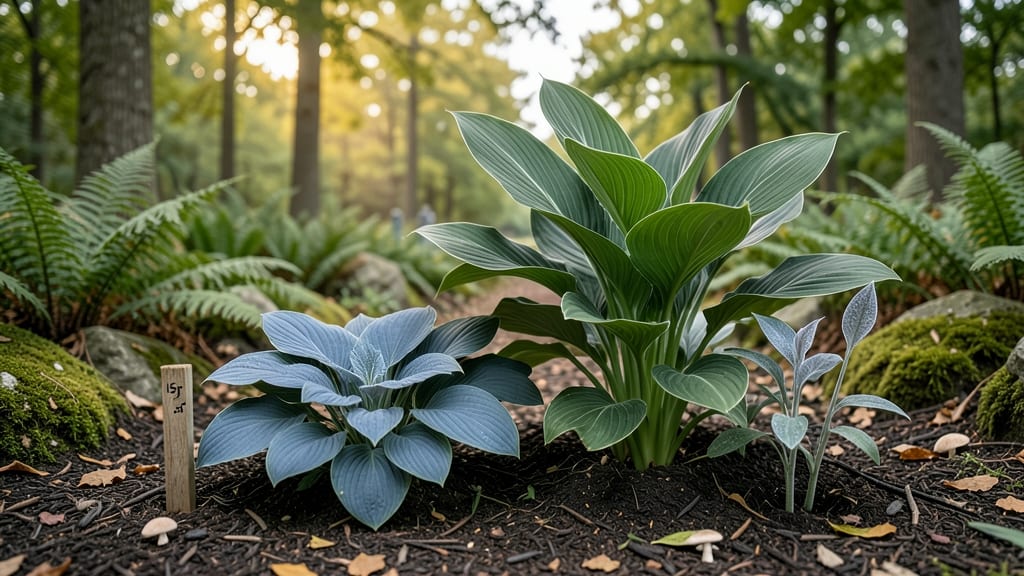
Hosta height ranges by variety: compact to giant sizes
Hostas are incredibly versatile plants, with mature heights ranging from dwarf varieties that stay under a foot tall to giant cultivars that can reach nearly four feet.
The size you choose will depend on your garden design goals—whether you want a lush ground cover, a striking focal point, or a container-friendly plant for patios. Understanding these height ranges helps you plan spacing and companion plants effectively.
Most hostas reach mature height within 2-3 years, though growth rates vary. Dwarf varieties like 'Blue Mouse Ears' max out at 6-12 inches, making them perfect for edging or rock gardens.
Meanwhile, giant varieties such as 'Sum and Substance' can tower 36 inches or taller, creating dramatic visual impact in shaded garden beds. Even within these extremes, foliage size often correlates with height—larger leaves typically mean taller plants.
Here’s how to visualize hosta sizes in your garden: imagine a standard office chair (18-24 inches) as a benchmark. Semi-dwarf hostas like 'Francee' will sit comfortably at this height, while dwarf varieties stay below it.
Giant hostas, however, will dwarf even a tall person (5-6 feet), making them ideal for creating vertical interest in shady corners.
| Variety Type | Mature Height | Foliage Size | Best For |
|---|---|---|---|
| Dwarf | 6–12 inches | 2–4 inches wide | Rock gardens, borders, containers |
| Semi-Dwarf | 1–2 feet | 4–8 inches wide | Patio pots, woodland gardens |
| Standard | 2–3 feet | 8–12 inches wide | Shade gardens, under trees |
| Giant | 3–4 feet+ | 12+ inches wide | Focal points, large shaded areas |
🌿 Pro Tip: Always check variety-specific tags—some 'standard' hostas can exceed 3 feet!
When selecting hostas, consider not just height but also spread. A 3-foot-tall hosta might spread 4 feet wide, so plan accordingly. For example, 'Guacamole' grows 24 inches tall but spreads 36 inches, making it ideal for filling gaps under trees.
Meanwhile, 'Halcyon', a dwarf variety, stays under 10 inches but spreads 24 inches, perfect for ground cover.
If you’re using hostas in containers, dwarf and semi-dwarf varieties thrive in 12-18 inch pots, while standard and giant types need 20+ inch containers to accommodate their root systems.
Always use well-draining soil and mulch to retain moisture, which encourages healthier growth and prevents leggy stems that can make plants appear taller than they should.
Another factor to consider is foliage texture. Hostas with thick, upright leaves (like 'Patriot') often grow taller, while those with wavy or horizontal leaves (like 'Francee') stay more compact.
This trait isn’t just aesthetic—it affects how light and air circulate around the plant, which can influence height over time.
For beginner gardeners, I recommend starting with semi-dwarf varieties like 'June' or 'Halcyon'. They’re forgiving, adaptable, and fit easily into most garden designs without overwhelming smaller spaces. Once you’re comfortable, experiment with taller varieties to add drama to your landscape.
Remember, hostas are perennials, meaning they’ll grow larger each year. If you plant a 12-inch hosta today, it could reach 24 inches by next summer and 36 inches in its third year. Plan for this gradual increase when designing your garden layout to avoid overcrowding.
Finally, don’t forget that climate plays a role. Hostas in cooler zones (like USDA Zone 4) may grow more slowly but reach similar mature heights.
In warmer zones (Zone 8+), they might grow faster but could become leggy without proper care. Adjust your expectations based on your local growing conditions.
Hosta height ranges by variety: compact to giant sizes
Hostas are incredibly versatile, with heights ranging from dwarf varieties that stay under a foot tall to giant cultivars that tower over three feet. The size you choose depends on your garden space and design goals—whether you want a low-border plant or a bold statement focal point.
Most hostas reach their mature height within 3–5 years, though growth slows significantly after the first few seasons.
For example, the 'Blue Mouse Ears' variety typically stays between 6–12 inches tall, making it perfect for rock gardens or container plantings. On the opposite end, 'Sum and Substance' can grow 3–4 feet tall with 2–3 foot-wide leaves, creating a dramatic backdrop for smaller perennials.
Even within the same variety, height can vary based on light exposure, soil fertility, and watering habits.
Here’s a quick reference to help you visualize how different hosta varieties compare in height and spread:
| Variety | Mature Height | Spread | Best For |
|---|---|---|---|
| 'Blue Mouse Ears' | 6–12 inches | 1–2 feet | Containers, rock gardens |
| 'Francee' | 1–2 feet | 2–3 feet | Border edges, shade gardens |
| 'Halcyon' | 2–3 feet | 3–4 feet | Mid-border planting |
| 'Sum and Substance' | 3–4 feet | 4–5 feet | Focal points, woodland gardens |
When selecting hostas, consider not just their height but also their leaf size—larger leaves often correlate with taller growth. For instance, 'Guacamole' has giant leaves (up to 18 inches long) and can reach 3–4 feet tall, while 'Patriot' stays more compact at 1–2 feet with medium-sized foliage.
Always check the cultivar description to avoid surprises in your garden design.
Pro tip: If you’re planting hostas in containers, choose dwarf or semi-dwarf varieties to prevent overcrowding. A 5-gallon pot works well for 6–12 inch hostas, while 15-gallon containers can accommodate 2–3 foot varieties. Just ensure the pot has drainage holes to prevent root rot, a common issue with hostas.
Remember, hostas are slow growers compared to annuals, so patience is key. In the first year, you’ll see minimal growth, but by year three, you’ll notice a significant increase in both height and foliage size.
Plan your garden layout accordingly to give them room to thrive without competing for space with other plants.