
How To
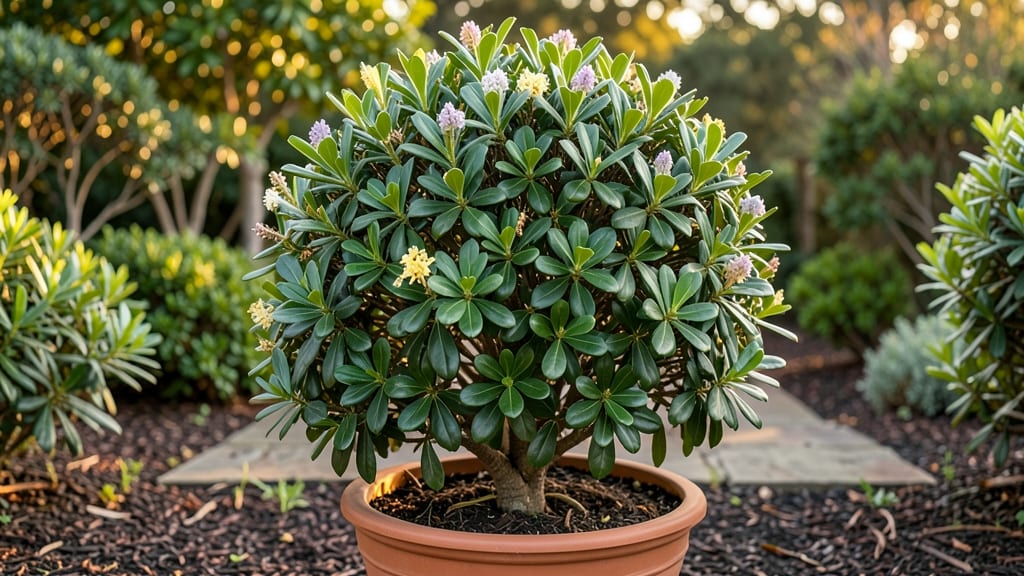
If you're dreaming of adding a pittosporum to your garden but wondering how tall it will grow, you're not alone. These evergreen shrubs can surprise you with their range—some barely reach your waist, while others grow tall enough to shade a small patio.
The key to predicting your pittosporum's height lies in choosing the right variety for your space. Compact types like 'Wheeler’s Dwarf' max out around 3–6 feet, making them perfect for small yards or container gardening.
On the other end, species like P. tobira can soar to 20 feet or more, turning into statement trees over time.
But height isn't just about genetics—your climate and soil play a huge role. In cooler zones like USDA 6a, growth may be slower, while warmer regions can push pittosporum to reach its full potential faster.
With the right care, even a towering variety can be managed to fit your landscape.
Ready to pick the perfect pittosporum for your garden? I'll walk you through the best options for small spaces, how to control growth, and why these versatile plants are a gardener's secret weapon. Let's get started!


Pittosporum height range: from dwarf varieties to 30-Foot giants
If you're planning your garden layout, understanding how tall pittosporum grows is essential. These evergreen shrubs offer a stunning range of heights—from 3-foot dwarf varieties to 30-foot tall trees—depending on the species and growing conditions.
Knowing these dimensions helps you choose the perfect pittosporum for your space, whether it's a cozy patio or a sprawling backyard.
Pittosporum growth varies dramatically between species and even within cultivars. For example, Pittosporum tobira typically reaches 10–20 feet tall, while Pittosporum crassifolium can soar up to 30 feet.
Meanwhile, dwarf varieties like Pittosporum tobira 'Wheeler’s Dwarf' stay under 6 feet, making them ideal for small gardens or container growing.
Growth rates also differ: some pittosporum varieties grow 1–2 feet per year, while others may take 5–10 years to reach their mature height. This slow-and-steady growth makes them low-maintenance choices for long-term landscaping.
🌱
| Variety | Mature Height | Growth Rate (per year) | Best For |
|---|---|---|---|
| Pittosporum tobira 'Wheeler’s Dwarf' | 3–6 ft | 6–12 inches | Small gardens, containers, hedges |
| Pittosporum tobira | 10–20 ft | 1–2 ft | Privacy screens, large landscapes |
| Pittosporum crassifolium | 20–30 ft | 2–3 ft | Tall hedges, woodland edges |
| Pittosporum tenuifolium | 6–12 ft | 1–1.5 ft | Medium hedges, coastal gardens |
| Pittosporum 'Tom Thumb' | 3–5 ft | 6–10 inches | Bonsai, small spaces |
When selecting a pittosporum, consider both its mature height and how quickly it grows. For example, Pittosporum tenuifolium grows faster than Pittosporum tobira, so if you need quick privacy, it’s a better choice.
Conversely, dwarf varieties like 'Tom Thumb' are perfect for container gardening or urban patios where space is limited.
Pruning plays a key role in managing height. Regular trimming can keep even tall varieties like Pittosporum crassifolium under control, while neglect can lead to unruly growth. Always prune in late winter or early spring to avoid damaging new growth.
Soil quality and sunlight also impact height. Pittosporum thrives in well-draining soil with partial shade, but too much shade can stunt growth. In ideal conditions, these shrubs can reach their full potential height, while poor conditions may slow their growth significantly.
For those in coastal climates, Pittosporum tenuifolium is a standout choice, often growing taller and more vigorously due to the mild, moist conditions. In contrast, inland areas may see slower growth unless provided with consistent moisture.
🌿
Pittosporum height range: from dwarf varieties to 30-Foot giants
Pittosporum plants offer an incredible range of mature heights, from 3-foot dwarf shrubs to 30-foot towering trees. Understanding these variations helps you choose the perfect variety for your space—whether you need a hedge plant or a statement focal point.
Most pittosporum species grow at a moderate pace, typically adding 1-2 feet per year during their first decade.
For quick results, fast-growing varieties like Pittosporum crassifolium can reach 15-20 feet in just 10 years, while slow-growing cultivars like Pittosporum tobira ‘Wheeler’s Dwarf’ max out at 4-6 feet. The key difference lies in their genetic growth habits and pruning responses, which we’ll explore further below.
| Variety | Mature Height | Growth Rate | Best For |
|---|---|---|---|
| Pittosporum tobira 'Wheeler's Dwarf' | 3-6 ft | Slow (6-12 in/year) | Small gardens, containers |
| Pittosporum tenuifolium | 6-12 ft | Moderate (1-2 ft/year) | Hedges, privacy screens |
| Pittosporum crassifolium | 15-20 ft | Fast (2-3 ft/year) | Large landscapes, focal points |
| Pittosporum undulatum | 20-30 ft | Very fast (3+ ft/year) | Tropical gardens, coastal plantings |
If you’re working with limited space, dwarf pittosporum varieties are your best bet. The ‘Wheeler’s Dwarf’ cultivar stays under 6 feet and thrives in containers or small gardens.
Even standard varieties like P. tobira can be pruned aggressively to maintain 5-8 feet of height. For larger properties, tall pittosporum trees like P. crassifolium create dramatic vertical interest.
One common misconception is that all pittosporum grow at the same rate. In reality, soil quality and sun exposure can accelerate growth by 30-50%.
For example, a P. tenuifolium in full sun might reach 10 feet in 5 years, while the same plant in partial shade could take 10 years to reach that height. Always check your specific variety’s light requirements before planting.
For urban gardeners, height control is essential. Regular pruning in late winter or early spring keeps pittosporum from outgrowing its space. Use sharp, sterilized shears to trim back 1/3 of the plant’s height annually if needed.
This method works especially well for hedge training or shaping into topiary forms.
Remember, pittosporum’s final height depends on three key factors: genetics, pruning habits, and growing conditions. With the right variety and care, you can enjoy this fragrant, evergreen beauty at any scale—from a window box to a backyard canopy. 🌿