
How To
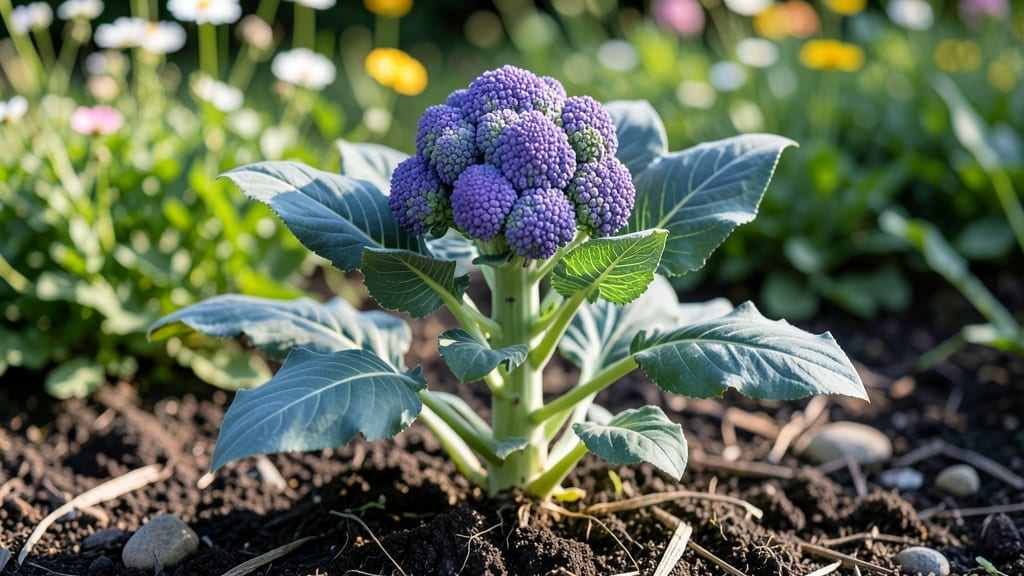
Ever wondered how tall your Purple Sprouting Broccoli 🥦 could grow if you gave it the perfect conditions? The answer might surprise you—this cold-hardy superstar can reach heights of 4-5 feet, towering over most garden vegetables and turning your backyard into a year-round harvest powerhouse.
What sets this variety apart is its incredible adaptability. In cooler climates like USDA Zone 6a, it thrives where other plants struggle, sending up sturdy stems that keep producing flavorful shoots from spring through fall.
But here's the catch: its height depends on factors like variety, soil quality, and how you support its growth.
If you're planning your garden layout, knowing these height secrets is game-changer for maximizing space and yield. Whether you're a first-time gardener or a seasoned pro, I'll break down everything you need to encourage that perfect height—from staking techniques to pruning tips that keep your plants happy and productive.
Ready to transform your garden into a high-yielding purple broccoli haven? Let's dive into the details so you can grow like a pro, no matter your experience level.


Purple Sprouting broccoli height by variety: growth charts and space requirements
Purple sprouting broccoli isn’t your average garden vegetable—it’s a towering biennial that thrives in cool climates and can reach heights that will make your neighbors take notice. While most varieties clock in between 3 to 5 feet tall, some can even stretch toward 6 feet with ideal conditions.
The key? Understanding how each variety grows and planning your garden space accordingly.
If you’re wondering whether your backyard can accommodate this vertical veggie giant, the answer depends on the variety you choose. Some, like the classic 'Purple Sprouting' type, grow tall and slender, while others, such as 'Violetta', stay slightly shorter but produce denser shoots.
Let’s break down the height ranges and spacing needs for the most popular varieties so you can plan your harvest like a pro.
📊 Visual Growth Comparison
As you can see, 'Purple Tree' is the tallest variety, often needing staking or trellising to support its weight. Meanwhile, 'Romanesco' stays shorter but produces denser, more compact shoots perfect for small gardens.
Pro tip: If you’re growing in containers, opt for 'Violetta'—it’s the most adaptable to pots with proper support.
Spacing is critical for two reasons: air circulation to prevent fungal diseases and sunlight exposure to maximize shoot production. For example, planting 'Purple Sprouting' too closely can stunt growth by 20–30% due to competition. Always leave extra room if you’re aiming for those 5-foot giants!
Another factor that influences height is your climate zone. In cooler regions (USDA zones 3–6), purple sprouting broccoli often grows taller because the longer growing season allows it to mature fully.
In warmer zones, you’ll need to plant in partial shade and harvest earlier to prevent bolting, which can limit height.
For a year-round harvest, I recommend planting a mix of varieties. Start with 'Purple Sprouting' in early spring, followed by 'Violetta' in late summer for a fall harvest. This staggered approach ensures you’re always getting fresh shoots while managing the vertical space efficiently.
One common mistake is assuming all purple sprouting broccoli grows the same. 'Purple Tree', for instance, can easily outgrow a 6-foot fence if left unsupported.
If you’re tight on space, consider growing it against a trellis or tall cage to save garden real estate while still enjoying its impressive height.
🌱
Purple Sprouting broccoli height by variety: growth charts and space requirements
Understanding purple sprouting broccoli height is key to planning your garden layout and maximizing harvests. Most varieties reach 4 to 5 feet tall at maturity, but some can stretch up to 6 feet under ideal conditions.
The tallest varieties like 'Purple Sprouting' excel in cooler climates, while shorter types like 'Violetta' stay around 3 to 4 feet—perfect for smaller gardens.
Height isn't the only factor—spacing requirements matter too. Crowding stunts growth, so allow 18 to 24 inches between plants for optimal air circulation. In tight spaces, consider dwarf varieties or vertical growing methods to save room without sacrificing yield.
🌱 Purple Sprouting Broccoli Height Comparison
| Variety | Mature Height | Spread | Ideal Spacing |
|---|---|---|---|
| Purple Sprouting | 4–6 ft | 2–3 ft | 24 in |
| Romanesco | 3–5 ft | 1.5–2.5 ft | 18 in |
| Violetta | 3–4 ft | 1.5 ft | 18 in |
Note: Heights vary by climate—cooler regions yield taller plants.
Climate plays a huge role in purple sprouting broccoli growth. In USDA Zones 6–9, plants thrive with cool spring and fall temperatures, often reaching their full height by late autumn.
However, in warmer zones, they may bolt prematurely, staying shorter. For year-round harvests, succession planting in early spring and late summer works best.
Proper soil preparation also boosts height. Amend your soil with compost and aged manure before planting to ensure strong root development. A pH of 6.0–7.0 and well-draining soil prevent stunted growth. If your garden soil is heavy clay, consider raised beds for better drainage and taller, healthier plants.
Don’t overlook harvest timing—it directly impacts future growth. Cut main stems at 6–8 inches tall, leaving lower shoots to regrow. Side shoots can reach 3–4 feet tall, providing multiple harvests per plant. This pruning technique encourages vertical growth and extends your harvest window by several months.
For small-space gardens, try trellising or vertical supports. Tall varieties like 'Purple Sprouting' can climb 6-foot stakes or wire cages, saving ground space while maximizing height. Just ensure your support system is sturdy—these plants get heavy with moisture!