
How To
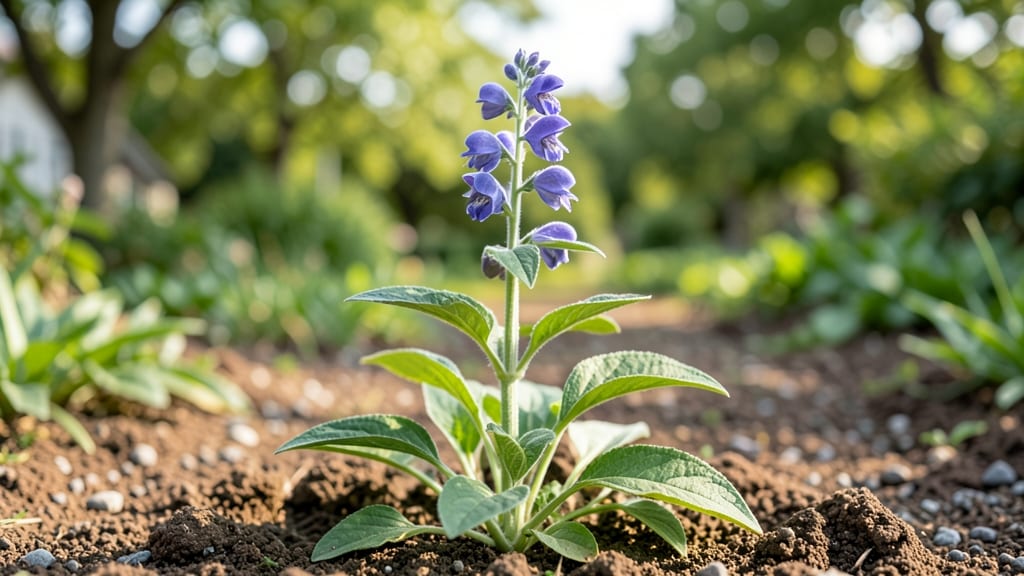
If you're wondering "how tall does skullcap grow", the answer might surprise you—because this hardy herb can range from a low-spreading ground cover to a sturdy 2- to 3-foot perennial, depending on the variety and growing conditions.
Whether you're planning a medicinal garden or a pollinator-friendly landscape, knowing these height differences is key to creating a space that thrives.
Skullcap 🌸 isn’t just one-size-fits-all; some types, like Scutellaria galericulata, stay compact at just 1-2 feet, making them perfect for borders or container gardens. Others, such as Scutellaria baicalensis, can reach their full 3-foot height in just one growing season, adding vertical interest to your garden.
The good news? With the right pruning and soil conditions, you can even influence how tall (or short) your plants grow.
But here’s the catch: sunlight, soil drainage, and even your zone (like USDA Zone 6a) play a huge role in determining whether your skullcap will stay modest or stretch toward the sky.
In my experience, partial shade and well-draining soil keep plants bushier and more manageable—while too much sun or rich soil can send them reaching for the heavens. Let’s break down the specifics so you can choose the perfect variety for your space.
Ready to transform your garden? I’ll share not just the height ranges for popular skullcap varieties but also pruning secrets and growth hacks to keep your plants at your ideal height—whether you want a lush ground cover or a towering medicinal powerhouse. Let’s get started!


Skullcap height by variety: from creeping ground covers to towering perennials
Skullcap (Scutellaria spp.) offers a stunning range of heights, from low-spreading ground covers to upright perennials reaching nearly 3 feet. Understanding these variations helps you choose the perfect variety for your garden design—whether you need a border plant, medicinal herb, or pollinator magnet.
Let’s break down the most popular types and their mature heights.
Most skullcap varieties fall into three height categories: dwarf (1-1.5 ft), medium (1.5-2.5 ft), and tall (2.5-3 ft). The key factor? Growing conditions—especially sunlight and soil fertility—can push plants 1-2 feet taller or keep them compact.
For example, Scutellaria baicalensis (Chinese skullcap) thrives in full sun and can hit 3 feet, while Scutellaria parvula stays under 1 foot in partial shade.
Here’s a quick reference for spacing: Upright varieties need 12-18 inches between plants, while spreading types (like S. galericulata) should get 6-12 inches to prevent overcrowding. Overpacking stunts growth and invites fungal diseases like powdery mildew.
| Variety | Mature Height | Growth Habit | Spacing | Best For |
|---|---|---|---|---|
| Scutellaria baicalensis | 2–3 ft | Upright | 18 in | Medicinal gardens, borders |
| Scutellaria galericulata | 1–2 ft | Spreading | 6–12 in | Wildflower meadows, pond edges |
| Scutellaria lateriflora | 1.5–2.5 ft | Semi-upright | 12 in | Pollinator gardens, woodland edges |
| Scutellaria incana | 1–1.5 ft | Low mounding | 6–10 in | Rock gardens, containers |
| Scutellaria parvula | 6–12 in | Creeping | 4–6 in | Ground cover, alpine gardens |
| Scutellaria alpina | 2–3 ft | Clumping | 18 in | Mountain gardens, trellises |
🌱 Pro Tip: Tall varieties like S. alpina benefit from staking to prevent flopping, especially in humid climates.
If you’re growing skullcap for medicinal use, prioritize Scutellaria baicalensis or S. lateriflora—both reach heights ideal for harvesting leaves and flowers. For ornamental gardens, mix heights: Place taller types (2.5+ ft) at the back and low-spreading varieties (under 1 ft) in the front.
This creates a dynamic layered look while maximizing vertical space.
One common mistake? Assuming all skullcaps have the same care needs. For instance, woolly skullcap (S. incana) thrives in dry, rocky soil and stays under 1.5 feet, while wild bergamot (S. lateriflora) loves moist, rich soil and can sprawl to 2.5 feet.
Always check your variety’s native habitat—it’s the best predictor of its growth habits.
For container gardening, dwarf varieties like S. parvula shine. Plant them in 6-inch pots with well-draining mix and expect 12-inch spreads. Taller types (e.g., S. baicalensis) need 10-inch pots and may require pruning to stay within bounds. Remember: Root-bound plants grow slower and produce fewer flowers.
Light conditions dramatically affect height. Most skullcaps prefer partial shade (3–6 hours of sun), but full-sun varieties (S. baicalensis) can grow 20% taller with morning sun. Too much shade? Expect stunted growth and leggy stems. Conversely, overly hot afternoons
How pruning affects skullcap height: when and how to control growth
Pruning is one of the most effective ways to control skullcap height and shape, but timing and technique matter. If you prune too early or too aggressively, you might stunt flowering or reduce the plant’s medicinal compound production.
On the other hand, strategic pruning can encourage bushier growth, more vibrant blooms, and even taller stems in some varieties.
For most skullcap varieties, the best time to prune for height control is late winter or early spring, just as new growth begins. This removes dead or weak stems while allowing the plant to redirect energy into stronger, healthier growth.
Varieties like Scutellaria baicalensis (Chinese skullcap) respond well to hard pruning, while ground-cover types like Scutellaria parvula need only light trimming to maintain their compact form.
If you’re growing taller skullcap varieties like Scutellaria alpina (alpine skullcap), prune in early summer to encourage a second flush of blooms. Pinch back the tips of new growth by about one-third to promote branching.
This method works best for upright varieties and helps them reach their full 2-3 foot height potential without becoming leggy.
For ground-cover skullcaps, such as Scutellaria galericulata, prune lightly in spring and fall to maintain their low, spreading habit. Shear back overgrowth by no more than 25% to avoid exposing the soil to weeds.
This variety typically stays under 12 inches tall, so aggressive pruning can lead to bare patches.
One common mistake gardeners make is pruning too late in the season. Cutting back skullcap in fall or winter removes the plant’s energy reserves, leaving it vulnerable to frost damage. Always finish pruning by mid-October in most climates to give the plant time to recover before dormancy.
To maximize both height and flowering potential, combine pruning with proper fertilization. After pruning, apply a balanced 5-10-10 fertilizer to support new growth. For varieties like Scutellaria lateriflora (wild bergamot), this encourages taller stems while maintaining a bushy form.
Always water deeply after fertilizing to help the roots absorb nutrients.
With the right pruning approach, you can shape your skullcap to fit your garden perfectly—whether you want a towering perennial border or a neat ground cover. Experiment with timing and intensity to find what works best for your specific variety and climate. 🌿