
How To
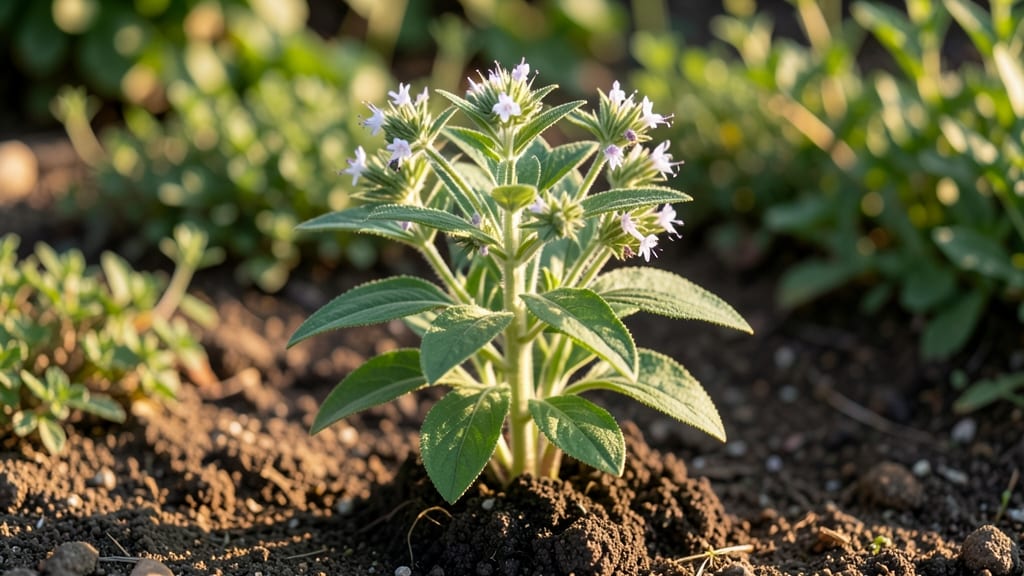
Wondering how tall does stevia grow before it takes over your garden? This sweet little herb 🌿 stays surprisingly compact—usually between 12 and 24 inches—making it perfect for small spaces, containers, or even kitchen windowsills.
Stevia thrives in tight quarters, so you won’t need a sprawling garden to enjoy its natural sweetness. Whether you’re growing it in pots or directly in the soil, its manageable height means it fits right into almost any gardening setup—no matter how limited your space.
But here’s the kicker: with the right care, you can keep it even smaller or let it reach its full potential. I’ll show you how to control its growth, from pruning tips to ideal planting conditions, so you can grow stevia exactly the way you want.
Ready to discover how easy it is to cultivate this versatile herb without sacrificing space? Let’s dive into the details that will help you grow stevia perfectly—whether you’re a beginner or a seasoned gardener.


Stevia growth height by variety: compact options for small spaces
Stevia (Stevia rebaudiana) is one of the most space-efficient herbs you can grow, typically reaching 12 to 24 inches tall under ideal conditions. Unlike its aggressive cousin mint, stevia grows in a compact, bushy form that thrives in containers or small garden beds.
The key to managing its height lies in understanding the varieties and their growth habits.
Most container-grown stevia stays between 12–18 inches, making it perfect for windowsills or patio pots. However, some varieties—like Stevia serrata—can stretch up to 36 inches if given ample space and sunlight. Knowing your variety’s tendencies helps you plan spacing and pruning strategies to keep it tidy.
Here’s how different stevia varieties compare in terms of height and growth habits, so you can choose the best fit for your space:
| Variety | Mature Height | Growth Habit | Best For |
|---|---|---|---|
| Stevia rebaudiana | 12–24" | Bushy, upright | Containers, small gardens |
| Stevia serrata | 24–36" | Taller, leggy if unsupported | Larger gardens, trellises |
| Dwarf varieties (e.g., 'Sweet Mary') | 10–16" | Compact, slow-growing | Windowsills, indoor pots |
If you’re growing stevia in containers, opt for dwarf varieties or prune regularly to keep it under 18 inches. A 5–7 gallon pot provides enough root space for most varieties, while smaller pots (3–5 gallons) work for dwarf types.
The key is ensuring well-draining soil and adequate sunlight—both critical for preventing leggy growth.
Stevia’s height also depends on your climate zone. In USDA Zones 9–11, it grows as a perennial, reaching its full height by the second year.
In cooler zones (6–8), treat it as an annual—it’ll focus energy on leaf production rather than height, staying under 24 inches if pruned.
For maximum sweetness, harvest leaves when the plant is 6–12 inches tall. Waiting too long lets it grow taller but reduces the glycoside content (the natural sweetener). Pinch back the tips of young plants to encourage bushier growth and shorter stature.
One common mistake is assuming all stevia grows the same height. Stevia serrata, for example, can double the height of Stevia rebaudiana if not pruned. Always check your seed packet or plant tag for variety-specific details to avoid surprises in your garden.
With the right variety and care, stevia’s compact size makes it one of the easiest herbs to grow—even in the tightest spaces. Whether you’re growing it for sugar-free sweeteners or just love its silvery-green foliage, its manageable height is a major plus for small gardens.
Stevia growth height by variety: compact options for small spaces
Stevia (Stevia rebaudiana) is one of the most space-efficient herbs you can grow, typically reaching 12 to 24 inches at maturity—perfect for containers, windowsills, or small gardens. Unlike mint, which spreads aggressively, stevia stays bushy and compact, making it ideal for urban gardeners with limited space.
Most common varieties, like Stevia rebaudiana, max out around 2 feet tall under ideal conditions. However, some wild varieties (like Stevia serrata) can grow taller—up to 36 inches—if given rich soil and full sun.
The key to controlling height lies in pruning, container size, and sunlight exposure.
| Variety | Mature Height | Best For | Notes |
|---|---|---|---|
| Stevia rebaudiana | 12–24 inches | Containers, windowsills | Sweetest variety; prune to encourage bushiness |
| Stevia serrata | 24–36 inches | Garden beds, larger pots | Taller but less sweet; needs staking |
| Dwarf varieties | 8–12 inches | Indoor growing, small pots | Ideal for herb gardens or kitchen windows |
For container growing, choose pots at least 12 inches deep to accommodate roots without crowding.
If you’re growing stevia in garden beds, space plants 12–18 inches apart to prevent overcrowding and encourage airflow, which reduces disease risk. Overcrowding is a common mistake that leads to leggy, weak growth—so plan your spacing carefully!
Stevia is a perennial in warm climates (USDA Zones 9–11) but often treated as an annual in colder regions.
Even in perennial zones, it rarely exceeds 3 feet unless left unpruned. Regular pruning (every 4–6 weeks) keeps it compact and productive, ensuring a steady supply of sweet leaves for teas or cooking.
One of the biggest myths about stevia is that it self-seeds aggressively like mint. In reality, it rarely spreads unless you allow it to go to seed. To prevent unwanted seedlings, deadhead flowers (remove seed heads) as they appear. This keeps your stevia tidy and contained while maximizing your harvest.
If you’re growing stevia for maximum sweetness, focus on dwarf varieties in well-draining containers. These thrive in partial shade (4–6 hours of sun) but produce the most flavorful leaves when given full sun.
Just remember: more sun = taller growth, but less sun = bushier, sweeter leaves—so adjust based on your goals!