
How To
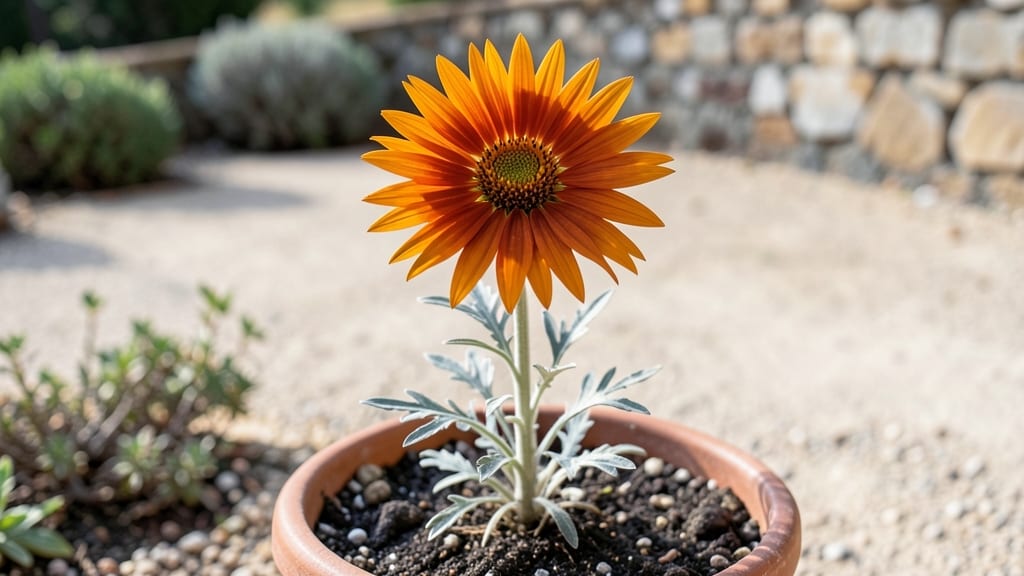
Wondering how tall does strawflower grow before you commit to planting these cheerful 🌼 blooms? The answer might surprise you—these drought-resistant beauties can range from compact 1-foot varieties to towering 3-foot giants, depending on the type and growing conditions.
If you're planning a garden bed or container display, knowing the mature height of your strawflower is key. Some varieties stay neatly contained at 12-18 inches, perfect for borders, while others reach 2-3 feet, making them ideal for cut flowers or back-of-the-border drama.
The good news? Their growth habits are predictable, so you can plan with confidence.
But here's the twist: seasonal care plays a bigger role than you might think. Too much water or poor soil can stunt their growth, while the right balance of sun and nutrients helps them reach their full potential.
I'll show you exactly how to encourage the height you want—whether that's a bushy 1-foot plant or a tall 3-foot statement piece.
Ready to transform your garden with these easy-care flowers? Let's break down the height ranges by variety and the simple tricks to keep them thriving—no green thumb required.


Strawflower height ranges by variety: compact to towering options
Strawflowers (Helichrysum bracteatum) are prized for their long-lasting blooms and drought tolerance, but their height varies dramatically depending on the variety. Whether you're designing a container garden or a border bed, knowing these differences helps you plan spacing and support needs.
Most varieties reach maturity in 8-12 weeks after planting, with heights ranging from 12 inches to over 3 feet.
For example, the Dwarf Strawflower varieties like 'Mona Lisa' stay under 18 inches tall, making them perfect for window boxes or rock gardens.
On the other hand, taller varieties like 'Limelight' or 'Peppermint Twist' can stretch up to 36 inches, ideal for cut flower arrangements or back-of-border plantings. Understanding these ranges ensures your garden layout maximizes both aesthetics and functionality.
Here’s how to choose based on your space and style:
| Variety | Mature Height | Best For | Notes |
|---|---|---|---|
| 'Mona Lisa' | 12-18 inches | Containers, borders | Compact, great for small spaces |
| 'Limelight' | 24-30 inches | Cut flowers, back borders | Tall stems, long-lasting blooms |
| 'Dwarf Strawflower' | 12-15 inches | Rock gardens, edging | Slow-spreading, low-maintenance |
| 'Peppermint Twist' | 24-36 inches | Dried arrangements, tall borders | Sturdy stems, great for drying |
| 'Mona Lisa Mix' | 18-24 inches | Pollinator gardens, mixed borders | Colorful, attracts bees |
If you’re growing strawflowers for cut flowers, taller varieties like 'Limelight' or 'Peppermint Twist' are ideal because their long stems (up to 3 feet) hold up well in vases. For container gardening, dwarf varieties like 'Mona Lisa' thrive in 5-gallon pots with just 12-18 inches of space.
Always check seed packets for specific height ranges, as some hybrid varieties may exceed typical expectations.
Another factor to consider is growth habit. Strawflowers typically grow in a bushy, mounded shape, so their spread can be nearly as wide as their height. This means a 2-foot-tall variety might also spread 18-24 inches, requiring 12-18 inches of space between plants.
Plan accordingly to avoid overcrowding, which can lead to pale blooms or reduced vigor.
For year-round interest, taller varieties can be pruned back after the first flush of blooms to encourage a second round of flowers later in the season.
This technique works especially well for varieties like 'Limelight,' which can produce new growth up to 12 inches tall if cut back by one-third after the initial bloom cycle. Just be sure to use clean, sharp pruners to avoid damaging the stems.
When planting, consider your garden’s microclimate. Strawflowers in full sun (at least 6-8 hours daily) will naturally grow taller and bushier than those in partial shade, where they may stay shorter and leggier.
If you’re in a cooler climate (USDA Zones 3-5), opt for dwarf varieties or use season extenders to protect taller plants from late frosts.
One common mistake is assuming all strawflowers grow the same height. For instance, the 'Dwarf Strawflower' series stays under 15 inches, while 'Peppermint Twist' can reach 3 feet.
Mixing varieties in the same bed without spacing can lead to competition for nutrients and reduced bloom quality. Always group similar-sized varieties together for a neat,
Strawflower height ranges by variety: compact to towering options
Strawflowers (Helichrysum bracteatum) are prized for their long-lasting blooms and drought tolerance, but their height varies dramatically depending on the variety you choose.
If you're planning your garden layout, knowing these differences will help you decide whether to plant them in borders, containers, or as focal points. Most varieties fall between 12 inches and 3 feet tall, but some dwarf types stay under a foot, while taller selections can reach nearly waist height.
For example, the 'Mona Lisa' variety is a compact choice, typically maturing at just 12–18 inches tall, making it perfect for window boxes or front-of-border plantings.
On the other end of the spectrum, the 'Limelight' series can grow 2.5–3 feet tall, ideal for back-of-border displays or mixed perennial beds where height is an asset. These variations mean you can easily customize your garden’s vertical layers with strawflowers.
| Variety | Mature Height | Best For |
|---|---|---|
| 'Dwarf Strawflower' | 12–18 inches | Containers, window boxes, front borders |
| 'Mona Lisa' | 18–24 inches | Cut flowers, mixed borders, pollinator gardens |
| 'Limelight' | 24–36 inches | Back borders, tall arrangements, cottage gardens |
| 'Rainbow Series' | 18–24 inches | Colorful borders, pollinator-friendly zones |
Height isn’t the only factor to consider—growth habit matters too. Dwarf varieties like 'Dwarf Strawflower' grow in a bushy, rounded form, while taller types like 'Limelight' often develop a more upright, slightly sprawling habit.
This means you can use them to fill gaps in your garden or create vertical interest by pairing them with climbing plants like morning glories or clematis. For example, a 2-foot-tall strawflower will complement a 3-foot sunflower beautifully in a mixed border.
If you're growing strawflowers for cut arrangements, taller varieties like 'Limelight' will provide longer stems, but don’t overlook the shorter types—their compact size makes them ideal for small bouquets or dried flower arrangements. Pro tip: Pinch back young plants to encourage bushier growth and more blooms, which can slightly reduce height but increase overall fullness.
This works especially well for varieties that tend to grow leggy, like 'Rainbow Series'.
Another key consideration is how strawflowers perform in different climates. In warmer zones (USDA 8–10), they often grow taller and more vigorously, while in cooler regions (USDA 6–7), they may stay shorter unless given extra care like extended sunlight and well-draining soil.
For instance, in my Zone 7 garden, 'Mona Lisa' typically hits 20–22 inches, whereas in Zone 9, it can reach closer to 24 inches with the same care.
Whether you're aiming for a low-maintenance ground cover or a striking vertical accent, strawflowers offer flexibility. Start with dwarf varieties for small spaces or containers, and opt for taller types if you want to add height to your garden’s back rows.
Just remember: the more sunlight and good soil you provide, the taller and more robust your strawflowers will grow! 🌼