
How To
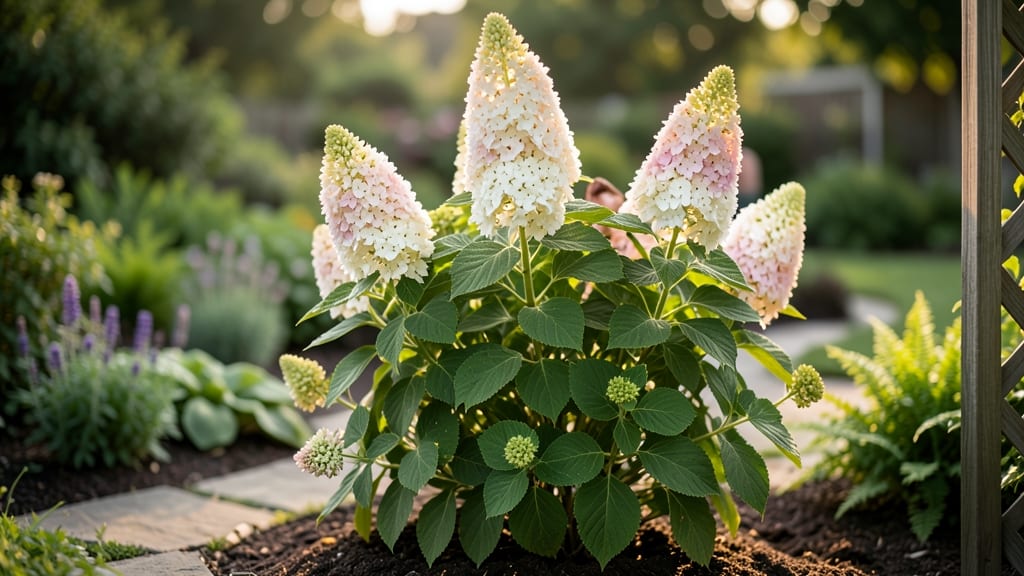
If you’ve ever wondered how tall hydrangeas grow and whether your garden’s blooms will become unruly giants or stay neatly contained, the answer lies in understanding their natural growth patterns—and a few clever pruning secrets.
Hydrangeas like the 🌸 mophead or panicle varieties can shoot up to 8 feet tall if left unchecked, while dwarf types max out around 3 feet. The difference?
Pruning at the right time and with the right technique can shrink their height by 30% or more, keeping them manageable without sacrificing those showstopping blooms.
But here’s the catch: not all hydrangeas respond the same way to pruning. Some thrive with a late-winter trim, while others need a gentler touch in early spring. I’ll break down the exact methods to control their height—plus the 5 biggest mistakes that turn your hydrangeas into jungle giants.
Ready to transform your garden? Let’s dive into the science (and art) of keeping your hydrangeas lush, blooming, and—most importantly—within bounds.


Hydrangea height by variety: how tall they grow naturally
Hydrangeas are stunning shrubs that can dramatically transform your garden, but their mature height varies wildly depending on the variety. Some stay compact enough for containers, while others become towering garden focal points.
Understanding these differences helps you choose the right type for your space and prune effectively to control their growth.
Most hydrangeas reach their full height in 3-5 years, with growth slowing as they mature. For example, a dwarf variety like 'Little Lime' may stay under 3 feet tall, while a standard 'Annabelle' can soar to 5-6 feet.
The key to managing their size lies in selecting the right type and providing proper care from the start.
Here’s how the most popular hydrangea types compare in terms of height, spread, and growth habits. This knowledge will help you plan spacing and pruning strategies to keep your hydrangeas at your desired height.
| Variety | Mature Height | Spread | Growth Habit | Best For |
|---|---|---|---|---|
| Mophead (Bigleaf) | 3-6 ft | 3-5 ft | Bushy, rounded | Borders, containers (dwarf types) |
| Panicle | 4-12 ft | 4-8 ft | Upright, vase-shaped | Tall hedges, privacy screens |
| Oakleaf | 6-8 ft | 5-7 ft | Multi-stemmed, arching | Woodland gardens, shade areas |
| Smooth (Annabelle) | 3-5 ft | 3-4 ft | Rounded, dense | Foundation plantings, cottage gardens |
| Dwarf Varieties (e.g., 'Little Lime') | 2-3 ft | 2-3 ft | Compact, bushy | Containers, small gardens |
When planning your garden layout, consider not just the height but also the spread of each variety. For example, a panicle hydrangea like 'Limelight' can grow 8-12 feet tall, making it ideal for tall hedges or privacy screens.
In contrast, a mophead hydrangea like 'Endless Summer' typically stays between 3-5 feet, perfect for borders or foundation plantings.
For containers or small spaces, dwarf varieties are your best bet. Types like 'Mini Penny' or 'Little Lime' stay under 3 feet tall and thrive in pots, allowing you to move them around your patio or balcony.
Just ensure the container is at least 12-15 inches wide to accommodate their root system.
Another critical factor is sunlight exposure. Most hydrangeas prefer morning sun and afternoon shade, especially in hot climates. Too much direct sunlight can stress the plant, leading to stunted growth or leaf scorch.
If you’re growing a tall variety like a panicle hydrangea, plant it where it won’t be overshadowed by taller trees or structures.
Proper spacing is essential for airflow and disease prevention. For example, plant mophead hydrangeas 3-5 feet apart to allow room for their spread.
If you’re growing them near a fence or wall, leave at least 2 feet of clearance to avoid crowding, which can lead to pests or fungal issues.
One of the biggest misconceptions about hydrangeas is that they grow indiscriminately tall without intervention. In reality, their height is heavily influenced
Pruning techniques to control hydrangea height by 30% or more
Pruning isn’t just about shaping—it’s the secret weapon to controlling hydrangea height without sacrificing blooms. With the right cuts, you can reduce a 6-foot oakleaf hydrangea to a manageable 4 feet in just one season.
The key? Timing and technique. Late winter or early spring is ideal for most varieties, but panicle hydrangeas (like 'Limelight') bloom on new wood, so they’re more forgiving with summer pruning.
Start by removing dead or crossing branches first—they compete for nutrients and stunt growth. Next, focus on cutting back last year’s growth by ⅓ to ½, depending on your height goal.
For mophead hydrangeas (like 'Endless Summer'), prune just after flowering to encourage bushier, shorter growth next year. Always use clean, sharp pruners to avoid tearing bark, which invites disease.
Step-by-Step Pruning Guide for Height Control
- Step 1: Identify the Variety
Know if your hydrangea blooms on old wood (like 'Annabelle') or new wood (like 'Little Lime'). Old-wood types need pruning right after flowering; new-wood types can be pruned in late winter.
- Step 2: Remove Dead Wood
Cut out brown, brittle branches at the base. This improves airflow and reduces height by eliminating weak stems.
- Step 3: Thin Out Crowded Branches
Look for crossing or rubbing branches. Remove 1-2 branches per cluster to open the center and shorten overall height.
- Step 4: Cut Back by ⅓ to ½
For height reduction, prune last year’s growth back to a bud or lateral branch. Aim for a 45-degree angle to encourage outward growth.
- Step 5: Shape for Balance
Step back and check for symmetry. Trim uneven areas to maintain a natural, compact shape.
Pro tip: If your hydrangea is too leggy, prune in stages over 2-3 years. Cut back one-third each year to avoid shocking the plant.
For panicle hydrangeas, you can even prune in summer to control height mid-season, but avoid heavy cuts after July to preserve next year’s blooms.
After pruning, apply a 2-inch layer of mulch around the base to retain moisture and reduce stress. Water deeply to help the plant recover. With consistent pruning, you’ll see 30% or more height reduction in just one growing season—plus, your hydrangeas will bloom earlier and more abundantly.
Remember, less is more with hydrangeas. Over-pruning can lead to sparse blooms, while under-pruning lets them grow unchecked. Aim for a balance between height control and encouraging new growth. With practice, you’ll master the art of pruning for perfection—no towering giants in sight! ✂️🌿