
How To
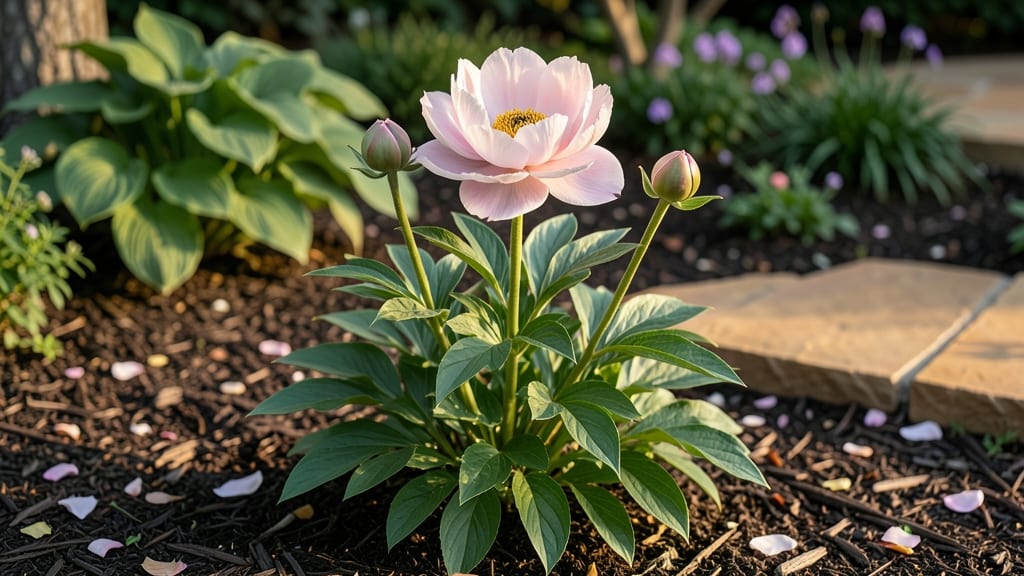
Peony height and growth habits: what to expect by variety
Peonies are one of the most rewarding garden plants, but their growth habits vary dramatically by type. Understanding these differences is key to planning your garden layout and ensuring those show-stopping blooms thrive. From delicate dwarf varieties to towering tree peonies, each type has unique spacing and support needs.
The most common peony types—herbaceous, intersectional, and tree peonies—all reach maturity at different rates and heights. Herbaceous peonies, the classic garden favorite, typically mature between 2 to 3 feet, while tree peonies can soar up to 4 feet or taller.
Knowing these distinctions helps you avoid overcrowding and weak stems.
Here’s how peony heights break down by variety, along with growth timelines to help you plan ahead:
| Peony Type | Mature Height | Growth Rate (Years to Maturity) | Key Notes |
|---|---|---|---|
| Herbaceous Peonies | 2–3 ft | 2–3 years | Die back to ground each winter; fast growers with bold blooms. |
| Intersectional Peonies | 3–4 ft | 3–4 years | Hybrid vigor; taller stems with fragrant blooms; need staking. |
| Tree Peonies | 3–5 ft | 4–5 years | Woody stems; evergreen foliage; slow but long-lived. |
| Dwarf Peonies | 1–2 ft | 1–2 years | Perfect for borders or containers; minimal staking needed. |
If you’re planting herbaceous peonies, expect them to reach their mature height in just 2–3 years.
These varieties are the fastest growers and will reward you with lush foliage and dramatic blooms sooner than their taller counterparts. Tree peonies, on the other hand, take 4–5 years to reach their full height, but their long lifespan—often 50+ years—makes them a worthwhile investment for patience.
One common misconception is that peonies grow uniformly in all climates. In reality, cooler climates (USDA Zones 3–7) encourage slower, stockier growth, while warmer regions (Zones 8–9) may see taller, leggier stems.
For example, a tree peony in Zone 5 might max out at 4 feet, but the same variety in Zone 8 could stretch to 5 feet without proper support.
Another factor affecting height is sunlight exposure. Peonies thrive in full sun (6+ hours daily), but insufficient light can stunt growth and reduce bloom size. If your garden is shadier, opt for dwarf varieties or intersectional hybrids, which tolerate partial shade better than standard types.
Proper soil drainage also plays a role. Peonies hate soggy roots, which can lead to root rot and stunted growth. Amend heavy clay soil with compost or sand to ensure water drains freely. Well-draining soil encourages deeper root systems, which in turn supports taller, stronger stems.
When planning your garden, consider how peonies will interact with other plants. Taller varieties like tree peonies can create stunning focal points, but they’ll need 3–4 feet of clearance on all sides to avoid shading out smaller companions.
Pair them with low-growing perennials like lavender or salvia to create a layered, textured display.
For herbaceous peonies, aim for 18–24 inches of space between plants. This spacing allows for airflow, reducing the risk of fungal diseases like botrytis blight, which thrives in crowded, damp conditions.
If you’re planting in containers, choose large pots (at least 12–15 inches deep) to accommodate their root systems.
Ideal spacing for peonies: preventing overcrowding and weak stems
Peonies thrive when given the right space to grow—18 to 36 inches apart is the golden rule for most varieties. This spacing ensures strong stems, better airflow, and fewer diseases like powdery mildew, which loves crowded, damp foliage.
If you’re planting herbaceous peonies, stick to the lower end (18–24 inches), while tree peonies or larger varieties need the full 30–36 inches.
Overcrowding leads to floppy stems and smaller blooms, while too much space wastes garden real estate. Think of it like giving each plant its own personal bubble—just enough room to stretch those lush, velvety petals without competing for sunlight or nutrients.
For borders, space them 24 inches apart; for mass plantings, 30 inches keeps stems sturdy and blooms abundant.
🌸
18–24" apart
30–36" apart
1 plant per 12" container
24" apart for tidy edges
30" apart for full coverage
For container gardening, choose dwarf varieties and limit to one peony per 12-inch pot. This mimics the spacing they’d get in the ground while keeping roots happy.
If you’re planting near a fence or wall, space them 24 inches back to avoid stems leaning or rubbing against hard surfaces, which can cause damage or disease.
Pro tip: Use a string and stakes to mark your spacing before digging. This prevents overplanting and ensures even distribution. Peonies are long-lived—some varieties bloom for decades—so get their spacing right the first time to avoid future headaches.
In shady gardens, reduce spacing to 18 inches since peonies grow slower without full sun. Conversely, in hot climates, give them extra room (36 inches) to prevent stress from intense sunlight.
Mulch around the base with 2–3 inches of organic mulch to retain moisture and suppress weeds, which compete for space.
🌿