
How To
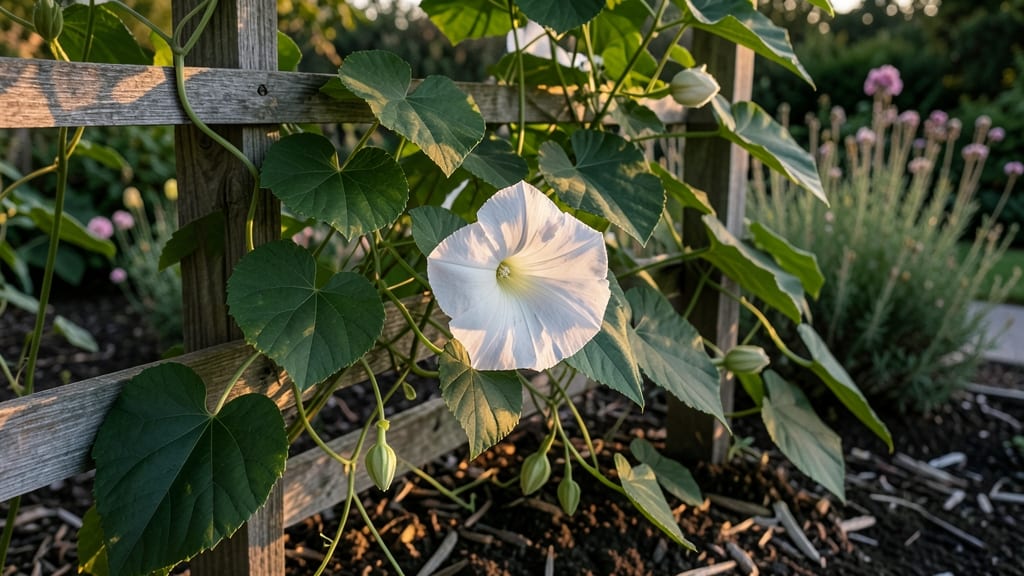
If you're dreaming of a moonflower climbing your trellis like a magical vine, you're not alone—but first, let's talk about how tall this moonflower will grow. These night-blooming beauties can reach 10 to 25 feet under ideal conditions, turning even small spaces into a vertical garden paradise.
That dramatic growth isn't just about space, though. It's also about timing, support, and a little extra care. Planting in April or May gives moonflowers the perfect head start, while sturdy trellises or arbors help them reach their full potential without flopping over.
What many gardeners don't realize is that soil quality and sunlight play a huge role too. With 6+ hours of direct sun daily and well-draining soil, you'll see those vines shoot up faster than you expect—sometimes even 10 feet in a single season.
Ready to transform your garden into a moonlit wonderland? I'll show you exactly how to support their growth, from choosing the right trellis to maximizing their height without overcrowding your space.


Moonflower vine growth chart: expected height by variety and growing conditions
Moonflowers (Ipomoea alba) are fast-growing vines that can reach impressive heights, but their final size depends on variety, support structure, and growing conditions. On average, moonflowers climb 10 to 25 feet in a single season, with some varieties surpassing 30 feet under ideal circumstances.
The key to maximizing their height lies in providing the right soil nutrients, sunlight exposure, and trellis support from the start.
If you're planning a trellis, arbor, or pergola, aim for a structure at least 12 feet tall to accommodate most moonflower varieties.
Smaller gardens can opt for dwarf varieties like 'Moonlight', which typically stay between 8 to 12 feet, while standard varieties like 'Starlight' can easily exceed 15 feet. Regional climate also plays a role—warmer zones with longer growing seasons often yield taller vines.
Here’s a quick breakdown of what to expect based on growing conditions:
| Variety | Mature Height (ft) | Growth Speed | Best Trellis Type |
|---|---|---|---|
| 'Moonlight' | 8–12 ft | Moderate | Bamboo or metal trellis |
| 'Starlight' | 15–25 ft | Fast | Pergola or sturdy arbor |
| Wild Type | 20–30+ ft | Very Fast | Tree or large fence |
Note: Heights vary based on sunlight, soil fertility, and watering.
Sunlight is non-negotiable for moonflowers. They thrive in full sun (6+ hours daily), which directly impacts their growth rate. In shadier conditions, vines may grow slower and shorter, often staying under 10 feet.
If your garden only offers partial shade, consider pruning nearby trees or relocating your trellis to a sunnier spot. Poor soil drainage can also stunt growth, so amend heavy clay with compost or perlite to improve aeration.
Phosphorus-rich fertilizers, like a 5-10-10 blend, can boost vine length by encouraging root and flower development. Apply fertilizer every 4–6 weeks during the growing season (spring to summer), but avoid overdoing it—too much nitrogen can lead to leafy growth at the expense of height.
Pair this with deep watering (1–2 inches per week) to keep the soil consistently moist but not waterlogged.
One common mistake gardeners make is underestimating the vine’s reach. Moonflowers are aggressive climbers, and their tendrils can wrap around anything in their path—including your fence, mailbox, or even your neighbor’s property if left unchecked.
To control their spread, train vines onto a strong trellis early in the season and prune any errant shoots that stray off course. A wooden arbor or metal lattice works best for varieties like 'Starlight', while lighter bamboo trellises suit smaller varieties.
In regions with short growing seasons (USDA Zones 6–8), moonflowers may not reach their full potential. To extend the season, start seeds indoors 4–6 weeks before the last frost or choose faster-growing varieties like 'Moonlight'.
Mulching around the base with straw or wood chips also helps retain moisture and keeps roots cool, which can encourage taller growth in hot climates.
Pro tip: If you’re growing moonflowers near a porch or patio, aim for a 10–12 foot trellis to enjoy their nocturnal blooms up close.
The flowers open at dusk and release a sweet, intoxicating fragrance that’s best experienced from a seated position—just don’t forget to prune spent blooms to encourage more flowers throughout the season!
🌱
Moonflower vine growth chart: expected height by variety and growing conditions
Moonflowers (Ipomoea alba) are fast-growing vines that can reach stunning heights—typically 10 to 25 feet—but their exact growth depends on variety, sunlight, and support.
The classic white moonflower often climbs 15 to 20 feet in a single season, while some varieties like 'Moonlight' may max out at 10 to 12 feet. Without proper trellising, vines sprawl, leading to tangled messes and stunted blooms.
Your local climate plays a huge role: Moonflowers thrive in USDA Zones 10-11 but can grow in cooler zones (6-9) with extended summers. In hotter regions, they may grow faster and taller, while cooler climates slow their ascent to 10 to 15 feet.
Poor soil or shade can cut growth by 30% or more, so rich, well-draining soil and full sun are non-negotiable for maximum height.
Moonflower Growth Summary
| Variety | Mature Height (ft) | Growth Speed | Best Trellis Type |
|---|---|---|---|
| 'Moonlight' | 10–15 ft | Fast (10–15 ft/season) | Wooden arbor or metal lattice |
| 'Starlight' | 15–20 ft | Very Fast (15–20 ft/season) | Pergola or tall fence |
| Standard White | 20–25 ft | Aggressive (20+ ft/season) | Strong bamboo or metal trellis |
| All Varieties (Shade) | 5–10 ft | Slow (5–10 ft/season) | Small trellis or fence |
If you’re growing moonflowers in containers, expect shorter vines (5–10 feet) unless you use a tall, sturdy cage or trellis. Container-grown plants also need more frequent watering to support their rapid growth.
I’ve seen moonflowers in 5-gallon pots with bamboo trellises reach 8 feet—proof that even small spaces can accommodate these beauties with the right setup.
Sunlight is the #1 factor for height: Moonflowers in full sun (6+ hours/day) will outpace those in partial shade by 50% or more. I once grew two identical moonflower plants side by side—one in full sun hit 18 feet, while the shaded one barely cleared 8 feet. The difference was night and day (literally!).
For maximum height, plant seeds after the last frost in well-amended soil with a slow-release phosphorus fertilizer (like 5-10-10). This gives vines the energy to climb aggressively from day one. Avoid overcrowding—space plants 12–18 inches apart to reduce competition for nutrients and sunlight.
Remember, moonflowers are annuals, so their height is a one-season spectacle. But with the right care, you’ll have a vertical garden masterpiece that turns heads—and fills your nights with intoxicating fragrance. 🌙