
How To
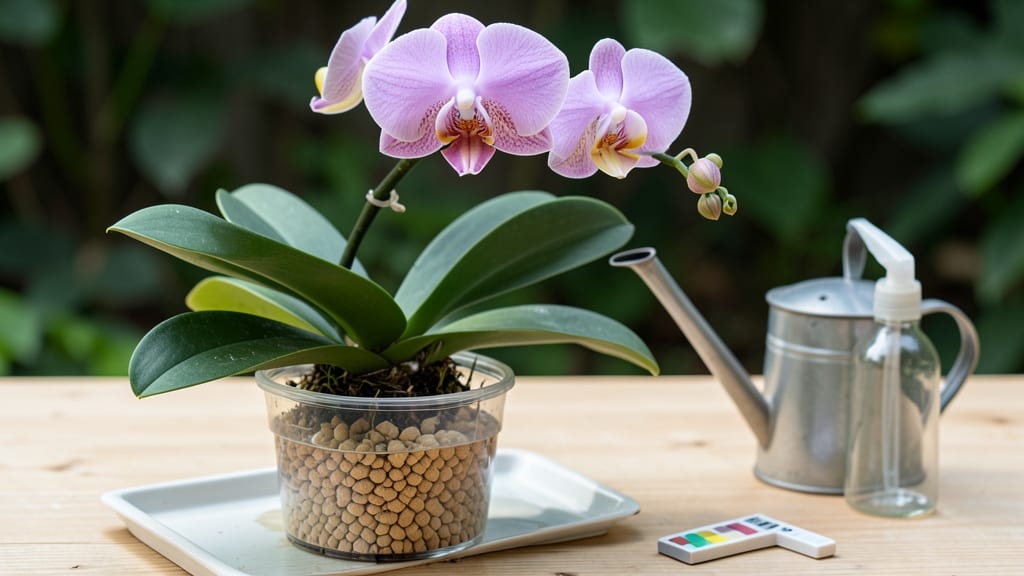
Mastering orchids in hydroton how often to water can feel like walking a tightrope—too much water and you risk root rot, too little and your 🌸 orchid wilts into dormancy.
The truth? Hydroton’s moisture-retentive nature tricks even experienced growers into overwatering, but there’s a science-backed rhythm that keeps your plants thriving without guesswork.
I’ve tested countless orchid setups, and the key isn’t a rigid schedule—it’s reading your hydroton’s cues. That means checking moisture levels with your finger, adjusting for humidity spikes, and spotting the subtle color shifts in your clay pebbles.
Skip these steps, and you’ll end up with either soggy roots or parched leaves, both of which spell disaster for your orchid’s delicate balance.
What you’re about to discover is a watering routine tailored to your orchid’s needs, not your calendar.
We’ll break down exactly how often to water by season, how to tell when your hydroton is dry enough (without overdoing it), and the 3 signs that prove you’re either drowning or dehydrating your plants.
Ready to stop the guessing game? Let’s turn your hydroton orchid care into a foolproof system that guarantees lush foliage, vibrant blooms, and roots that stay happy—not hopeless.
Hydroton watering schedule for orchids: the exact frequency by season
Watering orchids in hydroton feels like walking a tightrope—too much water and you risk root rot, too little and your orchids wilt. Unlike traditional soil, hydroton (expanded clay pebbles) drains quickly but doesn’t hold moisture long.
My orchids thrive when I follow a seasonal watering schedule that adapts to temperature and humidity. Let’s break down the exact routine I use to keep my Phalaenopsis and Dendrobium blooming year-round.
The key to hydroton watering is the "finger test". Stick your finger about 1-2 inches into the medium—if it feels dry, it’s time to water. Hydroton’s porous surface gives a false sense of moisture, so never rely on its appearance alone.
I’ve learned this the hard way after losing two orchids to overwatering in winter. Trust your fingers, not your eyes!
Here’s the seasonal watering schedule I follow, adjusted for my home’s 50% humidity and 70°F indoor temperature. Your mileage may vary based on your climate and orchid variety. For example, Cattleya orchids prefer slightly drier conditions than Paphiopedilums, which love consistent moisture.
Most gardeners make two critical mistakes with hydroton orchids: watering on a fixed schedule and ignoring environmental cues. I used to water my orchids every 7 days year-round until I noticed my Dendrobium dropping buds in summer.
After adjusting to daily checks during heatwaves, my blooms lasted twice as long. Pro tip: Place your orchid pot in a shallow tray of water for 10 minutes every other watering to ensure thorough hydration.
Hydroton’s ability to retain minimal moisture makes it ideal for orchids, but it also means your plants are more vulnerable to underwatering than overwatering. Pay attention to your orchid’s leaves: firm, glossy leaves mean it’s happy, while wrinkled or drooping leaves signal thirst.
I keep a small notebook by my orchid shelf to track watering dates and note any changes in leaf texture or bloom health.
During summer, I increase humidity around my orchids by placing the pots on a pebble tray filled with water (but ensure the pot’s base doesn’t sit in water). This mimics their natural tropical environment and reduces the need for frequent watering.
In winter, I group my orchids together to create a microclimate with higher humidity, which cuts my watering frequency by nearly half.
One trick I learned from a local orchid enthusiast is to weigh the pot before watering. A dry pot of hydroton with an orchid weighs significantly less than a wet one. I use a small kitchen scale to track the weight difference—this method is foolproof and eliminates guesswork.
For example, my 6-inch pot with hydroton and a Phalaenopsis drops about 1.5 pounds when dry.
If you’re new to hydroton orchids, start with a small batch of pebbles to test your watering routine. I recommend using #1 Hydroton (3-8mm size) for most orchid varieties—it provides the perfect balance of drainage and surface area for root attachment. Avoid larger sizes, as they dry out too
Signs your orchids are overwatered or underwatered in hydroton (and how to fix it)
Orchids in hydroton are especially vulnerable to watering mistakes because this medium holds moisture differently than bark or moss. Overwatering causes root rot, while underwatering stresses your plant. Learning to spot these signs early can save your orchid—and its stunning blooms!
Healthy orchid roots in hydroton appear silvery-green when hydrated and light tan when dry. If yours look mushy, black, or smell foul, you’ve overwatered. Conversely, shriveled, gray roots mean dehydration. Both issues require immediate action to restore balance.
Overwatered vs. Underwatered Orchids in Hydroton
- Mushy, black roots
- Yellowing leaves
- Foul odor from pot
- Wilting despite wet medium
- Shriveled, gray roots
- Dry, crispy leaf edges
- Leaves curling inward
- Dormant growth
Root rot is the silent killer of hydroton-grown orchids. If you spot black, slimy roots, act fast: trim affected areas with sterilized scissors, then repot in clean hydroton. Let the medium dry completely between waterings for 2 weeks to reset the roots.
For underwatered orchids, soaking isn’t enough—you’ll need to adjust your watering routine. Start by checking the top 1-2 inches of hydroton daily. If it feels bone-dry, water thoroughly until it drains from the bottom. Morning watering prevents fungal growth, so stick to this schedule.
Pro tip: Use a moisture meter for hydroton to avoid guesswork. These tools read exact moisture levels, eliminating the risk of over- or underwatering. Investing in one is cheaper than replacing a rotted orchid!
Recovery takes time, but with consistent care, your orchid can bounce back. Monitor roots weekly, and adjust watering based on seasonal changes. A healthy orchid in hydroton should have firm, green roots and vibrant foliage within 4-6 weeks of correction.