
Companion Plants
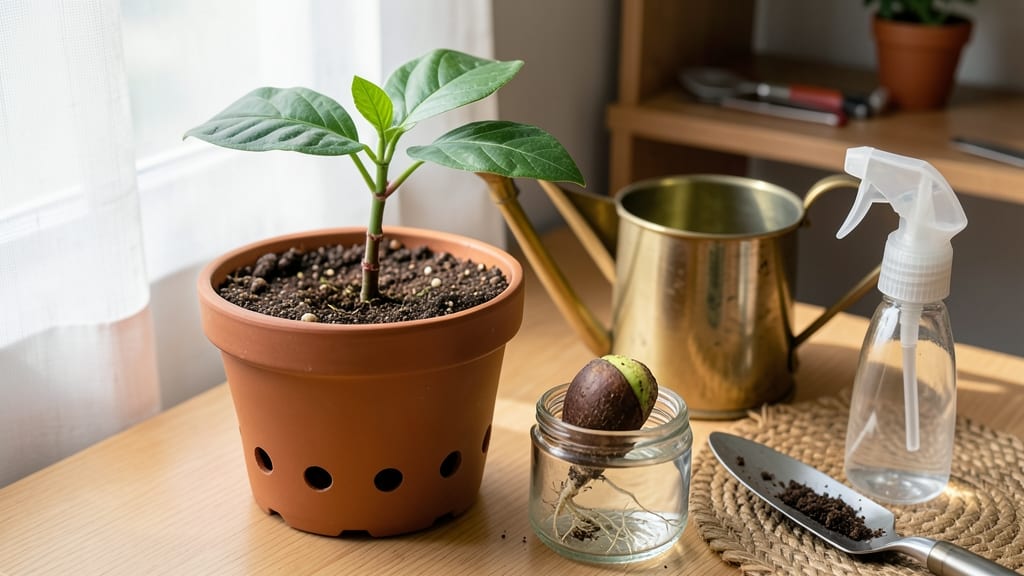
Optimal germination timeline: when to move avocado seeds from water to soil
Your avocado seed’s journey from water to soil is a delicate transition, and timing it right is critical for survival. Most seeds take 4–12 weeks to develop the roots, stem, and leaves needed to thrive in soil.
Waiting too long risks root rot, while transplanting too early can stunt growth. Here’s how to spot the 3 key germination triggers that signal it’s time to plant.
First, watch for a 2–3 inch root (about the length of a pencil). This indicates your seed has established a strong anchor. Next, look for a 1–2 inch stem emerging from the seed—this shows it’s ready to support itself.
Finally, when 2–3 glossy leaves appear, your seedling is primed for soil. These signs together mean your seedling can handle the stress of transplanting.
If your seedling has only roots but no stem or leaves, it’s not ready. Keep it in water and add fresh water every 3–5 days to prevent mold.
Patience here is key—rushing the process can kill your seedling before it even starts. Remember, avocado seeds are slow growers, so don’t rush the timeline.
Step-by-Step: When to Transplant Your Avocado Seedling
- Step 1: Root Check – Wait until roots reach 2–3 inches in length. Measure from the seed’s base downward.
- Step 2: Stem Growth – Look for a 1–2 inch stem with a slight thickening at the base.
- Step 3: Leaf Development – Aim for 2–3 glossy, dark green leaves (avoid yellow or wilted leaves).
- Step 4: Soil Prep – Use a well-draining potting mix (50% potting soil, 50% perlite or sand).
- Step 5: Transplant Care – Water lightly after planting and place in bright, indirect light for 1 week.
Pro Tip: Handle seedlings by their leaves, not the stem, to avoid damage.
Once your seedling meets these criteria, it’s time to plant. Choose a 4–6 inch pot with drainage holes to prevent waterlogging. Fill the bottom 1/3 with small pebbles or perlite for drainage, then add your potting mix.
Gently place the seedling in the center, ensuring the roots aren’t bent and the stem sits just below the soil surface.
After transplanting, keep the soil moist but not soggy for the first 2 weeks. Use a spray bottle to mist the leaves daily, as avocado seedlings are sensitive to dry air.
Place the pot in a location with bright, indirect sunlight—direct sun can scorch young leaves. Gradually introduce more sunlight over 1–2 weeks to harden the seedling.
If your seedling develops yellow leaves after transplanting, it’s often a sign of overwatering or poor drainage. Let the top inch of soil dry out between waterings, and ensure your pot has adequate drainage.
Yellow leaves can also indicate nutrient deficiency, so consider using a balanced fertilizer (like 6-6-6) after 4–6 weeks.
In warmer climates (USDA zones 9–11), you can transplant outdoors anytime after the last frost, typically in early spring. In cooler zones (6–8), wait until late spring or early summer when soil temperatures exceed 60°F (15°C).
Outdoor planting too early risks cold damage or fungal infections.
Remember, avocado seedlings are fragile during this phase. Avoid moving the pot frequently, and resist the urge to fertilize immediately after transplanting. Give your seedling time to adjust—patience is the key to long-term success.
With the right timing and care, your avocado seedling will grow into a healthy young tree ready for future transplanting or container growth. 🌱
Indoor vs. outdoor planting: best conditions for soil transplant by climate zone
Timing your avocado seed transplant depends heavily on whether you’re starting indoors or moving to outdoor soil. Indoor seedlings can begin soil life as early as late winter, while outdoor planting waits for warm soil temperatures and no frost risk.
Your USDA zone determines the exact window—here’s how to align your seed’s readiness with seasonal shifts.
For indoor starters, transplant into soil when roots reach 2–3 inches long and a small stem emerges. This usually happens 4–8 weeks after starting in water. Use a well-draining potting mix to prevent rot, and place near a south-facing window for 6+ hours of sunlight daily.
Outdoor planting, however, must wait until after your last frost date and when soil temps stay above 60°F (15°C). In USDA zones 6–9, this is typically late April to early June.
Zones 10–11 can plant as early as February, but avoid hot summer months to reduce transplant shock.
🌱 Soil Transplant Conditions by Zone
| Zone | Indoor Transplant Window | Outdoor Transplant Window | Soil Temp Requirement |
|---|---|---|---|
| 6–7 | Late Feb–March | Mid-May–June | 60°F+ (15°C+) |
| 8–9 | March–April | April–May | 60°F+ (15°C+) |
| 10–11 | January–February | February–March | 65°F+ (18°C+) |
⚠️ Pro Tip: Harden off seedlings by placing them outdoors for 2–3 hours daily 1 week before transplanting to reduce shock.
If you’re in a cooler zone (6–7), prioritize indoor growth until soil warms. Use a grow light if natural light is insufficient. For warmer zones (10–11), you can transplant outdoors as early as February, but avoid peak summer heat, which stresses young roots.
Regardless of zone, avoid transplanting during extreme weather. A gentle, overcast day is ideal—it reduces transplant shock and gives your seed time to adjust. Water thoroughly after planting and keep soil moist but not soggy for the first 2 weeks.
Remember, avocado seeds are sensitive to temperature swings. If nights dip below 50°F (10°C), delay outdoor planting until conditions stabilize. Patience here ensures your seedling establishes strong roots before facing outdoor challenges.