
Companion Plants
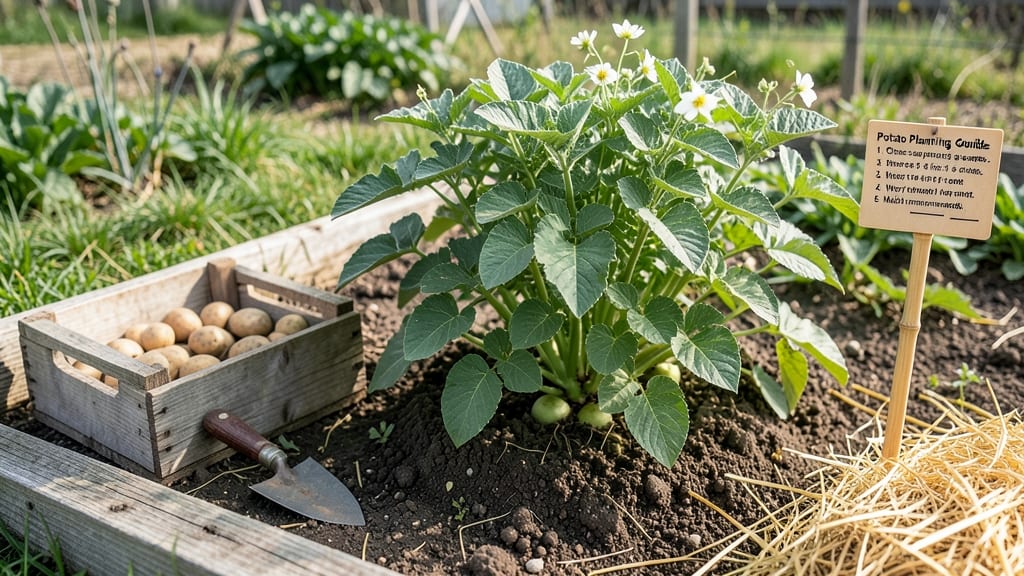
Timing when can I plant potatoes in Georgia wrong could mean the difference between a bountiful harvest and wasted effort. Georgia’s 7b-8b zones bring unique challenges—humidity, heat spikes, and unpredictable frost dates that demand precision if you want those 🥔 tubers to thrive.
Plant too early, and a late frost will turn your seedlings into sad, mushy memories. Wait too long, and the summer heat will stress your plants before they even get a chance to set tubers. The key? Knowing your county’s frost-free window and adjusting for early, mid-season, or late varieties.
I’ll break down the exact planting windows for Georgia’s diverse regions—from the Piedmont’s cooler springs to the Coastal Plain’s longer growing season—so you can align your schedule with soil temperatures and local climate quirks.
Plus, I’ll share pro tips from the University of Georgia Extension on soil prep, spacing, and variety selection to ensure your potatoes grow big, resist disease, and stay ahead of Georgia’s infamous summer heat. Let’s get those spuds in the ground at the perfect time!
Georgia potato planting timeline by county: frost-free dates and ideal windows
Georgia’s diverse climate—from the Coastal Plain’s humidity to the Mountains’ cooler nights—means potato planting windows vary dramatically by region. The key is aligning your last frost date with soil temperatures of 45°F or higher, which typically occurs between mid-February and early April, depending on your county.
For Northern Georgia (e.g., Dahlonega, Blue Ridge), where frost lingers until mid-April, aim to plant early varieties like Red LaSoda in February for a spring harvest. In contrast, Southern Georgia (e.g., Valdosta, Savannah) can start as early as January for frost-free growing.
Below is a county-specific breakdown of ideal planting windows, tailored to Georgia’s USDA Zones 7b-8b. Use this as your guide to avoid frost damage or heat stress in your potatoes.
| Region | Last Frost Date | Ideal Planting Window | Early Varieties | Late Varieties |
|---|---|---|---|---|
| Northern GA (e.g., Dahlonega, Blue Ridge) | Mid-April | February–March | Red LaSoda, Kennebec | Russet, Yukon Gold |
| Piedmont (e.g., Athens, Macon) | Early April | Late February–March | Early Girl, Irish Cobbler | Sweet Potato, Purple Viking |
| Coastal Plain (e.g., Savannah, Valdosta) | Late February | January–February | Red Pontiac, Desiree | Katahdin, Fingerling |
For accurate local frost dates, check the University of Georgia Extension’s frost maps or your county’s agricultural extension office. In Zone 8b (e.g., Savannah), you can even plant successive crops every 2-3 weeks from January through March for a staggered harvest.
If you’re in Zone 7b (e.g., Atlanta), prioritize early-maturing varieties like Yukon Gold (90 days) to avoid summer heat stress, which can cause blossom end rot or tuber malformation.
Pro tip: Use black plastic mulch in cooler regions to warm soil faster and extend your planting window by 2-3 weeks. This is especially useful in Northern Georgia, where soil may not reach 50°F until late March.
For container gardening, start 4-6 weeks earlier than your county’s last frost date, as pots warm up faster in spring sunshine. Just ensure your containers have drainage holes to prevent waterlogged tubers.
Remember: Soil temperature, not air temperature, dictates planting success. Use a soil thermometer to confirm 45°F+ before planting. If your soil is too cold, wait—sprouts will rot in chilly conditions.
Finally, succession planting is your secret weapon. In Southern Georgia, plant early varieties in January and late varieties in April for a continuous harvest from May through September.
How to adjust planting time for early vs. late potato varieties in Georgia’s climate
Georgia’s diverse climate zones—from the Coastal Plain to the Appalachian Mountains—mean you can grow three potato crops in one season if you time it right. The key is matching your variety type to your last frost date and soil temperature trends.
Early varieties like Red LaSoda thrive when planted 4-6 weeks before frost, while late varieties like Russet Burbank need warmer soil and can handle summer heat better.
Start by checking your USDA Zone (Georgia spans 7b-8b). In Zone 7b (North Georgia), aim for early planting in February-March for first harvests. In Zone 8b (South Georgia), you can stretch planting into April for a fall crop.
Always wait until soil temperatures hit 45°F (7°C)—use a soil thermometer to confirm.
🌱
Plant Red LaSoda or Yukon Gold in February-March for a spring harvest. Ideal for North Georgia where frost lingers until mid-April. These varieties handle cooler soils and light frosts better.
Choose Kennebec or Katahdin for March-April planting. Perfect for Central Georgia where soil warms faster. Harvest in June-July before summer heat stresses the plants.
Save Russet Burbank or Sweet Potato (yes, some are late-season!) for April-May. These thrive in South Georgia’s heat and store well for winter markets. Mulch heavily to retain moisture.
Plant early, mid, and late varieties 2-3 weeks apart for continuous harvests. Example: Start with Red LaSoda in February, add Kennebec in March, and finish with Russet in April. This extends your harvest from May to September!
For North Georgia growers, prioritize early varieties to avoid late spring frosts. In South Georgia, focus on heat-tolerant late varieties like Sweet Potatoes or Russets to beat the summer humidity.
Always rotate planting spots yearly to prevent disease buildup—potatoes are heavy feeders and deplete soil nutrients quickly.
Monitor rainfall patterns too. Georgia’s spring rains can lead to waterlogged soil, which causes rot. If your forecast predicts heavy rains, opt for raised beds or container growing to improve drainage. In dry years, use drip irrigation to keep soil consistently moist without overwatering.
💧