
Companion Plants
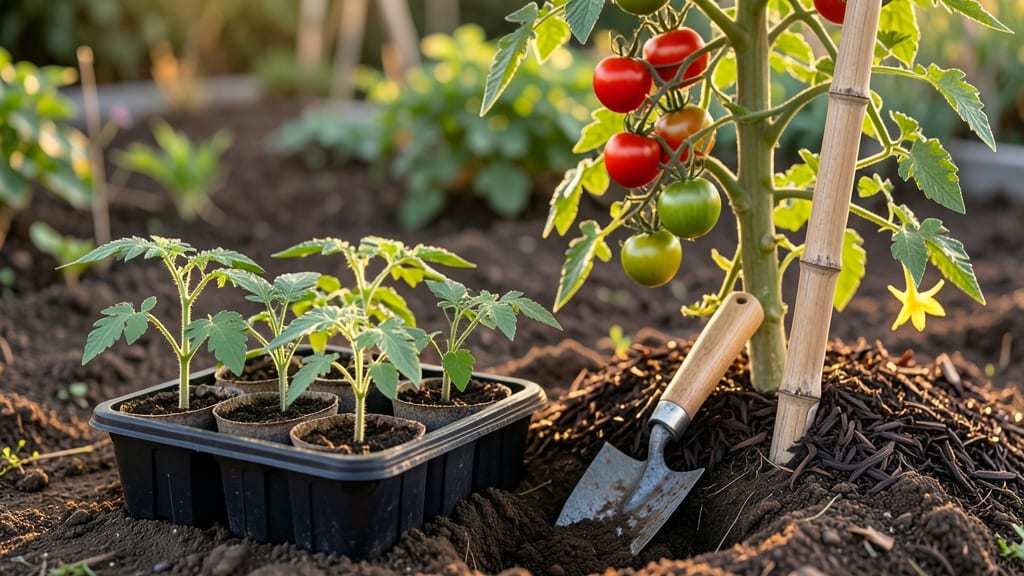
If you're dreaming of a bountiful 🍅 harvest this summer, knowing when to plant tomatoes in Ohio is the game-changer you need—because timing can make or break your garden's success.
Ohio's spring weather is famously unpredictable, with frost lingering in some areas while others warm up faster, leaving many gardeners guessing whether to rush or wait.
The key to avoiding frost-nipped seedlings or lost harvests lies in understanding your microclimate zone and soil temperature. While the general rule of thumb points to April 15–May 15 after the last frost, Ohio's diverse regions—from the cooler northern areas to the warmer southern zones—can shift that window by weeks.
I'll break down exactly how to pinpoint your ideal planting date, whether you're starting seeds indoors or transplanting seedlings.
Beyond the calendar, I'll share pro tips to extend your growing season, from using row covers to selecting heat-tolerant varieties that thrive in Ohio's 6a zone. Whether you're a first-time gardener or a seasoned green thumb, these insights will help you maximize your tomato yield from July through October.
Ready to turn your backyard into a productive tomato haven? Let's dive into the science and strategies that will have you harvesting juicy, vine-ripened tomatoes all season long—without the guesswork.
Ohio’s frost-free dates by USDA hardiness Zone (2024 planting guide)
Ohio spans USDA Hardiness Zones 4-7, meaning frost dates vary dramatically from northern to southern regions. For tomatoes, which are frost-sensitive, planting too early can mean lost seedlings, while waiting too late reduces your harvest window.
The average last frost date across Ohio ranges from mid-April in southern zones to mid-May in the north, but microclimates—like urban heat islands or sheltered valleys—can shift these dates by 1-2 weeks.
Always verify your local frost data using the Ohio State University Extension’s frost calendar or the National Weather Service’s 30-year averages for your county.
Tomatoes thrive when soil temperatures hit 60°F or higher, a threshold often reached 2-4 weeks after the last frost. In Zone 4 (northwest Ohio), this might mean waiting until May 10, while Zone 7 (southern Ohio) gardeners can plant as early as April 15.
Cold soil slows germination and weakens seedlings, so rushing into the garden without checking soil temps is a common mistake. Use a soil thermometer (available for under $15) to confirm readiness—tomatoes won’t grow well in cooler soils, even if air temps feel warm.
Here’s how Ohio’s USDA zones break down for tomato planting, including last frost dates, ideal transplant windows, and soil temperature goals to help you plan with confidence.
If you’re unsure about your zone, plug your zip code into the USDA Plant Hardiness Zone Map or ask your local Cooperative Extension office—they often host free gardening workshops in spring.
For example, Columbus (Zone 6a) has an average last frost of April 15, but urban areas like downtown may warm up 3–5 days earlier due to concrete absorbing heat. Conversely, rural areas in Zone 4 might see frost linger until May 1.
These microclimates can shift your planting window by up to 2 weeks, so don’t rely solely on the zone average.
Another critical factor is tomato variety. Determinate varieties (like ‘Roma’ or ‘Celebrity’) produce fruit in a compact window and can handle cooler temps better, while indeterminate varieties (like ‘Sungold’ or ‘Beefsteak’) need consistent warmth to thrive.
In northern Ohio (Zones 4–5), opt for early-maturing varieties (60–70 days to harvest) to maximize your season. Southern Ohio gardeners can afford to plant larger-fruited, heat-tolerant varieties like ‘Brandywine’ or ‘Cherokee Purple’ as late as May 1 without sacrificing yield.
For container growers, timing is even more critical because pots heat up and cool down faster than in-ground soil.
Start potted tomatoes 4–6 weeks earlier than your zone’s last frost date, and move containers to a protected spot (like a garage or cold frame) if nighttime temps dip below 50°F. Containers also dry out faster, so monitor soil moisture daily during heatwaves—underwatered potted tomatoes drop fruit prematurely.
Finally, don’t forget succession planting. Ohio’s short growing season means you can squeeze in 2–3 tomato plantings if you stagger your schedule.
For example, in Zone 6, plant: - First batch: April 25 (early varieties) - Second batch: May 15 (main-season varieties) - Third batch: June 1 (heat-tolerant varieties for late harvests) This strategy ensures a continuous harvest from July through October, even if early plants succumb to summer pests or disease.
🌱
How to extend your Ohio tomato growing season with smart techniques
Ohio’s short growing season can feel like a race against time for tomato lovers. But with the right strategies, you can push your planting window earlier and your harvest later, adding weeks—or even months—to your tomato production.
The key lies in microclimate protection, heat management, and succession planting. These techniques let you grow tomatoes in USDA zones 4-7 with confidence, even when the calendar says "too early" or "too late."
The best part? Many of these methods use inexpensive, low-tech solutions like row covers and cold frames. Let’s break down the top 5 proven techniques to maximize your Ohio tomato harvest, so you’re still picking ripe fruit well into September or October—or even later with a little extra effort.
🌱 5 Smart Ways to Extend Your Ohio Tomato Growing Season
- 🌡️ Use row covers or frost blankets to plant 2-3 weeks earlier in spring. These lightweight fabrics trap heat and protect seedlings from light frosts (down to 28°F). Remove them when flowers appear to prevent overheating.
- ☀️ Invest in a cold frame or mini greenhouse for a 3-4 week head start. Cold frames can warm soil by 10-15°F, letting you plant early varieties like 'Stupice' or 'Siberian' as soon as soil reaches 50°F (instead of waiting for 60°F).
- 🌿 Choose heat-tolerant varieties like 'Heatmaster' or 'Solar Fire'. These determinate tomatoes thrive in Ohio’s 85-95°F heat waves, producing fruit even when other plants bolt or struggle.
- 📅 Practice succession planting every 2 weeks from mid-May to early July. This ensures a continuous harvest until frost, even if your first planting fails due to late blights or heat stress.
- 🌳 Plant near windbreaks or use black plastic mulch to warm soil faster. A simple wooden fence or dark mulch can raise soil temps by 5-10°F, accelerating germination and growth.
Even with these extensions, Ohio’s first frost (typically October 15) will eventually end the season. But if you combine row covers with late-season varieties, you can keep harvesting into November in sheltered microclimates.
For example, 'Celebrity' tomatoes grown under floating row covers in a south-facing bed might yield fruit until mid-October—a full month longer than unprotected plants.
Pro tip: Monitor local frost forecasts from the Ohio State University Extension or National Weather Service. Their 7-day outlooks help you decide when to remove protective covers or harvest remaining fruit before cold snaps hit.
Pair this with soil thermometers (available for $10-$15) to track when temps drop below 50°F—a sign it’s time to rush your last harvest.
Tomatoes are Ohio’s #1 home garden crop, but their success hinges on timing and protection. By mastering these season-extending techniques, you’ll turn Ohio’s unpredictable climate into an advantage. Start small with row covers this year, then graduate to cold frames or greenhouses for even longer harvests.
Your future self—and your taste buds—will thank you for the homegrown tomatoes stretching from June to November 🍅🌿.