
Flowers
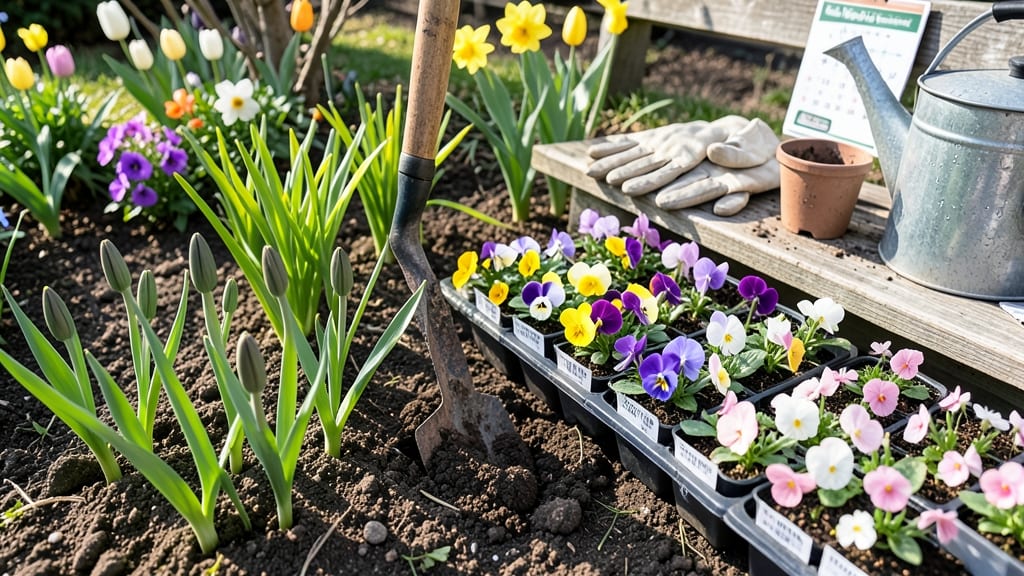
Timing your spring flower planting wrong can mean wilted dreams before the blooms even appear—but knowing your local microclimate and heat zone turns guesswork into a thriving garden. In Zone 6a, where frost lingers until mid-April, waiting for those last icy nights to pass is the key to success.
The right moment isn't just about dates; it's about soil temperature, flower types, and even your garden's unique conditions.
Let me show you exactly how to read your region's signals—from crocus blooms to soil warmth tests—to determine when your 🌸 flowers are ready for action.
Whether you're planting hardy pansies or frost-sensitive petunias, this guide breaks down the science behind perfect timing so you can avoid common mistakes and enjoy vibrant blooms all season.
You'll discover how microclimates (like urban heat islands or frost pockets) can shift your planting window by weeks, and which flowers thrive when planted early versus late spring. No more second-guessing—just confident gardening that brings your vision to life.
Ready to transform your garden? Let's dive into the exact strategies that will help you plant with precision, no matter where you live in Zone 6a or beyond.
Spring planting timeline by USDA heat zones: exact last-frost date guide
Spring flower planting isn’t a one-size-fits-all task—your USDA heat zone and last frost date determine whether your petunias thrive or your pansies perish. In Zone 3, you might plant hardy flowers like snapdragons by late May, while Zone 10 gardeners can start marigolds as early as February.
The key? Knowing your zone’s average last frost date and adjusting for microclimate quirks.
Most frost-sensitive flowers—like impatiens and geraniums—can’t tolerate even light frost, so waiting until two weeks after your local last frost date is safest. For cool-season flowers such as pansies or calendula, you can plant them 4-6 weeks before your last frost, as they actually prefer cooler temperatures.
Let’s break down the exact planting windows for each zone to avoid those wilted dreams before blooms appear.
🌱 Pro Tip: Use a soil thermometer to confirm soil temps are above 50°F before planting frost-sensitive flowers. Cold soil can stunt growth, even if air temps are warm.
If you’re in Zone 6a (like me in Denver, CO), aim to plant frost-sensitive flowers by May 1, but don’t rush—soil temps below 55°F can shock roots. For cool-season flowers, start as early as March 15 to beat heat stress.
Always check your local cooperative extension service for year-specific frost dates, as climate shifts can delay or advance them.
💡 Quick Fix: Use row covers or cold frames to extend your planting window by 2-4 weeks in cooler zones. This lets you plant marigolds or zinnias earlier without frost risk.
For container gardens, timing shifts slightly—pots warm up faster, so you can plant 1-2 weeks earlier than in-ground. Just ensure containers have drainage holes to prevent root rot from overwatering in warmer soil. My balcony geraniums always bloom earlier because their pots absorb heat faster than the garden bed.
🌿 Mistake Alert: Planting tender annuals too early leads to leggy, weak stems from stretching toward light. If your petunias look like spaghetti plants, you waited too long—start them indoors 6-8 weeks before your last frost for a head start.
🌸 Regional Hack: In Zone 4, I’ve had success
How to adjust planting for microclimates: urban heat islands, frost pockets & coastal zones
Your USDA zone gives you a starting point, but microclimates can shift planting windows by weeks—sometimes even months. In my urban garden, the pavement absorbs heat, creating a 5°F warmer zone than my backyard.
Meanwhile, the north-facing side of my house stays 10°F cooler for longer. These variations mean the last frost date isn’t universal, even in your neighborhood.
Coastal areas often experience delayed frosts due to ocean currents, while mountainous regions can have earlier frost risks at higher elevations. Even a single street can separate a frost pocket (where cold air settles) from a warmer microclimate just 50 feet away.
Ignoring these differences can lead to frost-damaged seedlings or stunted growth.
🌱
🔍 Microclimate Adjustments for Spring Planting
- 🏙️ Urban Heat Islands: Plant heat-loving flowers (e.g., marigolds, zinnias) 2-3 weeks earlier than zone guidelines. Use shade cloth for frost-sensitive varieties like impatiens.
- 🏔️ Frost Pockets: Wait until 2 weeks after your local last frost date. Use row covers or cold frames to extend the season for pansies, snapdragons.
- 🌊 Coastal Zones: Monitor ocean breezes—they can delay frosts. Plant drought-tolerant flowers (e.g., lavender, salvia) early to avoid summer water restrictions.
- 🌳 Windy Areas: Shield seedlings with windbreaks or plant tall grasses as natural barriers. Avoid delicate stems like cosmos in exposed spots.
Soil temperature matters just as much as air temperature. I always check my soil thermometer before planting—50°F soil might feel warm, but it’s too cold for warm-season flowers like petunias or geraniums.
These need 60°F+ soil to thrive. In Zone 5, I wait until late May for these, even if the air feels spring-like.
For coastal gardens, pay attention to fog patterns. Coastal areas often have morning fog that can mimic frost conditions. I plant cold-hardy annuals like calendula earlier but delay tropical-looking flowers (e.g., begonias) until after Memorial Day.
In mountainous regions, elevation changes everything. A 500-foot climb can drop temperatures by 3-5°F. I’ve seen frost damage on low-lying gardens while higher elevations were already planting summer blooms. Use elevation-adjusted planting charts or ask local nurseries for microclimate-specific advice.
Finally, observe your garden’s history. Note where frost lingers or where heat builds up over the years. Adjust your planting schedule based on past patterns rather than relying solely on almanac dates. With these tweaks, you’ll avoid the heartbreak of wilted seedlings and enjoy longer bloom seasons.
☀️