
Plants
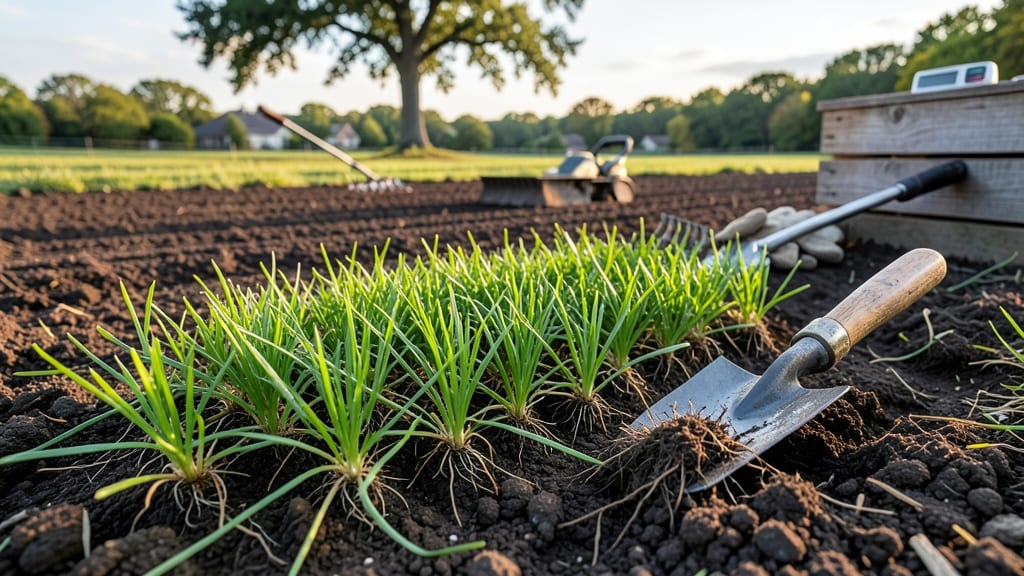
Best planting months for Bermuda grass in Kansas based on soil temperature
Planting Bermuda grass in Kansas isn’t just about picking a month—it’s about waiting for the soil temperature to hit that sweet spot of 65°F or higher. This warm-season grass thrives when the ground is cozy, not cold, and Kansas’ variable climate makes timing critical.
In most regions, this means April to early May for spring planting, but don’t rush—waiting a few extra weeks can mean the difference between a vibrant lawn and a struggling one.
For those who prefer fall planting, aim for late August to early September when soil temps are still warm but cooling. This gives Bermuda grass enough time to establish roots before winter sets in.
Kansas’ USDA zones 5b-7a add another layer—western Kansas (like Garden City) can plant slightly earlier, while eastern areas (like Kansas City) may need to wait until May to avoid late frosts.
Here’s my pro tip: Use a soil thermometer to check depth (about 4 inches down). If it’s below 65°F, hold off—Bermuda grass roots won’t activate until the soil warms up.
I’ve seen too many gardeners plant too early and end up with weak, patchy growth because the grass just wasn’t ready to take off.
Another key factor is daytime temperatures. Bermuda grass loves heat, so planting when days are consistently above 75°F gives it the boost it needs. In Kansas, this usually aligns with late April to May, but always double-check with your local Kansas State University Extension office for hyper-local advice.
They track frost dates and soil conditions year-round.
Let’s talk about microclimates. If you’re in a sheltered spot (like near a south-facing fence or building), the soil may warm up faster. Conversely, low-lying areas or shaded spots can stay cooler longer.
I once planted Bermuda grass in a low spot in my yard in mid-April, and by June, it was struggling while the rest of my lawn thrived. Lesson learned: Observe your yard’s unique conditions!
Now, let’s address a common mistake: planting too late in spring. If you wait until June or July, your Bermuda grass may not have enough time to establish before summer’s intense heat and drought stress it.
The goal is to give it a 6-8 week head start before the real heat hits. Think of it like giving your lawn a jumpstart on the growing season.
🌱 Bermuda Grass Planting Timeline for Kansas
| Season | Ideal Months | Soil Temp Requirement | Key Considerations |
|---|---|---|---|
| Spring | April–Early May | 65°F+ (4" depth) | Avoid late frosts; water deeply 2x/week |
| Fall | Late August–Early September | 60°F+ (4" depth) | Extend season with row covers; stop planting by mid-Sept |
| Avoid | June–July | N/A | Too late; high heat stress |
One tool I swear by is a lawn thermometer—it’s not just for soil. Check air temperatures too, especially in western Kansas, where heat can arrive earlier. If daytime highs are consistently above 90°F, Bermuda grass can go dormant, so planting in late spring gives it a buffer.
I’ve also found that morning planting (early April) reduces stress from afternoon heat.
Don’t overlook seed vs. sod timing. Sod can be laid slightly later than seed because it’s already established, but even then, aim for soil temps above 65°F. Seeds need that warm soil to germinate, so if you’re starting from scratch, be patient.
I’ve seen seeds planted in cool April soil take 3-4 weeks to sprout, while warm May soil can have them popping up in 7-10 days.
Finally, consider local weather patterns. Kansas isn’t one-size-fits-all—Wichita’s climate differs from Topeka’s, which differs from the Flint Hills. Check the National Weather Service or your county extension office for 5-year averages of frost dates and soil warming trends.
For example, eastern Kansas might see its last frost in mid-April, while western Kansas could be frost-free by early April. Adjust your timeline accordingly!
Timing your Bermuda grass planting right isn’t just about the calendar—it’s about reading your soil, understanding your microclimate, and giving your lawn the best possible start. When done right, you’ll have a drought-resistant, heat-loving lawn that’s the envy of the neighborhood.
And trust me, the effort is worth it when you’re sipping lemonade on your lush green lawn in July while your neighbors are watering struggling cool-season grasses.
Best planting months for Bermuda grass in Kansas based on soil temperature
Bermuda grass thrives in Kansas’ intense heat, but planting it at the wrong time can leave your lawn struggling to establish. The key to success lies in soil temperature—this warm-season grass only sprouts when the ground reaches 65°F or higher.
In most of Kansas, that means waiting until late April to early May for spring planting.
Fall is another viable option, but you’ll need to plant 6-8 weeks before the first frost—typically between mid-August and early September. This timing ensures the grass has time to root deeply before winter dormancy.
Always check your USDA zone (5b-7a) for precise deadlines, as western Kansas warms faster than the eastern regions.
🌱 Bermuda Grass Planting Timeline for Kansas
| Season | Ideal Months | Soil Temp Requirement | Kansas-Specific Notes |
|---|---|---|---|
| Spring | April–May | 65°F+ | Wait for last frost (avg. April 15 in Zone 5b). |
| Fall | August–September | 65°F+ | Plant 6-8 weeks before first frost (avg. Oct 15). |
To verify soil readiness, use a soil thermometer—dig it 2-3 inches deep and wait for consistent readings above 65°F for at least 3 days.
Morning is the best time to check, as afternoon temps can be misleading. Western Kansas often hits these temps 1-2 weeks earlier than the eastern half, so adjust accordingly.
If you’re planting in southern Kansas (Zone 7a), you might even squeeze in a late-May planting, but be prepared for summer heat stress. Always water deeply after planting to encourage root growth, and avoid walking on the new sod until it’s fully established (typically 2-3 weeks).
Pro tip: Test your soil pH before planting—Bermuda grass prefers a slightly acidic to neutral range of 6.0-7.0. Kansas soils often lean alkaline, so amend with sulfur or peat moss if needed. This small step can double your grass’s growth rate in the first season.
Timing isn’t just about months—it’s about microclimates. South-facing slopes warm faster than shaded areas, so adjust your planting window by 1-2 weeks if your yard has uneven sun exposure. Use a shade cloth in early summer to protect young seedlings from intense afternoon sun.