
Plants
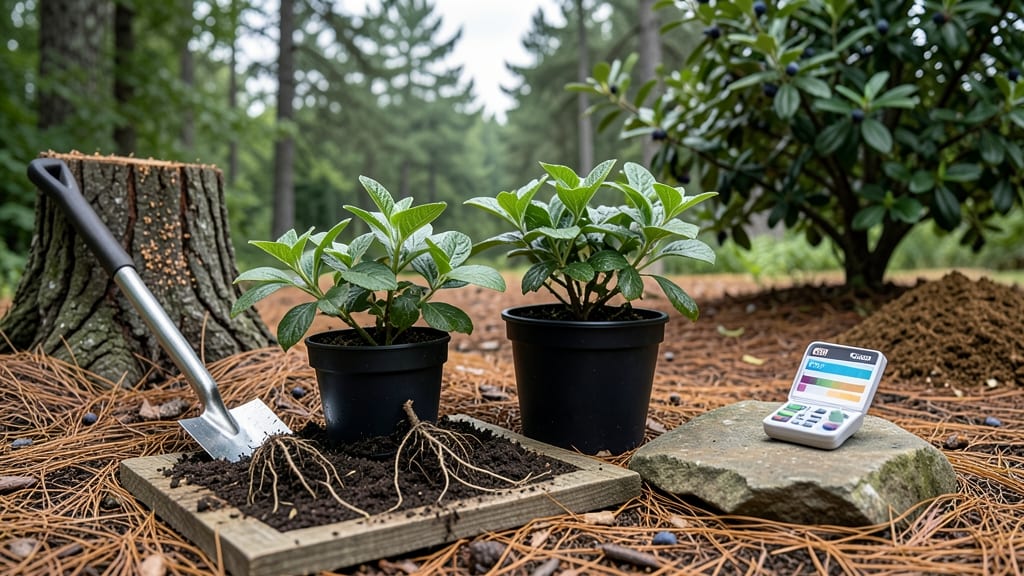
Timing your blueberry planting in Washington State could mean the difference between a thriving bush and one that struggles to survive. With Washington’s varied climate—from the Puget Sound’s mild winters to the Eastern region’s dry heat—getting the window right is everything.
Most gardeners in zones 5-8 know spring is the prime time to plant 🫐 blueberries, but the exact moment depends on where you live. Plant too early, and frost can damage delicate roots; too late, and your bushes won’t establish before summer heat sets in.
I’ll break down the best February-April windows for each region so you can avoid costly mistakes.
Beyond timing, Washington’s soil and microclimates add another layer of complexity. Whether you’re in Seattle’s coastal zone or the high-desert areas near Spokane, preparing the right acidic soil and choosing the right variety makes all the difference.
Let’s dive into the exact steps to set your blueberries up for success—no guesswork involved.
Ready to grow juicy, homegrown 🫐 blueberries? I’ll walk you through everything from soil prep to transplanting, so you can enjoy your first harvest in just a few years. No more wondering if you’re planting at the right time—just actionable advice tailored to Washington’s unique growing conditions.
Washington State blueberry planting zones: exact dates by frost-free region
Washington State’s microclimates create dramatic differences in blueberry planting windows. The Puget Sound (Zone 7-9) has milder winters, while Eastern WA (Zone 4-6) faces harsher frost risks. Timing your plantings to avoid late frosts (which can kill tender roots) is critical for success.
For Western WA, aim to plant between late February and early April—after the last average frost date (typically March 15 in Seattle). In Eastern WA, wait until mid-April to early May to avoid April frosts common in Spokane or Wenatchee.
The Columbia Basin (Zones 5-6) has its own challenges: hot, dry summers and cold winters require careful selection of cold-hardy varieties like 'Bluecrop' or 'Jersey.' Plant here between April 15 and May 1 for best results.
Soil temperature matters just as much as air temperature. Blueberries need soil temps above 40°F (4°C) to establish roots. Use a soil thermometer to confirm readiness—especially in high-desert areas where ground warms faster than the air.
Here’s a region-specific breakdown of ideal planting windows, frost risks, and soil prep triggers to maximize your blueberry yield:
| Region | USDA Zone | Planting Window | Last Frost Date | Soil Temp Trigger | Key Varieties |
|---|---|---|---|---|---|
| Western WA (Seattle, Olympia) | 7-9 | Late Feb - Early Apr | March 15 | 40°F (4°C) | Duke, Bluecrop, Jersey |
| Eastern WA (Spokane, Wenatchee) | 4-6 | Mid-Apr - Early May | April 15 | 45°F (7°C) | Bluecrop, Patriot, Legacy |
| Columbia Basin (Yakima, Pasco) | 5-6 | April 15 - May 1 | April 20 | 42°F (6°C) | Jersey, Bluegold, Darrow |
| Cascades Foothills (Leavenworth) | 6-7 | Early Apr - Late Apr | March 30 | 40°F (4°C) | Bluecrop, Earliblue |
If you’re in Zone 8 or 9 (like Vancouver or Bellingham), you can push planting to early February for a head start—but monitor weather forecasts for unexpected cold snaps. Bare-root plants should be in the ground 4-6 weeks before bud break.
For container-grown blueberries, the window is slightly wider: plant from March through May in most regions, as they establish roots faster. However, Eastern WA’s shorter growing season means you’ll want to plant container-grown bushes no later than April 15 to avoid stunted growth.
Pro tip: Use row covers if planting early in Zone 5 or 6 to protect young plants from
How to time blueberry planting for maximum yield: soil prep & transplanting tips
Timing your blueberry planting isn’t just about the calendar—it’s about matching your local microclimate and preparing the acidic soil these shrubs crave.
In Washington State, the ideal window spans from late winter to early spring (February through April), but the exact timing depends on whether you’re planting bare-root or container-grown blueberries.
For bare-root plants, the best time is February to early March before buds swell. This gives roots time to establish before the growing season kicks in. Container-grown blueberries, however, are more flexible and can be planted until mid-April, as long as the soil isn’t frozen or waterlogged.
Before planting, test your soil’s pH level. Blueberries thrive in acidic soil (pH 4.5-5.5). If your soil is too alkaline, amend it with peat moss or sulfur 2-3 months before planting. A simple soil test kit from your local garden center will save you from costly mistakes.
| Soil Prep Task | When to Do It | Why It Matters |
|---|---|---|
| Test soil pH | 2-3 months before planting | Blueberries need acidic soil (pH 4.5-5.5) |
| Amend with peat moss | Same time as pH test | Lowers pH and improves drainage |
| Dig planting hole | 1-2 weeks before transplanting | Prevents root damage from compacted soil |
| Apply mulch | After planting (spring & fall) | Retains moisture and acidity |
When transplanting, dig a hole twice as wide as the root ball but no deeper. This encourages roots to spread horizontally, which is crucial for stability. Gently loosen the roots of bare-root plants before placing them in the hole—never force them into position.
For container-grown plants, remove the pot and tease out any circling roots.
After planting, water deeply to settle the soil and remove any air pockets. Top with 3-4 inches of mulch (like pine needles or wood chips) to lock in moisture and acidity. Avoid nitrogen-heavy fertilizers in the first year—focus on helping roots establish before pushing new growth.
In urban areas like Seattle or Tacoma, where microclimates can vary by just a few blocks, monitor local frost dates. If you’re in a warmer microclimate, you can plant slightly later (up to mid-April), but always wait until the soil temperature reaches 45°F (7°C).