
Plants
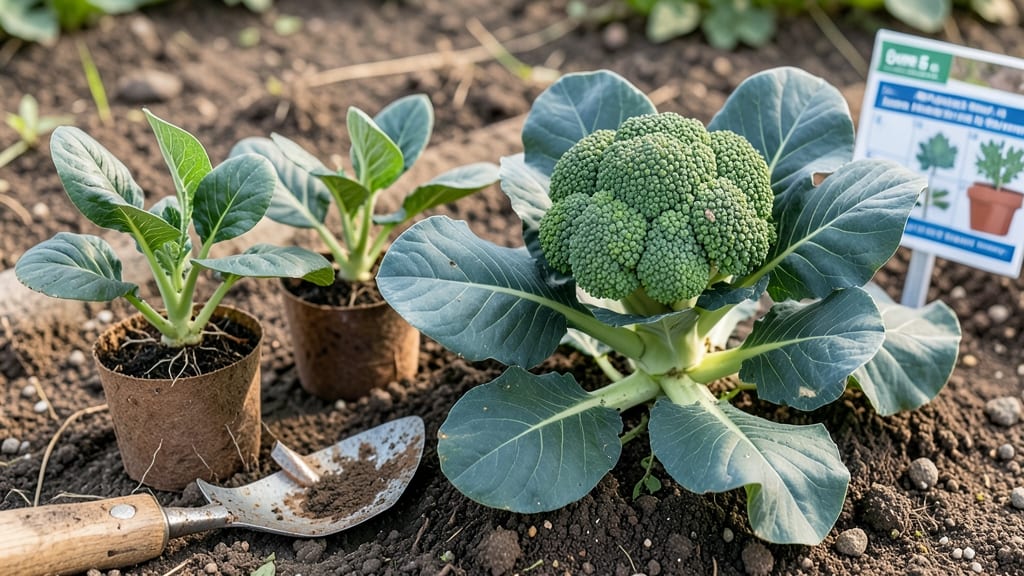
Timing your 🥦 broccoli planting in Zone 5 can mean the difference between a bountiful harvest and a sad, wilted disappointment. One wrong move—planting too early and risking frost damage or too late and facing summer bolting—and your hard work goes to waste.
If you’ve ever wondered why some gardeners get perfect heads while others struggle, the answer lies in understanding your local frost dates and soil temperatures.
Zone 5’s short growing season demands precision, but with the right strategy, you can enjoy fresh broccoli twice a year—once in late spring and again in fall.
I’ll break down the exact months to plant for maximum success, including how to adjust for your specific microclimate. Whether you’re a first-time gardener or a seasoned green thumb, these tips will help you avoid common pitfalls and grow broccoli like a pro.
Ready to master the art of broccoli planting? Let’s dive into the ideal windows and pro tips to keep your plants thriving from seed to harvest.
Best planting months for broccoli in Zone 5: early spring and late summer timing
Zone 5 gardeners face a tight window for broccoli success—just 4-6 weeks before the last frost or 90-120 days before the first frost. These two planting seasons (spring and fall) are your best bets to avoid frost damage and summer bolting.
Let’s break down the exact months and what your soil needs to cooperate.
For spring planting, aim for late March to mid-April in most of Zone 5. This gives seedlings time to establish roots before late spring frosts (which can still hit around April 15 in colder microclimates).
Start seeds indoors 6-8 weeks before your last frost date if you’re using transplants, or direct-sow 2-3 weeks before the frost-free window opens.
Your fall planting window is equally critical: late July to early August. This timing ensures broccoli matures by October 10–November 1, before hard frosts arrive. Fall crops often outperform spring plantings in Zone 5 because cooler temps reduce pest pressure and bolting risks.
Here’s the Zone 5 frost timeline you must know:
- Last frost date: March 15–April 15 (varies by location)
- First frost date: October 10–November 1
- Frost-free days: ~165 days total
Plant too early, and you’ll lose seedlings to 28°F+ frosts; too late, and summer heat will send your broccoli racing to bolt before harvest.
| Planting Window | Ideal Months | Soil Temp Threshold | Key Risks |
|---|---|---|---|
| Early Spring | Late March–Mid-April | 40–50°F (4–10°C) | Late frosts, slow germination |
| Late Summer | Late July–Early August | 50–60°F (10–15°C) | Summer bolting, heat stress |
| Succession Planting | Every 2–3 weeks (May–July) | 50°F+ (10°C+) | Pest pressure, uneven maturity |
🌱 Pro Tip: Test soil temp with a soil thermometer—broccoli roots struggle below 40°F (4°C).
Microclimates in Zone 5 can shift your planting dates by 2–3 weeks. If you’re in a northern pocket (e.g., Zone 5a), delay spring planting until mid-April and start fall crops by late July.
Southern Zone 5 (5b) areas can push spring to early April and extend fall to early August. Observe your garden’s sun exposure and wind patterns—south-facing beds warm faster and are safer for early plantings.
Soil preparation is non-negotiable in Zone 5. Broccoli thrives in well-draining, slightly acidic soil (pH 6.0–7.0). Work in 2–3 inches of compost before planting and mulch with straw or leaves to retain moisture and suppress weeds. Avoid fresh manure—it can burn tender seedlings and attract pests.
For direct sowing, scatter seeds ½ inch deep and 1 inch apart, thinning to 12–18 inches between plants. If using transplants, harden them off for 7–10 days before moving outdoors. Transplants give you a 2-week head start over seeds, which is critical in Zone 5’s short season.
Watch for cabbage worms and fleabeetles—both love young broccoli. Use row covers for the first 3–4 weeks to protect seedlings. In fall, aphids may appear; blast them off with a hose or use neem oil as a preventative. Healthy plants resist pests better than stressed ones.
Your first harvest should arrive in late May to early June for spring plantings or September to October for fall crops. Time it right, and you’ll enjoy homegrown broccoli just as winter sets in—no store-bought substitute compares! 🥦
Best planting months for broccoli in Zone 5: early spring and late summer timing
In Zone 5, broccoli thrives in two distinct planting windows: early spring and late summer. The key is avoiding frost damage and summer bolting. For spring, aim to plant 4–6 weeks before your last frost date (typically mid-March to mid-April).
Fall plantings should go in late July to early August to mature before frost hits in October or November.
Zone 5’s average last frost date ranges from March 15 to April 15, while the first frost arrives between October 10 and November 1. These dates create a 165-day frost-free window, perfect for broccoli’s 50–80-day maturity range.
Adjust timing based on your specific location—northern Zone 5 areas (like Minneapolis) may need earlier plantings, while southern areas (like Kansas City) can push dates slightly later.
Soil temperature is critical: broccoli seeds need at least 45°F (7°C) to germinate, while seedlings tolerate down to 25°F (-4°C) once established. Use a soil thermometer to confirm readiness—waiting for stable temperatures prevents stunted growth.
| Planting Window | Key Considerations | Action Steps |
|---|---|---|
| Early Spring (March–April) | Soil temp ≥45°F, avoid late frosts | Start seeds indoors 6–8 weeks before last frost; transplant after soil warms |
| Late Summer (July–August) | 90–120 days before first frost | Direct-sow seeds or transplant seedlings; prioritize heat-tolerant varieties |
| Microclimates | South-facing beds warm faster | Plant near walls/fences to extend season; use row covers for early/late plantings |
For succession planting, sow new seeds every 2–3 weeks during spring’s ideal window (March–April) to stagger harvests. In fall, focus on one main planting in early August, choosing fast-maturing varieties (like ‘De Cicco’) to ensure heads form before cold sets in.
Always space plants 18–24 inches apart to allow airflow and reduce disease risk.
Pro tip: Test your soil’s pH before planting—broccoli prefers 6.0–7.0. Amend with compost or lime if needed, and mulch with straw to retain moisture and regulate soil temperature. These small steps make the difference between a bountiful harvest and a disappointing yield.
Remember, fall plantings often outperform spring in Zone 5 due to cooler temps and fewer pests. With the right timing, you’ll enjoy fresh broccoli from late spring through fall—no sad, wilted dreams here! 🥦